
Table of Contents
- 🇦🇪 Introduction — Welcome to my UAE road trip
- 🏔️ Ras Al Khaimah — Mountains, beaches and classic cars
- 🌊 Umm Al-Quwain — Laid-back beaches and birdwatching
- 🏛️ Sharjah — Culture, green spaces and a three-day weekend
- 🏝️ Khorfakkan (Sharjah’s east coast) — Beaches, history and mountain views
- ⛰️ Fujairah — East coast beaches and historical forts
- 🏖️ Ajman — Small but welcoming with local life on display
- 🌆 Dubai — Glitz, entertainment and endless activities
- 🏙️ Abu Dhabi — Grand landmarks, quiet promenades and vast deserts
- 🎁 Government benefits for Emiratis — What locals told me
- 🚗 Practical tips & travel notes — Driving, costs and taxes
- 📸 Photo moments — Where I grabbed my favourite shots
- ✅ Final thoughts — Is the UAE worth visiting in 2025?
- ❓ FAQ
- 🙌 Thanks for reading — Where will you go first?
🇦🇪 Introduction — Welcome to my UAE road trip
Hi — I’m JA . I spent two weeks driving, cruising and exploring every single emirate of the United Arab Emirates, from Ras Al Khaimah in the north to Fujairah on the east coast and Abu Dhabi out west. This guide blends practical tips, must-see sights and the little moments that made the trip special: warm hospitality, vibrant car culture and unexpected green pockets in the desert.
If you’re planning a trip to the UAE or just curious, this piece will walk you through what I saw, who I met (Farooq, Abdullah, and more), and why each emirate is worth visiting.
🏔️ Ras Al Khaimah — Mountains, beaches and classic cars
Ras Al Khaimah sits at the northern tip of the UAE and surprised me with a variety of landscapes: Hajar Mountains, sand dunes and roughly 64 km of coastline. The emirate’s population is around 345,000 and the city feels like a blend of Old Town and New Town split by a creek.
Highlights:
- Al Qawasim Corniche: a 3 km waterfront promenade—perfect for renting a bicycle or scooter and admiring the mangroves.
- Ras Al Khaimah National Museum: once a fort (built 1819), later a palace and even a police station—now home to historical artifacts.
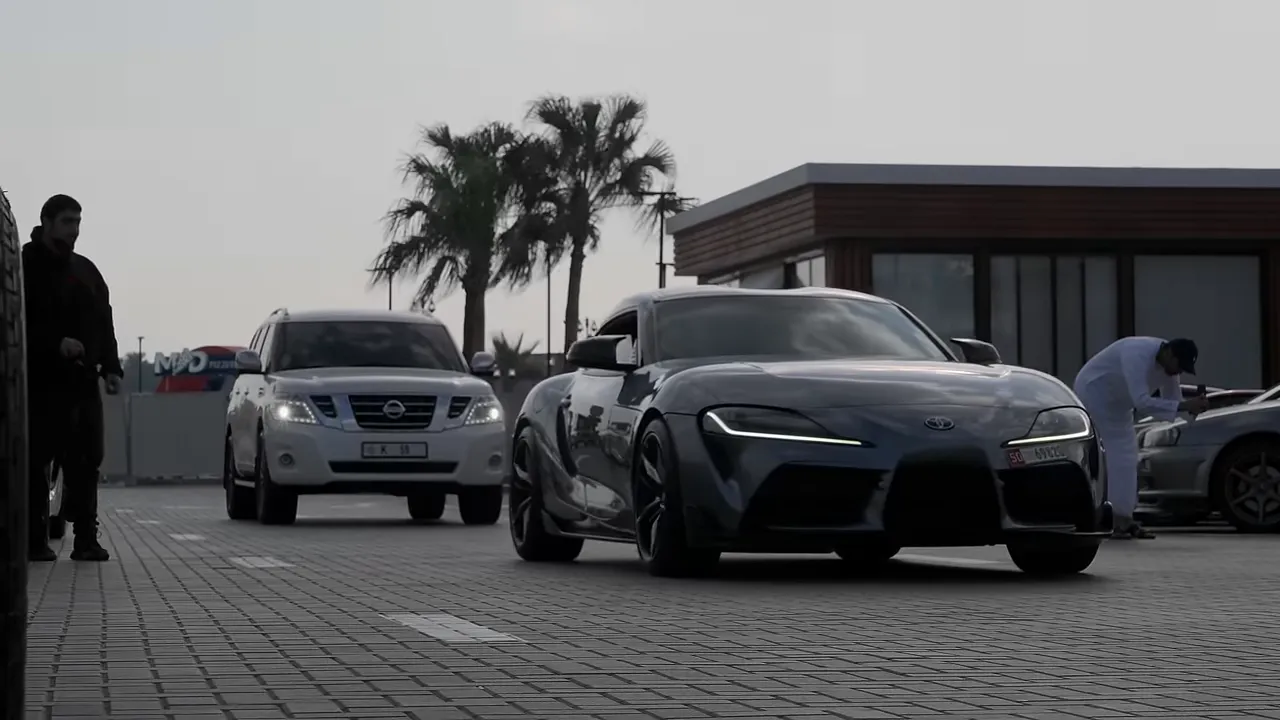
- Jebel Jais: the UAE’s highest peak at 1,934 m. I joined Mohammed and a group of car enthusiasts for a rally up to the mountain—Ferraris, classics and picnic stops included.
- Mina Al Arab & Al Marjan Island: waterfront million-dollar villas and resorts—great for luxury stays.
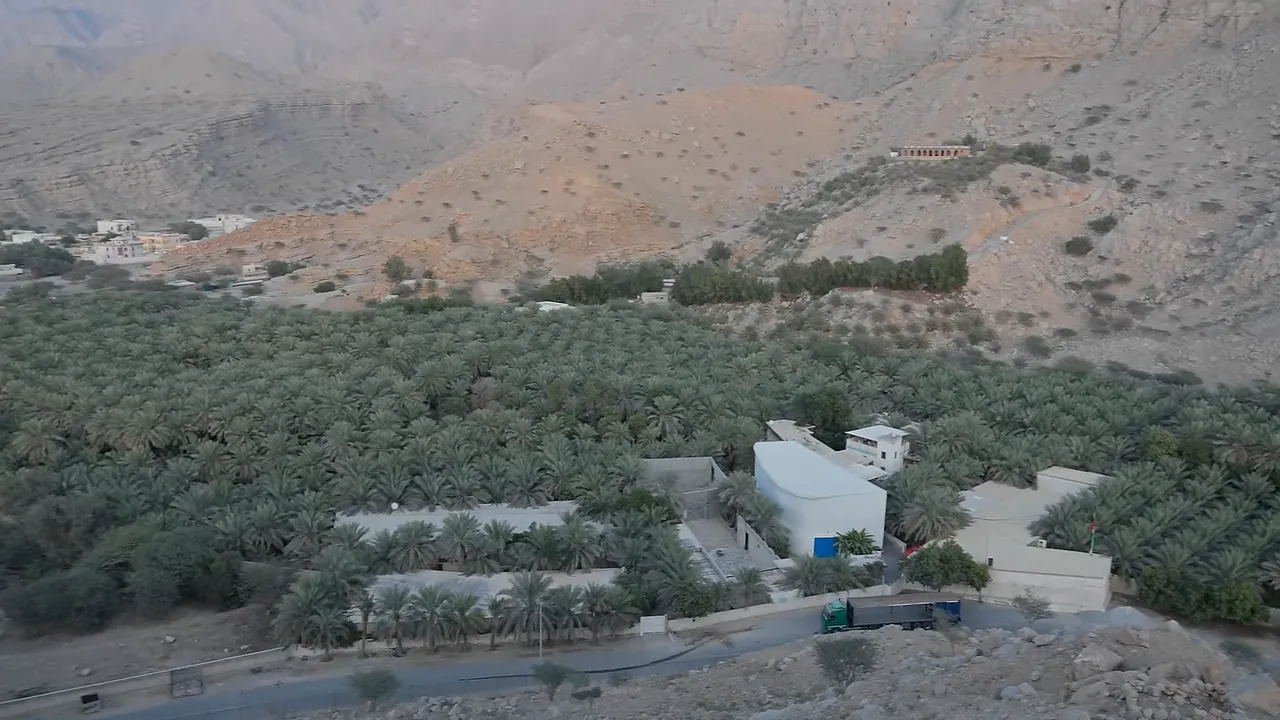
Tip: Ras Al Khaimah has fertile pockets thanks to runoff from the Hajar Mountains—expect greener scenery than many visitors associate with the UAE.
🌊 Umm Al-Quwain — Laid-back beaches and birdwatching
Umm Al-Quwain is the UAE’s second smallest and least populated emirate, known for serenity, fishing and low-key beaches. It hasn’t found much oil, so tourism and fishing are the mainstays.
What to do:
- Umm Al-Quwain Fort: historical seat of power and later a museum with local artifacts.
- Kite Beach Center: pet-friendly with Zanzibar vibes—even pet showers and grooming.
- Flamingo trips: mangrove tours to watch flamingos in shallow waters—an intimate birdwatching experience.
- Fresh seafood: local fish restaurants offer great value compared with Dubai.
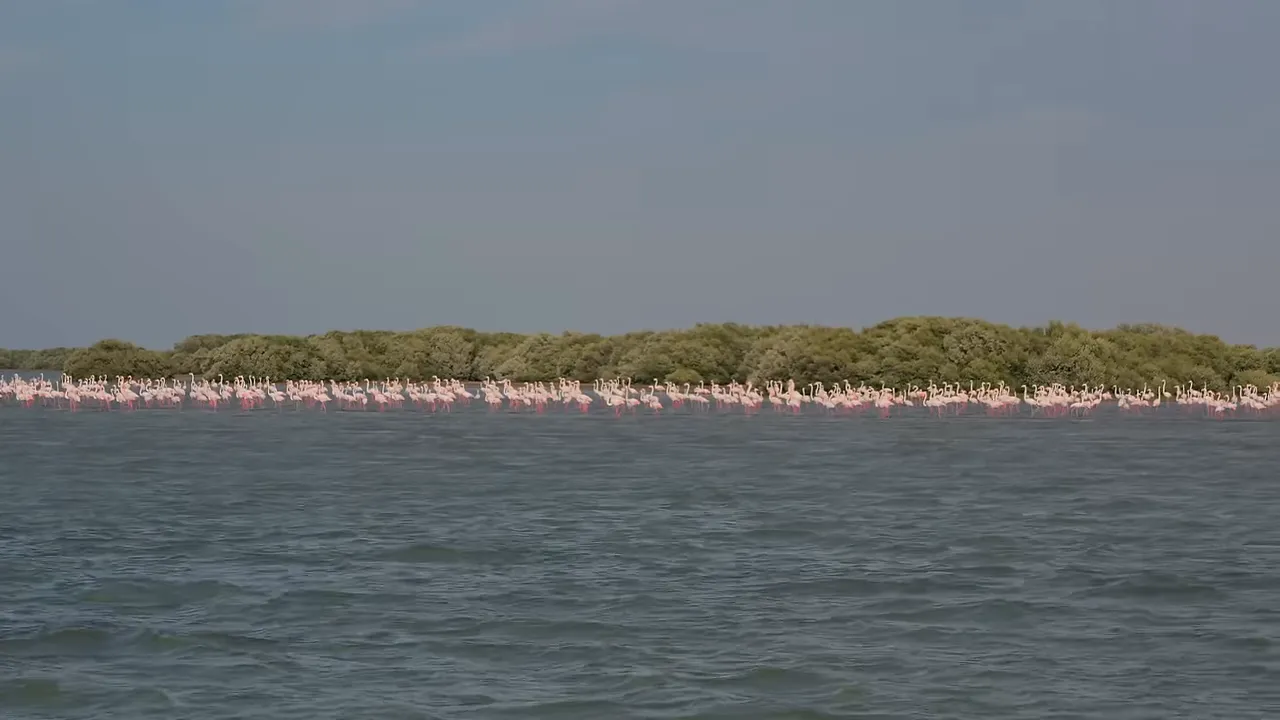
Vibe: If you want calm beaches, inexpensive stays and authentic local dining, Umm Al-Quwain is a superb choice.
🏛️ Sharjah — Culture, green spaces and a three-day weekend
Sharjah often feels like the UAE’s cultural heart. It’s the third-largest emirate, home to around 1.8 million people, and was named the Islamic Culture Capital in 2014. It also made headlines when the public sector shifted to a four-day workweek (three-day weekend) — a major regional first.
- Al Noor Island: a family-friendly oasis and butterfly house—floating tropical vibes right in the city.
- Al Noor Mosque: Turkish-Ottoman influence inspired by Sultan Ahmed Mosque—open to visitors for photography.
- Sharjah Museum of Islamic Civilization: artifacts and displays on science, astronomy and craftsmanship in Islamic history.
- Rain Room: an interactive art installation—walk through the rain and stay dry thanks to sensors.
- Al Qasba & Al Majaz Waterfront: dining, fountains, parks and evening life.
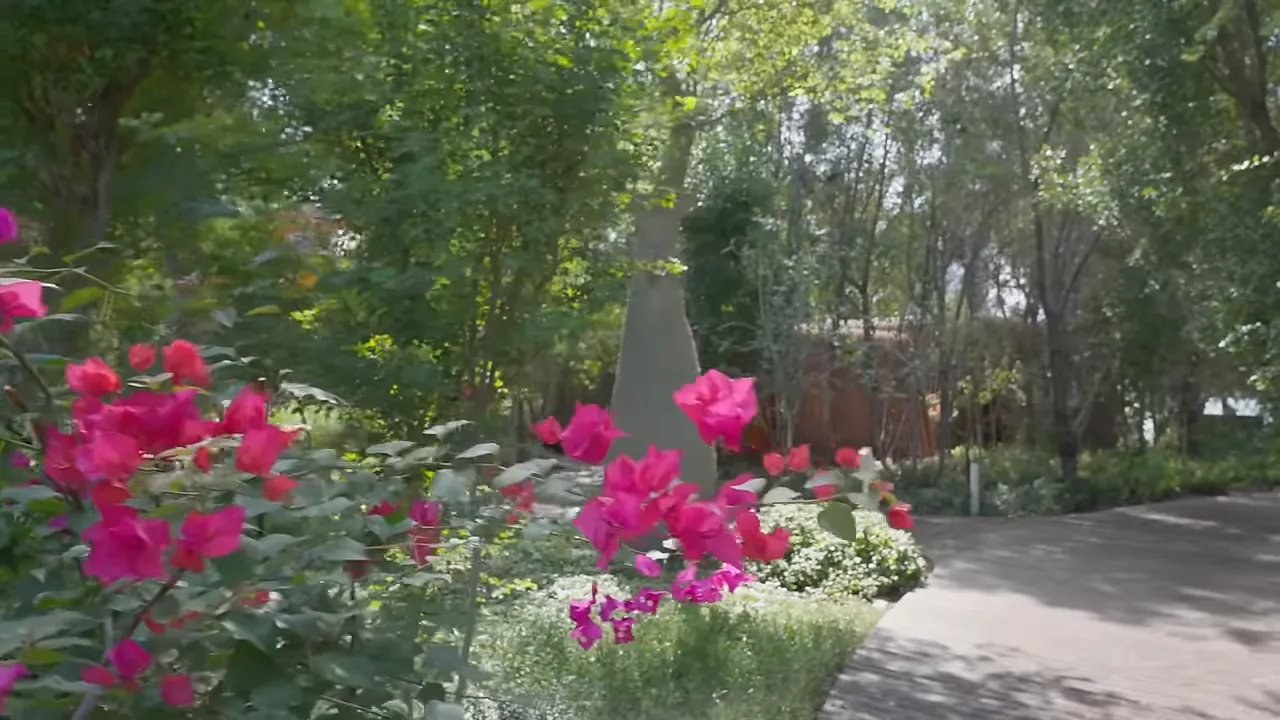
Eastern enclaves: Sharjah also controls three enclaves on the Gulf of Oman—Khorfakkan (Karfakkan) is a coastal gem with a crescent beach and a striking amphitheatre carved into rock.
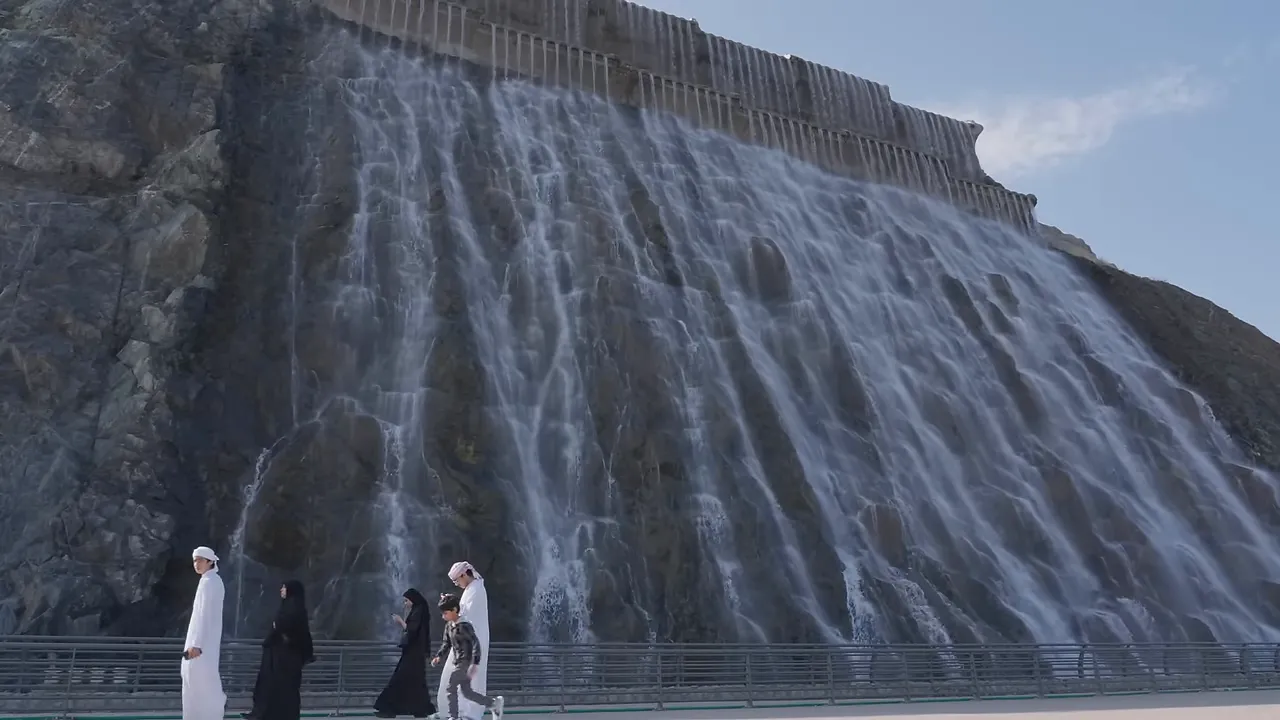
🏝️ Khorfakkan (Sharjah’s east coast) — Beaches, history and mountain views
Khorfakkan is part of Sharjah but worth its own mention: a container port, beautiful beach, and Portuguese-era ruins. Hajar Mountain backdrops make water activities—diving, kayaking and parasailing—stand out here.
- Heritage Village: restored traditional houses that show 17th-century living spaces.
- Al Rabi Tower & Al Sahab Rest House: hiking routes and viewpoints up to ~580 m above sea level.
- Birds of prey centre: falcon and owl shows that fly close overhead (I almost dropped my phone during a demo!).
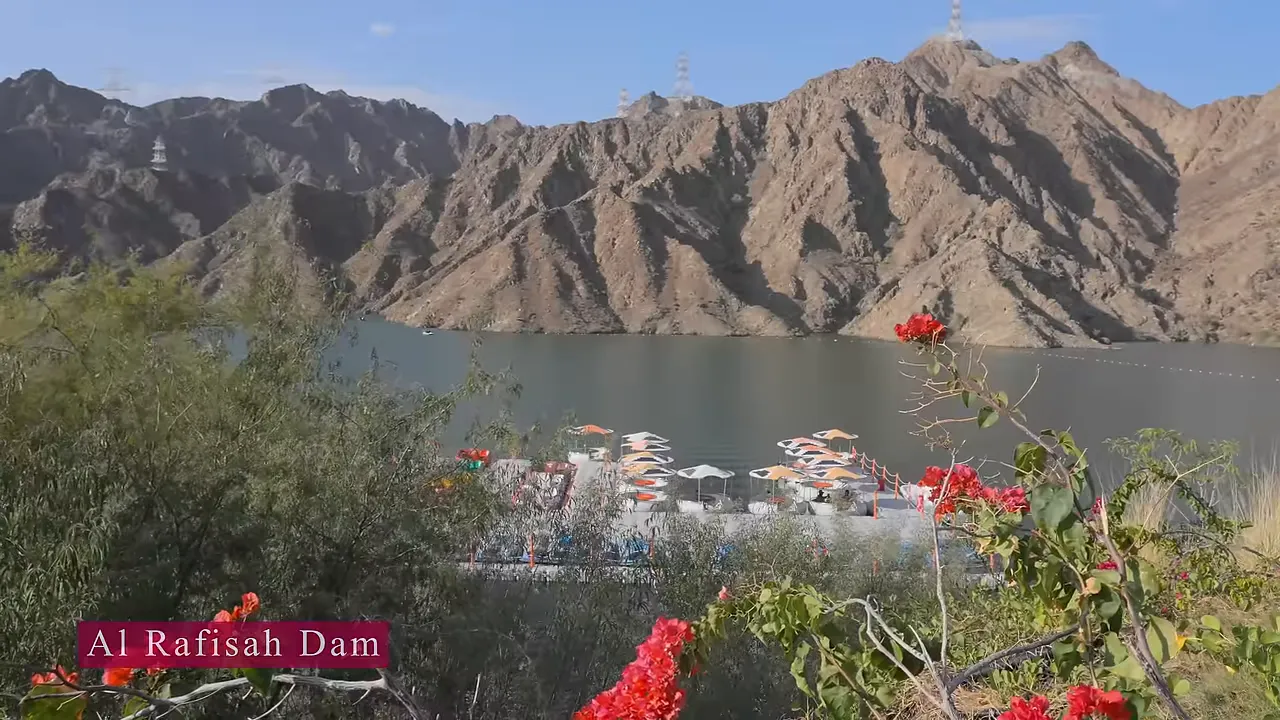
⛰️ Fujairah — East coast beaches and historical forts
Fujairah is the only emirate located entirely on the Gulf of Oman. Rugged mountains, clear water and a more moderate climate make it a great counterpoint to Dubai’s desert heat.
- Al Badiyah Mosque: a tiny but ancient mosque (claimed oldest in the UAE, dating to 1424).
- Fujairah Fort & Museum: a 17th-century fort and a museum with Bronze Age finds and traditional artifacts.
- Beaches & resorts: I stayed at Al Bahar Hotel & Resort (waterfront, good value) and grabbed tasty street falafel at Eva Cafeteria.
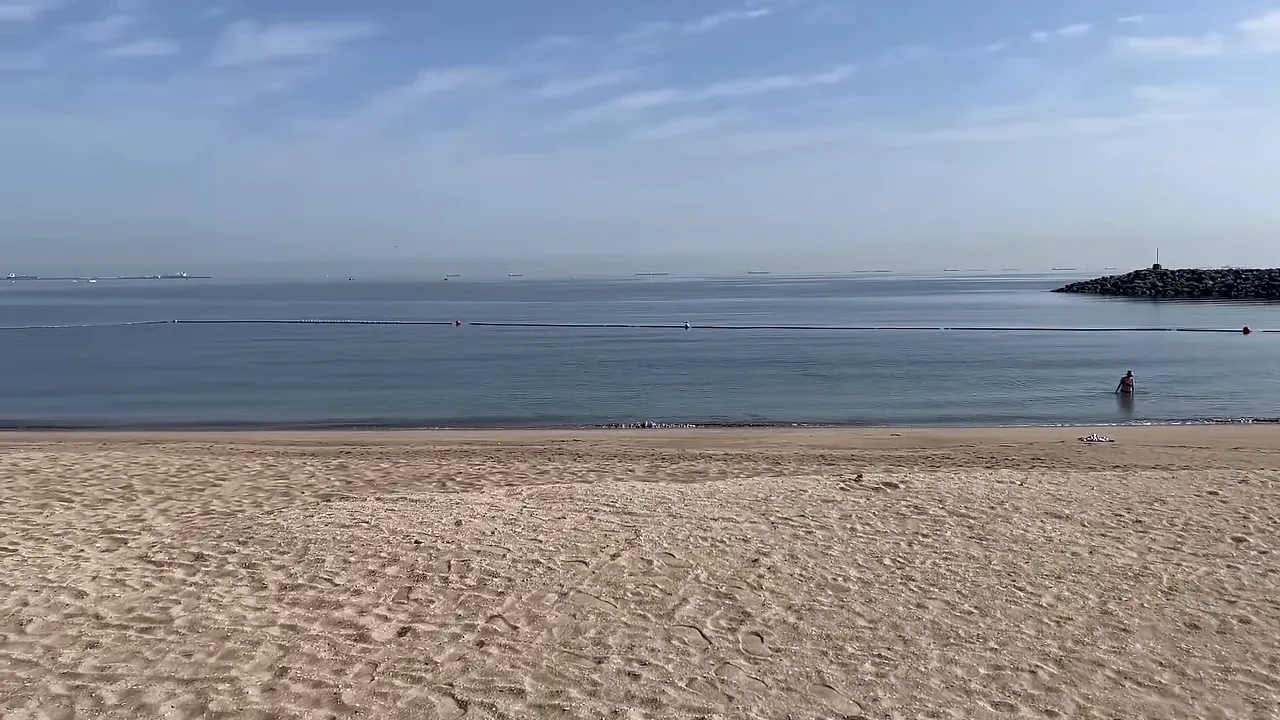
Tip: Fujairah’s coastline is excellent for snorkelling and divers looking for a quieter experience than Dubai’s busy beaches.
🏖️ Ajman — Small but welcoming with local life on display
Ajman is the smallest emirate by area (about 259 km²) but home to around half a million people. Ajman combines relaxed beaches with fast-developing waterfronts and a friendly local scene.
- Ajman Fort Museum: 18th-century fort turned museum; the old market recreation is informative.
- Kurnish: a popular evening prom for families—coffee shops, fast-food and sunset crowds.
- Al Zorah Natural Reserve: mangroves and birdlife for a relaxing nature escape.
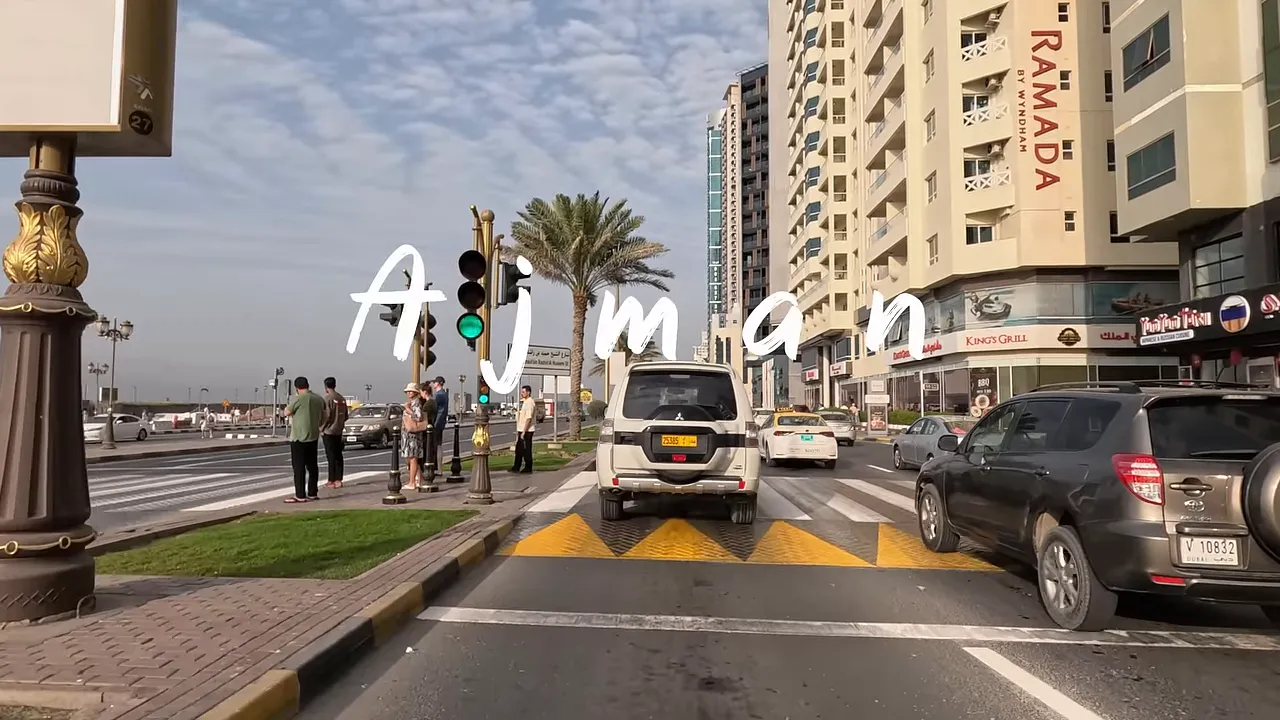
Note: Many people live in Ajman and commute to Dubai for work because rents are more affordable.
🌆 Dubai — Glitz, entertainment and endless activities
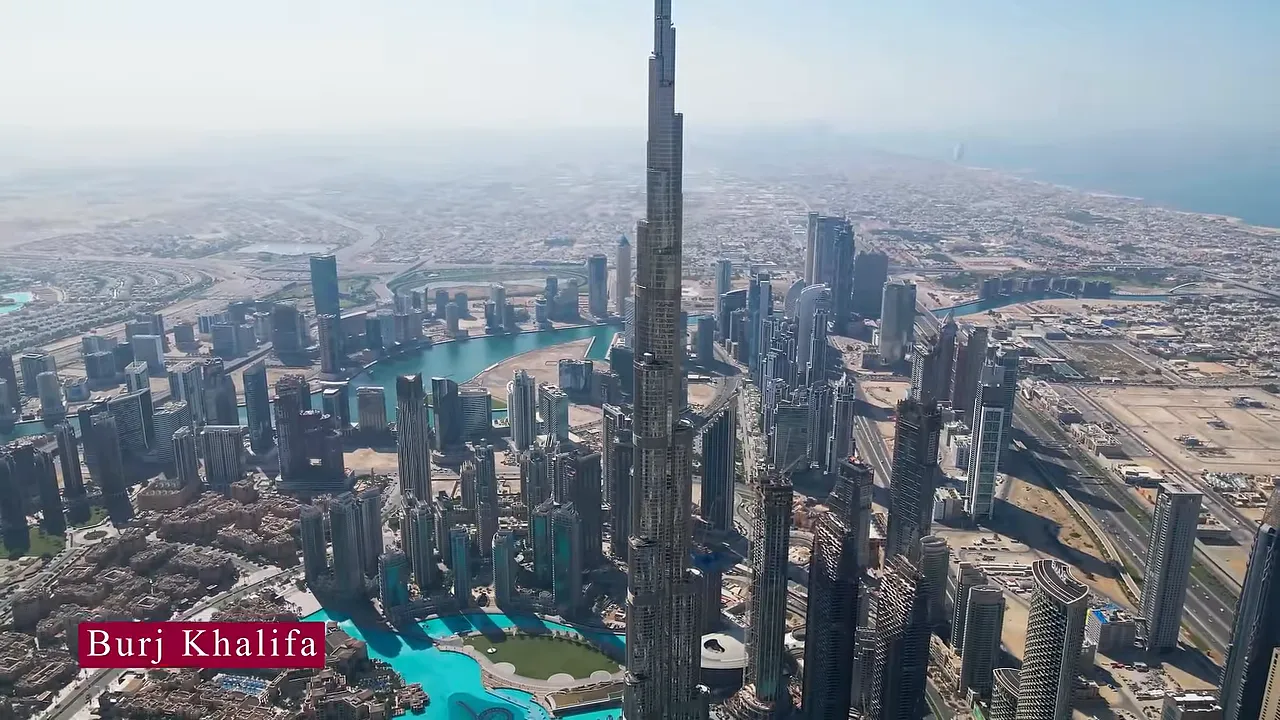
Dubai is the country’s most populous city (about 3.5 million people) and the poster child for futuristic development. Once a pearling and fishing hub, Dubai reinvested oil revenues into tourism, real estate and finance.
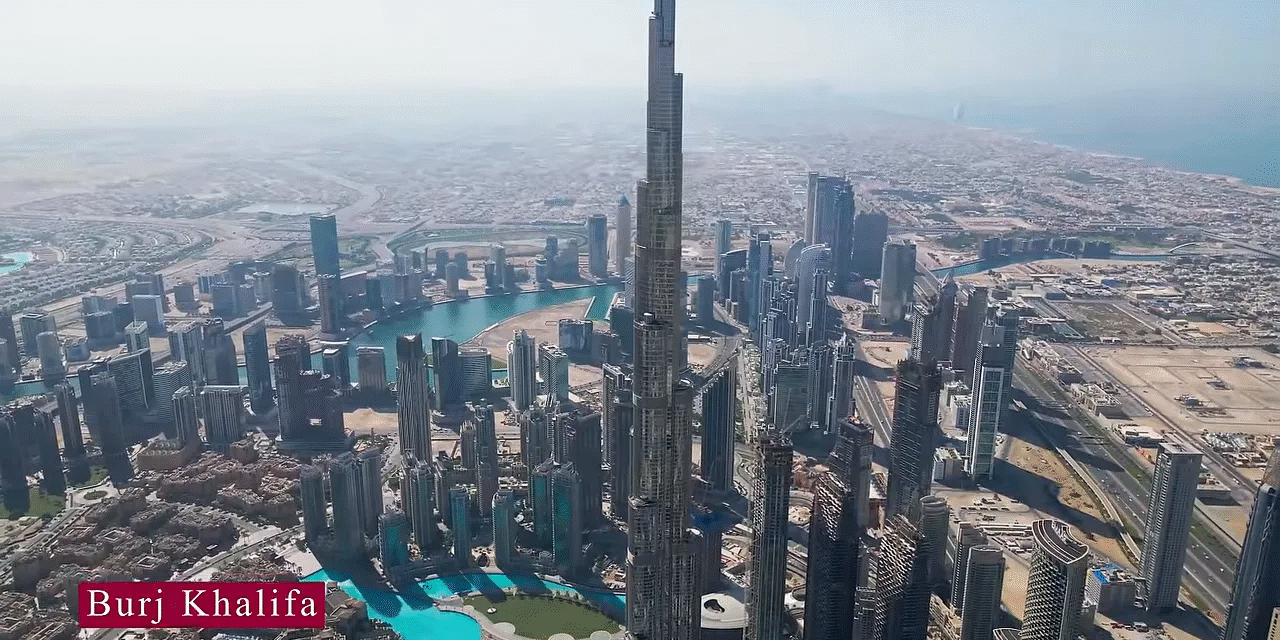
- Districts to know: Dubai Marina (waterfront living), Downtown (Burj Khalifa & Dubai Mall), Palm Jumeirah (luxury island) and Bur Dubai (historic souks).
- Top experiences: helicopter rides, edge walks on skyscrapers, skydiving, desert dune bashing, Miracle Garden and Butterfly Garden.
- Transport: Metro has 53 stations, is fully automated and is a convenient way to skip traffic; otherwise, driving is common.
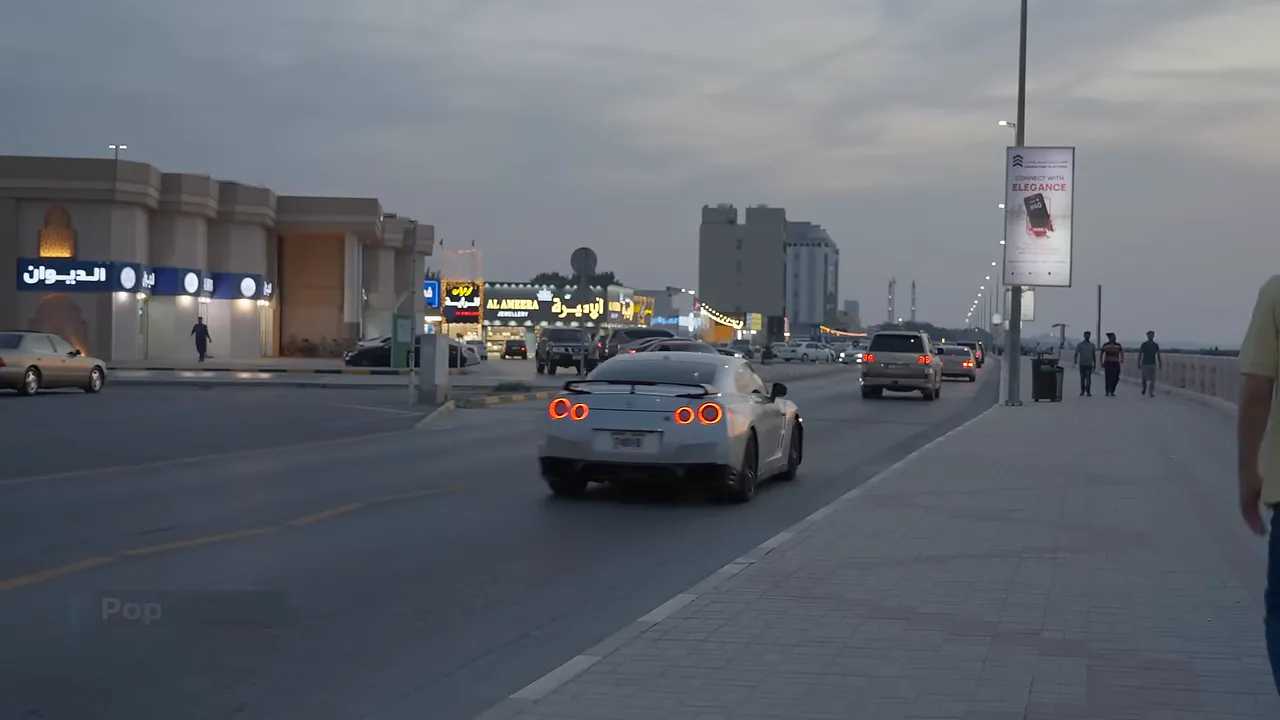
- Car culture: Massive car shows such as the Grand Picnic (1000+ cars) and café hubs like Flat 12 where car lovers gather.
Local eats: Some of the best food can be low-key—late-night shawarma joints and tiny spots like Barata Zinjer that stay open 24/7.
🏙️ Abu Dhabi — Grand landmarks, quiet promenades and vast deserts
Abu Dhabi is the largest emirate by area (87% of the UAE’s land), the wealthiest (95% of the country’s oil), and the national capital. The city of Abu Dhabi is more walkable and calmer than Dubai, with an 8 km corniche for walking and cycling.
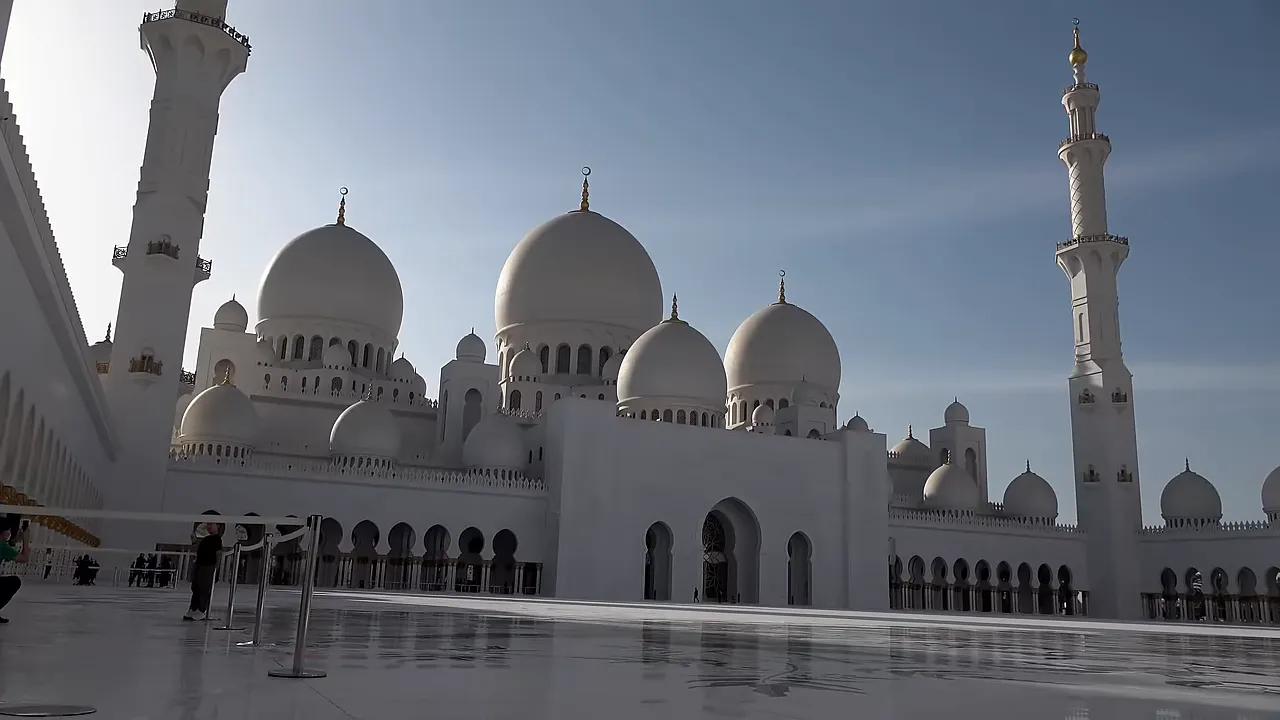
- Sheikh Zayed Grand Mosque: 82 domes, 1,000+ columns, gold-gilded chandeliers and the world’s largest hand-knotted carpet—an architectural masterpiece.
- Louvre Abu Dhabi: on Saadiyat Island, the largest art museum in the Arabian Peninsula.
- Yas Island: theme parks galore—Ferrari World, Yas Waterworld, Warner Bros. and an F1 circuit.
- Offbeat: Emirates National Auto Museum (massive 4×4 collection and the world’s largest drivable Jeep replica) and mangrove parks for kayaking.
- Al Ain: an oasis city with palm groves, Al-Jahili Fort and the former palace of Sheikh Zayed — the Garden City feels surprisingly green.
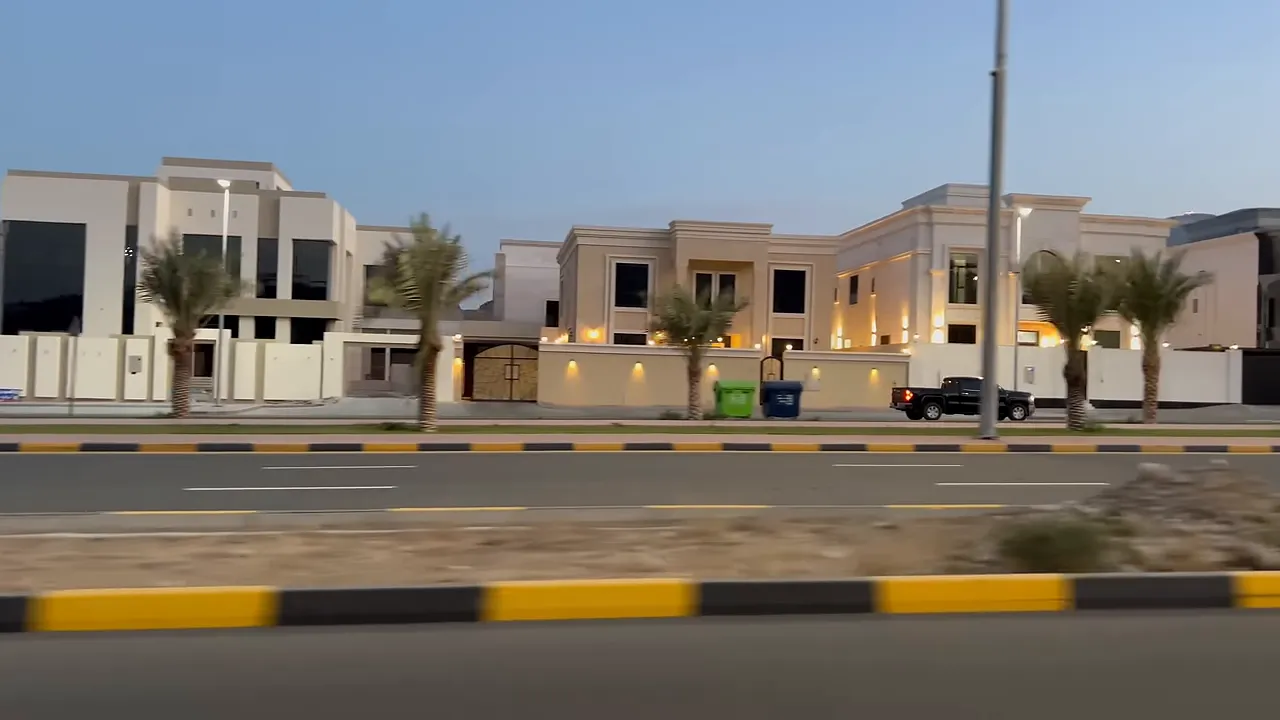
Abdullah (a local media entrepreneur and FPV drone enthusiast) showed me quieter neighbourhoods like Al Qana and Al Reem that feel a bit like Miami or Singapore—family-friendly and relaxed.
🎁 Government benefits for Emiratis — What locals told me
One recurring theme I heard from friends like Abdullah is the extensive support Emiratis receive from state programs. These are policies rooted in the founding vision of Sheikh Zayed: encourage local manpower and ensure social stability.
- Financial assistance during unemployment or debt issues, and channels to request help directly through government offices.
- Housing support: Emiratis may apply for land, ready villas or long-term loans (examples quoted: up to 2 million Dirham in some programs). Age and marital status rules apply—commonly applicants must be 30 or married earlier to access certain perks.
- Marriage assistance: initial grants (reported around 60–70k dirham) and marriage education courses for new couples.
- Programs to support education, employment and skill development across sectors.
These benefits contribute to a broadly comfortable quality of life for Emirati citizens and are often cited by locals as a major positive of the UAE model.
🚗 Practical tips & travel notes — Driving, costs and taxes
My travel method: I rented a car and drove coast to coast. It’s the most flexible way to see the country, but two important cautions:
- Traffic laws and cameras: Cameras are everywhere. Expect fines for speeding, phone use while driving and other infractions—I accumulated around $800 in fines over two weeks, mostly for phone usage while navigating.
- Speed limits: Certain highways feel like you can push the speed, but the enforcement is strict—obey signs and use hands-free navigation.
- Costs & recent changes: The UAE introduced a 5% VAT in 2018 and a 9% corporate tax in 2023 for certain businesses. While still attractive as a business hub, the tax-free image has evolved.

Best seasons: winter months are ideal—comfortable days for desert activities and car meetups, and you’ll avoid the extreme summer heat.
📸 Photo moments — Where I grabbed my favourite shots
- Sunset on Ajman Corniche — families and coffee shops create great candid shots.
- Jebel Jais viewpoints — dramatic mountain roads and car rallies.
- Sheikh Zayed Mosque interior — architectural detail and grandeur.
- Al Noor Island butterflies — colourful macro opportunities.
✅ Final thoughts — Is the UAE worth visiting in 2025?
Absolutely. Each emirate has its own personality: Ras Al Khaimah’s mountains, Umm Al-Quwain’s calm beaches, Sharjah’s culture, Fujairah’s east-coast charm, Ajman’s affordability, Dubai’s spectacle and Abu Dhabi’s grandeur and green pockets like Al Ain.
Expect world-class infrastructure, welcoming local hospitality and a surprising number of offbeat experiences—classic car clubs, organic farms and mangrove kayaking among them. Plan around the seasons, be mindful of driving fines, and allow time to meet locals—you’ll find genuine hospitality if you take the time.
❓ FAQ
How long do I need to see the UAE properly?
Two weeks gives you a solid overview if you’re driving coast to coast; a week can cover Dubai and Abu Dhabi with a day trip or two. To explore every emirate at a relaxed pace, 10–14 days is ideal.
Is driving advisable for tourists?
Yes—rental cars are affordable and give maximum flexibility. Just use hands-free navigation, obey speed limits and be mindful of camera enforcement to avoid fines.
When is the best time to visit?
November to March is the best window—mild temperatures perfect for desert activities, theme parks, and outdoor dining.
Can non-Muslim visitors enter mosques?
Many mosques welcome visitors during designated hours (Sheikh Zayed Mosque and several others allow non-Muslim visitors for guided times). Dress respectfully and check visitor hours in advance.
What’s the food scene like?
Varied and excellent — from cheap local fish markets to top-tier dining. Don’t miss fresh seafood markets, street shawarma joints and regional specialties in each emirate.
Are Emiratis easy to meet?
In larger cities Emiratis are a smaller share of the population, but you’ll find locals in cultural hubs, certain cafés and community events. Joining car clubs or local gatherings is a great way to meet people.
🙌 Thanks for reading — Where will you go first?
If you took anything away from this guide, let it be this: the UAE is more than skyscrapers. It’s a mosaic of small towns, beaches, mountains, cultural centres and surprisingly green oases. If you have questions about planning routes, where to eat or how to join local events, drop a comment or reach out — I’m happy to help plan your trip.
Safe travels and enjoy the adventure — see you on the road!
For supplementary references and placeholders related to this guide, see the Homepage, our Brand story, and a sample page on Industry challenges.
More Exciting Stuff! |
|
Check out this really cool thing |
| Click me |