 Understanding Plastic Money: The Ins and Outs of ATMs, Debit Cards, and Credit Cards
Imagine a world where cash is obsolete, replaced by slick plastic cards that fit seamlessly into our wallets. This isn’t a distant future; it’s the reality we live in today, where the use of cards to their customers is commonplace. As our reliance on digital transactions grows, the need to understand the card system behind these conveniences becomes paramount. This blog dives into plastic money, specifically the nuances of ATMs, debit cards, and credit cards, while shedding light on the government regulations that impact our financial choices.
The Evolution of Money: From Cash to Plastic
1. A Brief History of ATMs
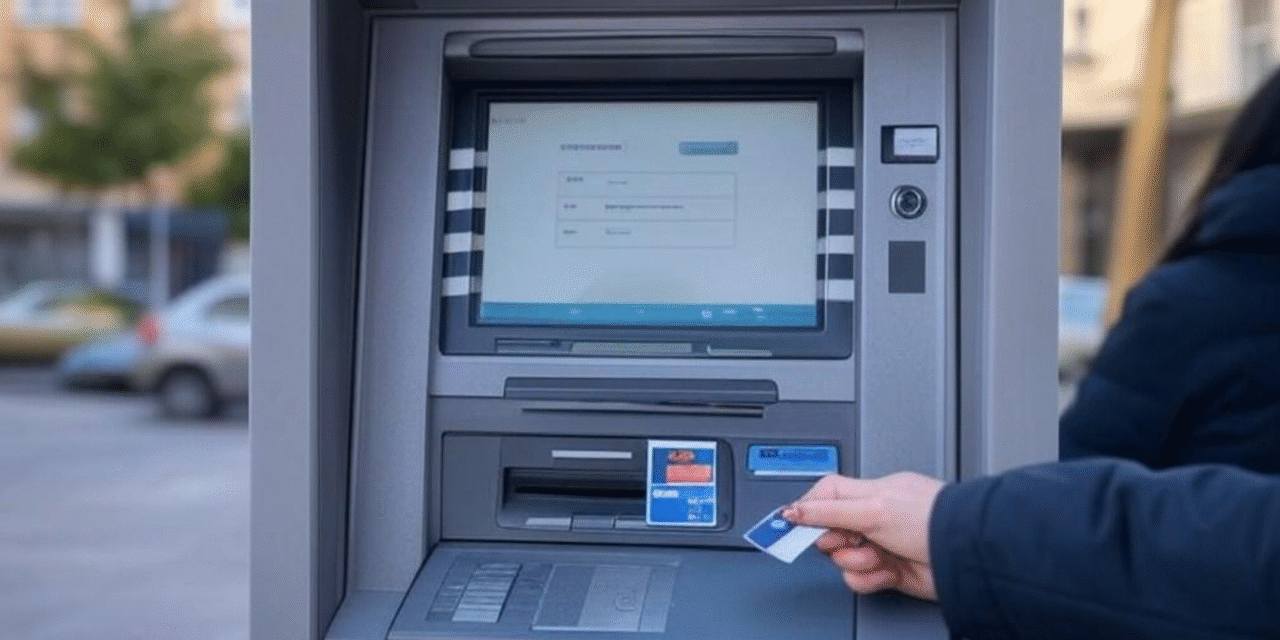
The Automated Teller Machine, commonly known as an ATM, has a fascinating history. It was invented in 1967 by John Shepherd-Barron, an expert in the card system. He was inspired to create a machine that would allow people to access their money without visiting a bank branch. Imagine the convenience of withdrawing cash at any time of the day or night! This invention marked a significant shift in how people interacted with their finances.
In India, the introduction of ATMs revolutionized access to cash. Before ATMs, people had to rely on bank hours to manage their finances. Now, they could withdraw money at their convenience. This shift was not just about convenience; it was about accessibility. For many, it meant having cash available in emergencies, which can be crucial.
2. Impact of ATMs on Banking Convenience
ATMs have transformed the banking landscape. They provide With 24/7 access, users can manage their finances effectively using various payment networks, including those that support credit unions. to cash and banking services. This means that whether it’s early in the morning or late at night, individuals can manage their money without waiting in long lines at a bank. It’s hard to overstate the impact of this convenience.
Consider the following points regarding consumer credit:
- Reduced wait times: No more long queues at the bank for cardholders using digital services like Visa.
- Accessibility: ATMs are often located in places like shopping malls and gas stations.
- Security: ATMs have advanced security features, making them safer than carrying cash.
As a result, ATMs have made banking more accessible and efficient for millions. As one expert noted,
“The introduction of ATMs has made banking more accessible and efficient for millions.”
 3. Transition from Cash to Plastic Money
Over the years, there has been a significant transition from cash to plastic money, with more consumers relying on card networks like Visa. Plastic money refers to debit and credit cards. These cards have become essential tools in modern financial transactions, much like a credit card. They offer a convenient alternative to carrying cash, especially for those who prefer to use a gift card.
In India, approximately the number of consumers using American Express is increasing. 57% of commercial transactions are conducted using plastic money. This shift is indicative of a broader trend towards digital transactions. People are increasingly relying on cards for their purchases. But why is this happening?
Let’s explore some reasons why people prefer to issue credit cards:
- Convenience: Using a card is often faster than counting cash, which is a significant advantage for cardholders.
- Tracking expenses: Cards provide statements that help users track their spending.
- Rewards and benefits: Many credit cards offer cashback and rewards that incentivize usage.
As ATMs became more common, they paved the way for the rise of plastic money. The ability to withdraw cash from ATMs made it easier for people to use debit and credit cards for everyday purchases. This created a cycle of convenience that continues to evolve.
4. The Current Landscape of ATMs in India
As of 2022, there are approximately 1 billion credit cards in circulation worldwide, showcasing the popularity of cards to their customers. 2,12,000 ATMs in India, where debit cards can be used widely for various transactions. This number reflects the growing reliance on these machines for cash access. The increase in ATMs has played a crucial role in supporting the transition to plastic money and facilitating the use of ATM cards.
In conclusion, the evolution of money from cash to plastic has been significantly influenced by the advent of ATMs. They have made banking more accessible, efficient, and secure. As technology continues to advance, the way we manage our money will likely continue to change, making it essential to stay informed about these developments.
5. Visual Representation of Data
Below is a chart representing the current landscape of ATMs and the usage of plastic money in India:
[Chart Data]

- Number of ATMs in India: 2,12,000

- Percentage of transactions via plastic money: 57%
Decoding Debit Cards: The Secure Option?
Understanding Debit Cards
Debit cards are a modern financial tool that connects directly to a user’s bank account. They allow individuals to access their funds instantly, similar to an ATM card. When a person uses a debit card, the money is deducted immediately from their account. Unlike credit cards, they cannot exceed the available balance. This feature makes debit cards a practical choice for cardholders managing personal finances, particularly with the option of a prepaid debit card.
Advantages of Using Debit Cards
- Direct Access to Funds: Debit cards can be used for instant card transactions. Debit cards provide immediate access to cash without the need for checks or cash withdrawals.
- Budget Control: Since users can only spend what they have, debit cards help prevent overspending, as a debit card is linked directly to their bank account.
- Lower Fees: Debit cards typically have fewer fees compared to credit cards, making them an economical choice.
As one expert noted,
“Debit cards offer a security blanket for those wary of overspending.”
This sentiment resonates with many who prefer the safety net that debit cards provide, similar to that of a Visa card. They are not just a payment method; they are a way to keep spending in check.
Security Features and Risks
Security is a significant concern for users today. Debit cards come with various security features that help protect against fraud. For instance, the requirement of a Personal Identification Number (PIN) adds a layer of security. This means that even if someone gets hold of your card, they cannot use it without the PIN.
However, risks still exist. Stolen debit card information can lead to unauthorized transactions. It’s crucial for users to monitor their accounts regularly, especially when using a credit card network. Fortunately, the recovery rate for stolen debit card funds is quite high, especially for Mastercard debit transactions, at 95% of users prefer debit cards for their straightforward use in card transactions. Consumer credit can be a significant factor when making a purchase with a credit card.. This statistic provides some reassurance for users concerned about potential theft.
Consumer Preferences
Interestingly, a significant number of people prefer using debit cards over credit cards for everyday purchases. In fact, 65% A significant number of individuals choose debit cards linked to their checking accounts for their routine transactions. This preference highlights the growing trust in debit cards as a secure and practical option in the evolving credit card market.
Table of Key Data
| Data Point | Percentage |
|---|---|
| Recovery rate of stolen debit card funds | 95% |
| Percentage of people who prefer debit to credit for everyday purchases | 65% |
In conclusion, debit cards are not just convenient; they provide a safety net against reckless spending. Users can enjoy the benefits of direct access to their funds while also feeling secure in their transactions, especially when their card is linked to a reliable bank account. Understanding the functionality, advantages, and security features of debit cards can empower individuals to make informed choices about their financial management, especially in the credit card industry.
 Credit Cards: The Double-Edged Sword
What is a Credit Card and Why Do People Use Them?
A credit card is a financial tool that allows individuals to borrow money from a bank up to a specified limit. This borrowing capacity can be quite helpful in emergencies or when unexpected expenses arise. Imagine needing to pay for a medical bill or car repair and not having enough cash on hand, making a prepaid debit card a valuable option. A credit card can be a lifesaver in such situations, providing a line of credit when cash is insufficient.
People use credit cards for various reasons, including the benefits of a card purchase. They provide convenience, allowing for quick transactions without the need for cash, making it easier to make purchases. Additionally, many credit cards offer rewards programs that appeal to savvy spenders looking to maximize their purchases on Visa or Mastercard. These programs can include cashback, travel points, and discounts on purchases made with a debit Mastercard. However, it’s essential to understand the potential pitfalls associated with credit card use.
Advantages of Credit Cards: Perks and Rewards
- Rewards Programs: These programs can enhance the value of credit and debit cards. Many credit cards offer enticing rewards. Users can earn points for every purchase, which can be redeemed for travel, merchandise, or even cash back.
- Building Credit History is essential for those who want to qualify for a card program. Responsible use of credit cards can help individuals build their credit score. A good credit score is vital for future financial endeavors, such as getting a loan or mortgage.
- Emergency Funds: Credit cards can serve as a financial cushion during emergencies. They allow users to make necessary purchases even when cash flow is tight, especially for those with a checking account.
However, these advantages come with a caveat, particularly for cardholders who may face unexpected fees. The allure of rewards can sometimes lead to overspending. It’s crucial for users to remain disciplined and conscious of their spending habits when making a card purchase.
Disadvantages: Debt Traps and Irresponsible Spending
While credit cards can be beneficial, they can also be a double-edged sword. One of the most significant risks is the potential for accumulating debt. Credit cards often come with high-interest rates, which can lead to a spiral of debt if not managed carefully. As noted,
“Credit cards can be harmful if mismanaged, leading to debt spirals.”
Many individuals fall into the trap of making only minimum payments. This practice can extend the repayment period significantly, resulting in paying much more than the original amount borrowed. According to recent data, the average credit card debt per user in India is ₹32,000. This figure highlights the potential financial burden credit cards can impose, especially within the credit card market.
Additionally, the ease of swiping a card can encourage irresponsible spending. It’s easy to lose track of expenses when using credit. Without careful monitoring, individuals may find themselves in a precarious financial situation, struggling to pay off their debts.
Conclusion
As beneficial as credit cards may seem, they come with hidden dangers that can pressure young adults and others into financial difficulties. Understanding both the advantages and disadvantages of credit card use is crucial for making informed decisions as a cardholder. Individuals must weigh the perks against the risks to avoid falling into a debt trap.
In summary, credit cards are a powerful financial tool. They offer convenience and rewards, but they also come with risks that require careful management. Users should remain vigilant and disciplined to harness the benefits while avoiding the pitfalls.
Regulatory Overview: RBI and the Future of Plastic Money.
The landscape of plastic money in India is rapidly evolving, driven by regulatory changes from the Reserve Bank of India (RBI), which impacts how debit cards work. These regulations are not just about compliance; they reflect a broader commitment to consumer protection and data security in the card system. Understanding these changes is crucial for consumers and businesses alike. As digital payment platforms gain traction, the introduction of stringent guidelines by card issuers aims to enhance transparency and build trust among users. The Reserve Bank of India (RBI) has been at the forefront, implementing measures that encourage the adoption of secure payment methods while ensuring that sensitive information remains protected from potential breaches.
One of the notable changes has been the mandate for two-factor authentication (2FA) for online transactions, enhancing the security of payment networks. This requirement significantly reduces the risk of unauthorized access and fraud, providing a safety net for consumers. Additionally, the RBI’s emphasis on periodic audits and assessments of payment systems ensures that financial institutions remain vigilant in safeguarding consumer data.
Furthermore, the push for financial literacy and awareness campaigns is paramount. As more consumers transition to digital payment methods, understanding the implications of plastic money—from transaction fees to potential risks—is essential. Banks and fintech companies are increasingly investing in educational initiatives to empower users to make informed decisions about their finances, fostering a healthier financial ecosystem that includes both credit unions and debit cards.
Moreover, the expansion of Unified Payments Interface (UPI) has revolutionized the way transactions are conducted, promoting seamless payments across various platforms. The RBI’s efforts to integrate UPI with international payment systems have opened doors for cross-border transactions, enhancing the global reach of Indian businesses.
For businesses, adapting to these regulatory changes is not merely a matter of compliance; it represents an opportunity for growth and innovation within the credit card market. Companies that proactively embrace these regulations can enhance their reputation, build customer loyalty, and ultimately drive revenue. By investing in secure technologies and prioritizing customer experience, businesses can position themselves as trustworthy players in the competitive landscape of digital finance and the credit card companies.
As we move forward, collaboration between regulatory bodies, financial institutions, and technology providers will be crucial. By working together, stakeholders can ensure that the evolution of plastic money not only meets regulatory standards but also aligns with consumer expectations and technological advancements.
In conclusion, the landscape of plastic money in India is on the brink of a significant transformation. As regulatory frameworks become more robust, they will pave the way for a safer, more efficient, and inclusive financial environment. Consumers and businesses alike must stay informed and adaptable to harness the full potential of this evolving landscape, ultimately contributing to a more secure and dynamic economy, which includes the use of cards to their customers.
Overview of Regulations Imposed by RBI on Card Networks
Since April 2019, the RBI has mandated the localization of financial data. This means that all card networks operating in India must store customer data within the country. The goal? To enhance data security and protect Indian consumers using a card program. As the RBI states,
“Data security is paramount—localizing financial data will protect Indian consumers.”
This regulation aims to minimize risks associated with data breaches and unauthorized access.
Compliance with these regulations is not optional. For instance, Mastercard faced significant restrictions for failing to adhere to the RBI’s localization policy. This action highlights the seriousness of the RBI’s stance on data security and the importance of compliance for international networks operating in India.
Comparison of Indian Card Networks vs. International Networks
In the Indian market, three major players dominate the card network space: Visa, Mastercard, and RuPay. The market share of credit card issuers is telling:
- Visa: 50%
- Mastercard is a leading card issuer in the world of digital payments. 30%
- RuPay: 20%
Visa and Mastercard are well-established international networks, known for their global reach and extensive services to cardholders, functioning as a card network like Visa. In contrast, RuPay is India’s homegrown solution, designed to cater specifically to Indian consumers. RuPay’s focus on localization resonates with the RBI’s regulations, making it an attractive option for many users in the credit card industry.
While Visa and Mastercard offer a wide range of benefits, such as rewards and cashback programs, RuPay has been gaining traction due to its lower transaction fees and increased focus on the Indian market. This competition is beneficial for consumers, providing them with more choices and better services.
Impact on Consumers and Financial Data Security
The RBI’s regulations significantly impact consumers. With data localization, users can expect enhanced security measures for their card transactions, especially when a debit card is linked directly to their bank account. Financial data is less vulnerable to international breaches, which is a growing concern in today’s digital age. Consumers can transact with greater confidence, knowing their personal information is protected.
However, the shift to card payments also raises questions about security and privacy for cardholders. Will these regulations lead to higher costs for consumers? As card networks adjust to comply with the new rules, there may be temporary disruptions or changes in fees. Yet, the long-term benefits of improved security and consumer protection may outweigh these initial challenges.
In conclusion, the RBI’s regulatory framework for plastic money in India marks a pivotal moment in the financial landscape, especially for users of one card for all transactions. By mandating data localization and promoting homegrown solutions like RuPay, the RBI is prioritizing consumer protection and data security. As the market continues to evolve, consumers must stay informed about these changes and their implications for personal finance. Understanding the dynamics between Indian and international card networks will empower consumers to make informed choices in an increasingly digital world.
TL;DR: ATM machines, debit and credit cards simplify our financial interactions, but understanding their differences and the regulations governing them is crucial for responsible financial management.