


Table of Contents
- 🔍 What is Perplexity AI and how is it different from Google?
- 🚦 Why Perplexity is a source of high-quality, high-conversion traffic
- 🛠 Seven practical hacks to get free traffic from Perplexity and AI answer engines
- 🧭 Keyword research and a Dubai real estate example
- 🧩 How to structure content so AI can cite it easily
- 🔗 Building trust: citations, examples, and credibility signals
- ⚙️ Measurement and next steps
- ✅ Final checklist before publishing
- ❓Frequently Asked Questions
- 🚀 Next steps
🔍 What is Perplexity AI and how is it different from Google?
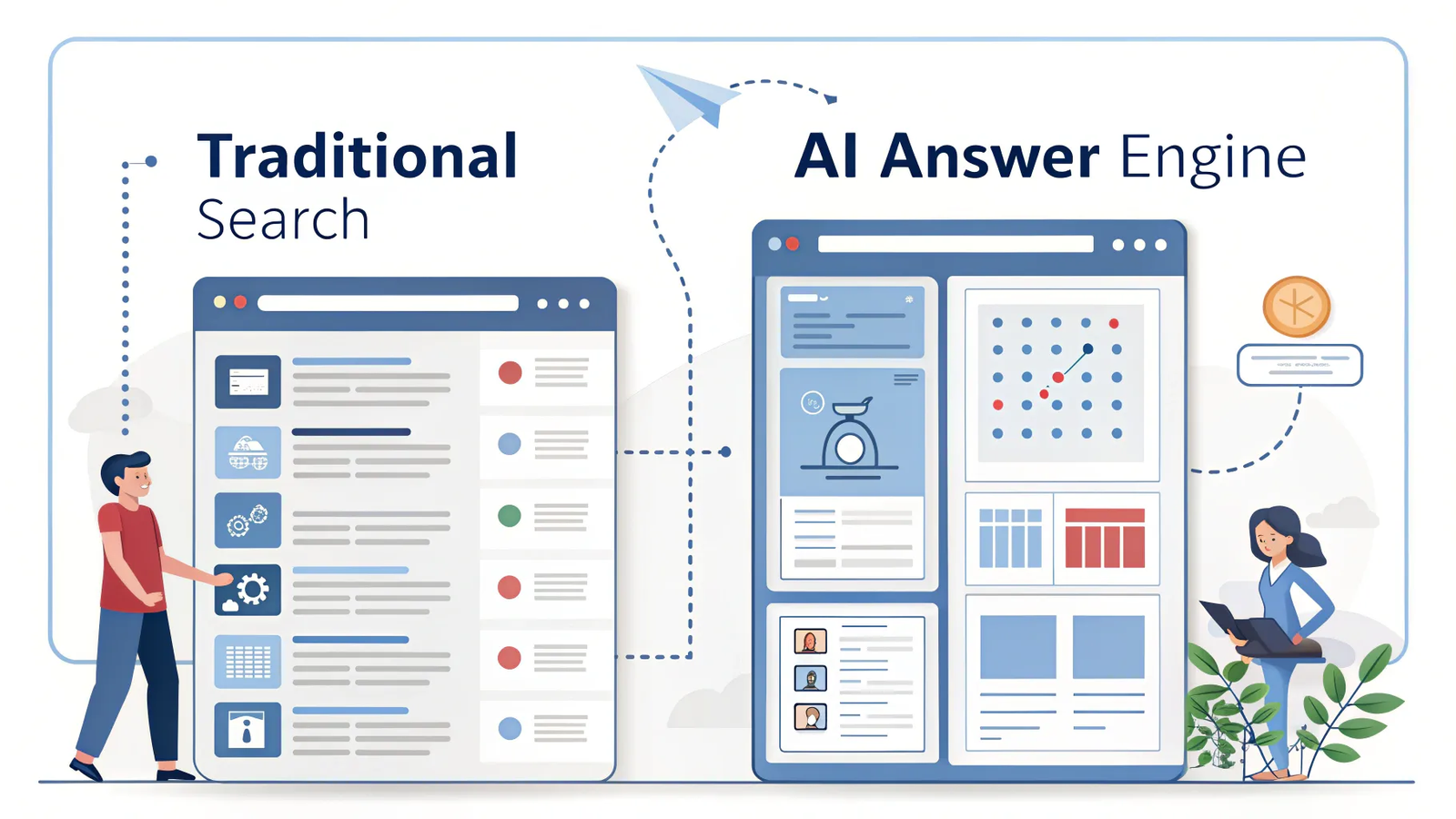
Perplexity and other answer engines mix two things: live web results and pre-trained AI models to give fast, conversational answers. Google Search mainly returns indexed web pages and ranks them. Perplexity, on the other hand, often synthesizes multiple sources into a single conversational response and cites those sources. Because of this, ranking on Perplexity is not just about keywords and backlinks. It is about being a trustworthy, citation-ready, conversational source that answers real buyer questions.
🚦 Why Perplexity is a source of high-quality, high-conversion traffic
Traffic coming from Perplexity and similar AI answer engines tends to be more qualified. Users ask specific questions with clear intent. If your content answers those exact conversational questions and includes credible citations, Perplexity can use your page as a reference. That means visitors arriving from Perplexity are often closer to conversion than general organic traffic.
🛠 Seven practical hacks to get free traffic from Perplexity and AI answer engines
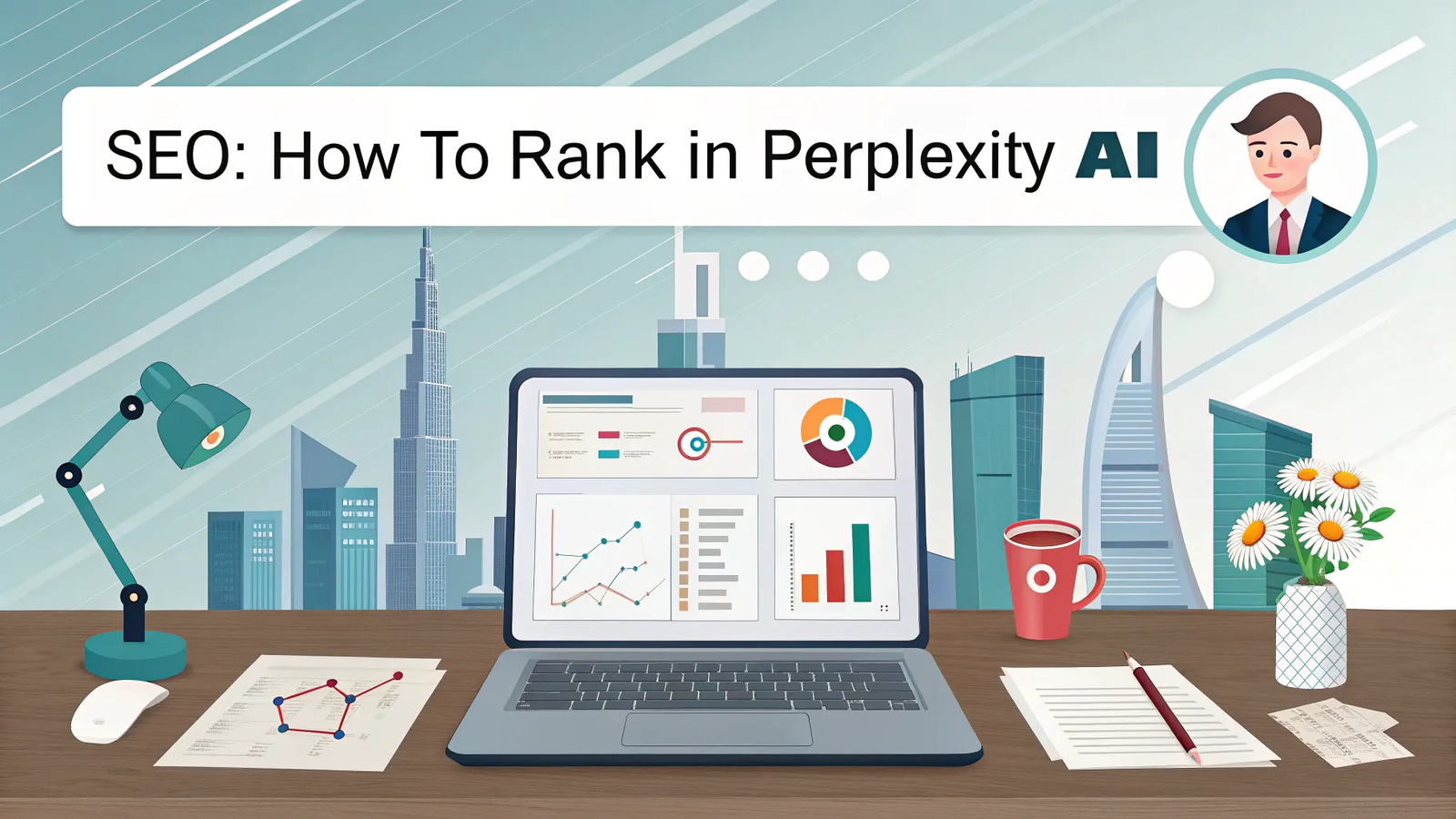
1. Focus on buyer intent and specific conversational queries
Think about the questions actual buyers ask. Instead of targeting broad keywords like real estate agents in Dubai, target specific, intent-rich phrases such as property for sale in Dubai Marina or best places to buy a villa in Dubai under 2 million AED. These are the phrases people with real purchase intent will use.
2. Use keyword tools that reveal real buyer phrasing
Tools like Semrush Keyword Magic and AnswerThePublic show the actual questions and long-tail phrases people search. Run root keywords such as property in Dubai, villa in Dubai or a specific neighborhood like Dubai Marina to get question-based queries (for example: how much is a villa in Dubai Hills?). Pick high-intent, specific keywords with evidence of search volume.
3. Make your content scannable with clear structure
Perplexity prefers content that is easy to reference. Break articles into multiple subheadings and short blocks. Example heading structure for a property article:
- Dubai neighborhood overview
- Average price per villa in Dubai
- Best places to buy in Dubai
- Which property type is best for your budget
- FAQs and practical buying tips
Each heading can be used as a discrete citation by an answer engine.
4. Provide evidence and trusted citations
Whenever you state prices, trends, or legal details, cite authoritative sources: Dubai Land Department, government portals, Statista, or reputable market reports. Perplexity uses those citations when it shows its answer. The more trustworthy your references, the more likely your content will be quoted.
5. Use your own original data where possible
Original content increases trust. You do not need expensive primary research; use your own social media poll results, client data, or internal listings. Even a simple survey or a compilation of recent deals creates unique, citable content that AI tools prefer over generic summaries.
6. Write conversationally
Format headings and content like a conversation. Example heading: Thinking about buying a villa in Dubai? Here are tips to save money and get higher ROI. Use short sentences, direct advice, and step-by-step tips. This matching tone increases the chance the answer engine will pull your text into its conversational replies.
7. Build on-page citations and comprehensive FAQs
Include a robust FAQ section that answers multiple related buyer questions. Real estate pages that perform well often include 10+ FAQs, clear answers, and inline references. This helps answer engines match your page to many different search prompts.
🧭 Keyword research and a Dubai real estate example

Practical steps using tools:
- Open Semrush and go to Keyword Magic. Enter root keywords like property in Dubai or villa in Dubai.
- Filter results for location-specific queries and buyer intent phrases (property for sale, property to rent, price of villa, best places to invest).
- Note search volumes and pick specific, high-intent phrases like property for sale in Dubai Marina. Even moderate volumes with clear intent can convert well.
- Use AnswerThePublic to generate question-based topics. Example outputs: how much is a villa in Dubai Hills, best neighborhoods to invest in Dubai, documents required to buy property in Dubai.
- Create content pieces for the most relevant queries and cluster related questions on the same page.
Example scenario: If your business is Dubai real estate, write a long-form article targeting “best places to invest in Dubai” and include sectioned answers for related micro-queries such as “top 10 places to invest in Dubai”, “best three places to invest in Dubai under 2 million AED”, and neighborhood-specific pages like “Dubai Marina property for sale”.
🧩 How to structure content so AI can cite it easily
Make each section a potential citation unit:
- Use descriptive H2/H3 headings that mirror questions users ask.
- Keep answers short, factual, and linked to sources.
- Include data tables or bullet lists for prices or trends (explained textually if tables are not used).
- Add more than one FAQ addressing variations of the core query.
Example headings that perform well conversationally: Thinking about buying a villa in Dubai? Tips to save money. Why Dubai is good for property investment. Average villa prices in Dubai by neighborhood.
🔗 Building trust: citations, examples, and credibility signals

Perplexity favors pages that look credible. How to build that credibility:
- Always cite official or reputable sources when presenting facts and figures.
- Show your own original data or social proof (client testimonials, recent deals, survey results).
- Use specific, conversational keywords in headings and FAQs so your text matches user prompts.
- Provide multiple supporting references for each major factual claim.
A real-world example: a real estate agency page that used conversation-style headings like “How to buy property in Dubai” alongside 10+ FAQs and explicit citations from government sources ranked well as a Perplexity reference. The page covered transactional intent and had high-quality on-page evidence, which improved both traffic and conversion quality.
⚙️ Measurement and next steps
How to know if your Perplexity optimization is working:
- Track referral traffic spikes from AI platforms if your analytics shows referrers (some may appear as direct or unknown; watch on-site conversions).
- Monitor query-level visibility in tools that surface AI answer usage and track which pages get cited by AI tools.
- Measure lead quality: time on page, form submissions, and conversion rate for pages optimized with conversational questions and strong citations.
- Iterate: add more FAQs, update data, and expand neighborhood-specific pages to capture more intent signals.
✅ Final checklist before publishing
-
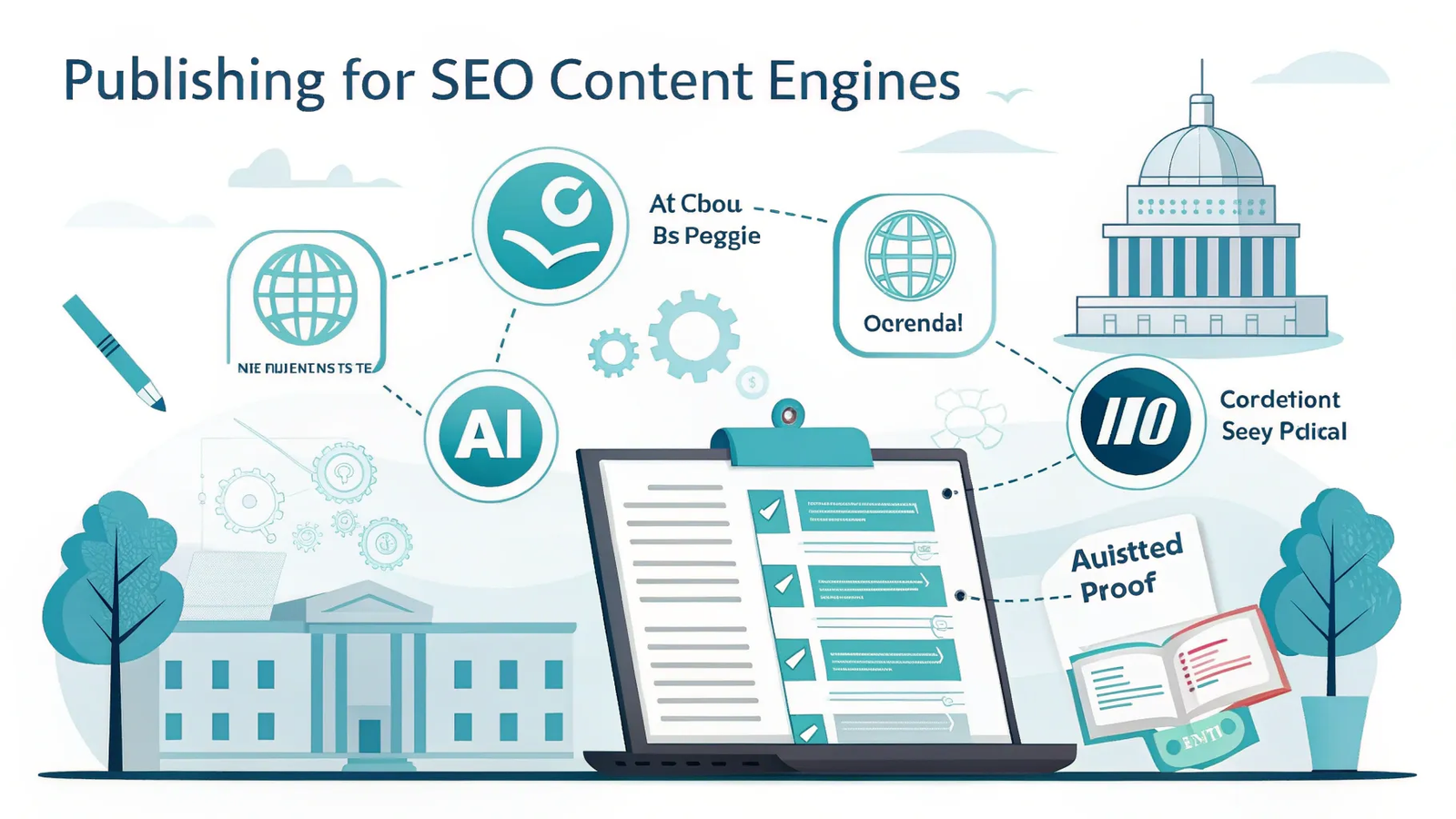
Did you choose buyer-intent, conversational keywords from Semrush and AnswerThePublic? - Is your content broken into many small, titled blocks that each answer a specific question?
- Did you include trusted citations (government portals, Statista, industry reports) for every factual claim?
- Do you have original data or social proof to increase uniqueness?
- Is your tone conversational and headings phrased as real questions a user might ask?
- Did you add a robust FAQ section addressing likely follow-up questions?
❓Frequently Asked Questions
What is Perplexity and why should I optimize for it?
Perplexity is an AI-powered answer engine that blends live web data and pre-trained models to return conversational answers. Optimizing for it matters because it can cite your content directly, sending highly qualified traffic that often converts better than generic search visits.
How is Perplexity different from Google Search?
Google returns ranked web pages based on indexing, links, and many ranking signals. Perplexity synthesizes answers and cites sources in a conversational format. That means content that answers specific questions with credible citations is more likely to be quoted by Perplexity.
What content format does Perplexity prefer?
Short, scannable blocks with clear headings, factual statements supported by trusted citations, and conversational Q&A style content. A robust FAQ section and multiple micro-headings increase the chance of being cited.
Which keyword tools should I use to find buyer intent queries?
Use Semrush Keyword Magic to find search volumes and long-tail phrases, and AnswerThePublic (now part of Neil Patel tools) to discover question-based queries. These tools reveal what buyers actually type.
Do I need original data to rank on Perplexity?
Original data helps but is not mandatory. Even simple original assets like social media survey results, client transaction summaries, or localized examples improve trust and uniqueness. The important part is to be citable and credible.
How do I measure success from AI answer engine traffic?
Track conversion metrics like leads, form submissions, or phone calls originating from the pages you optimized. Monitor time on page and engagement, and use any referral data available. Compare lead quality from these pages against other channels to assess ROI.
🚀 Next steps
Start by mapping high-intent conversational queries for your niche using Semrush and AnswerThePublic. Create long-form pillar pages with many specific subheadings, add authoritative citations, include original local data wherever possible, and publish a rich FAQ. Iterate based on engagement and conversions. Follow this practical approach and you will be set to capture valuable, high-converting traffic from Perplexity and other AI answer engines.