
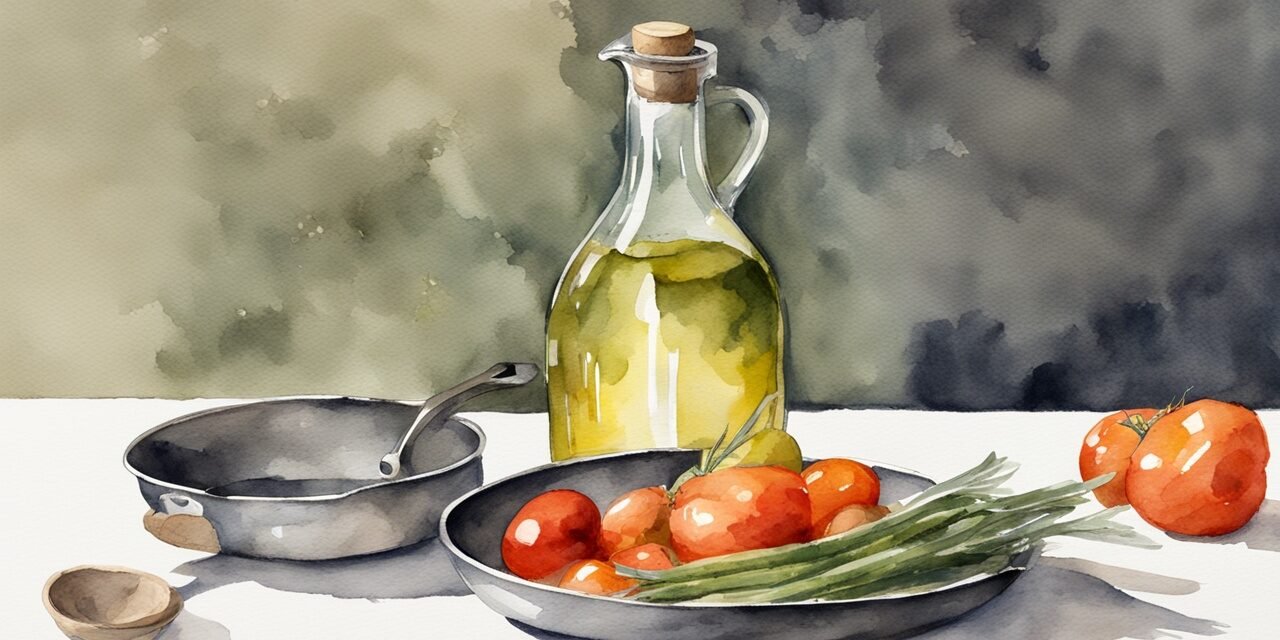
Should I Use Olive Oil for Frying? How to Choose the Right Cooking Oil
Choosing the right cooking oil can significantly impact the taste and nutritional value of your meals. This article explores whether you should use olive oil for frying and helps you understand how to choose the right cooking oil for various cooking methods, ensuring delicious and healthy results.
Understanding Cooking Oils
What is Cooking Oil?
Cooking oil is a fundamental ingredient in countless recipes, serving as a medium for heat transfer and contributing to the flavor and texture of the foods we eat. Essentially, cooking oil is a fat derived from plants, seeds, or nuts, and can include polyunsaturated fats and omega-6 fatty acids. These oils are used for cooking and frying and offer a range of characteristics depending on their source and processing. From vegetable oil to specialized options like olive oil, the selection of cooking oil influences not only the cooking process but also the final dish’s taste and nutritional profile.
Types of Cooking Oils
The world of cooking oils offers numerous choices, each with unique characteristics. Here’s a comparison of some popular options:
| Oil Type | Characteristics |
|---|---|
| Olive Oil (especially EVOO) is a key component of a healthy diet due to its beneficial fats. | Prized for flavor and health benefits. |
| Vegetable Oil | Often a neutral choice for everyday cooking. |
| Regular olive oil | A versatile oil option for cooking and frying. |
Other oils include canola, sunflower, avocado, and peanut, each with its own distinct properties. Understanding the differences between these various oils allows you to choose the right one for your cooking needs.
Health Benefits of Different Oils
The health benefits of different oils vary considerably based on their fatty acids composition, antioxidant content, and presence of trans fats. Olive oil is best known for its monounsaturated fats and antioxidants, particularly extra-virgin olive oil, which is rich in these beneficial compounds. Oils like sunflower or rapeseed oil also offer health benefits due to their specific fatty acid profiles. Choosing the right oil depends on your dietary needs and the specific health benefits you seek, while being mindful of saturated fat content.
Olive Oil: An Overview
Types of Olive Oil
There are many different types of olive oil available, each with its own characteristics and cooking applications. Choosing the right type of oils and fats depends on the cooking methods and desired health benefits. Some key differences are summarized below:
| Olive Oil Type | Characteristics |
|---|---|
| Extra Virgin Olive Oil (EVOO) | Superior flavour and health benefits. |
| Refined Olive Oil / Regular Olive Oil | More neutral oil suitable for high heat cooking. |
Virgin olive oil is rich in antioxidants and is another great oil option.
Health Benefits of Olive Oil
The health benefits of olive oil are well-documented, making it a staple in the Mediterranean diet. Olive oil is best known for its high content of monounsaturated fatty acids, which can help lower bad cholesterol levels. The antioxidant compounds in olive oil, especially extra virgin olive oil, offer protection against cellular damage. Incorporating olive oil into your diet may reduce the risk of heart disease and certain types of cancer. Therefore, the oil you use is important to monitor the saturated fat intake.
Olive Oil Flavor Profiles
Olive oil flavor profiles vary widely depending on the type of olive oil, origin, and processing methods. Extra virgin olive oil typically boasts a robust, fruity flavour with peppery notes, while regular olive oil has a more neutral taste. The olive oil flavor can enhance your culinary creations, making it an excellent choice for salad dressing, drizzle, sautéing, and other cooking applications. Olive oil enhances the foods we eat. The bottle of olive oil you want to buy is important to your cooking methods.
Using Olive Oil for Frying
Can You Use Olive Oil for Frying?
Yes, you can use olive oil for frying, but it’s essential to understand the different types of olive oil and their suitability for this cooking method. Olive oil is best for pan frying and sautéing, where temperatures are more moderate. Especially extra virgin olive oil adds a distinctive flavour to dishes and is part of a healthy diet. While it’s possible to use olive oil for frying, it’s important to be mindful of its smoke point to avoid compromising the oil’s flavour and health benefits. Therefore, you should choose the right oil when you use it for frying.
Smoke Point of Olive Oil
The smoke point is the temperature at which the oil starts to break down and emit smoke, which can negatively affect the flavour and nutritional value of your food. Extra virgin olive oil has a lower smoke point compared to refined olive oil or vegetable oil, which is important for cooking at higher temperatures. When cooking with olive oil, it’s crucial to maintain temperatures below the smoke point to preserve its quality and avoid producing harmful compounds. Be careful of oils with a higher smoke point.
Best Practices for Frying with Olive Oil
To use olive oil for frying effectively, it’s crucial to follow some best practices, ensuring it can withstand higher temperatures. Start by choosing an oil for cooking with a medium smoke point, ensuring it can withstand higher temperatures. Monitor the temperature closely, using a thermometer if necessary, to prevent the oil from overheating. Avoid deep frying with extra virgin olive oil due to its relatively low smoke point. Instead, reserve it for sautéing and light pan frying to preserve its flavour and health benefits. You could use sunflower oil instead if not olive oil.
Comparing Oils for Frying
Olive Oil vs. Vegetable Oil
When considering whether to use olive oil for frying, comparing it to vegetable oil is essential. Olive oil, especially extra virgin olive oil (EVOO), offers distinct flavour and health benefits, thanks to its antioxidant content and fatty acids. However, vegetable oil typically has a higher smoke point, making it more suitable for deep frying. The choice depends on the desired flavour profile and the cooking methods being employed. Understanding the characteristics of each oil ensures the foods we eat are prepared optimally.
Sunflower Oil for Frying: Pros and Cons
Sunflower oil is another popular option for frying due to its neutral flavour and relatively high smoke point. The health benefits of sunflower or rapeseed oil include a good source of vitamin E. However, it contains less antioxidants than olive oil. While sunflower oil is suitable for various cooking applications, those seeking olive oil’s health benefits and unique flavour profiles might prefer olive oil. Ultimately, choosing the right oil depends on balancing taste, nutritional value, and suitability for frying needs.
Deep Frying: Which Oil to Choose?
For deep frying, it’s vital to select an oil for cooking with a higher smoke point to withstand the high temperatures. While you can use olive oil for frying, especially extra virgin olive oil, is not the best option due to its lower smoke point. Vegetable oil or sunflower oil are better choices because they maintain stability at high heat, allowing you to sear effectively., ensuring the foods we eat are cooked evenly and safely. Always consider the smoke point and saturated fat content when choosing an oil for cooking, especially for deep frying at higher temperatures.
Choosing the Right Oil for Cooking
Factors to Consider When Choosing Oil
When choosing an oil for cooking, several factors come into play. Crucially, consider:
- The smoke point
- Flavour profile
- Health benefits
The flavour profile of the oil also matters, as it can significantly impact the taste of the dish. Additionally, consider the health benefits and nutritional content of the oil, such as its fatty acids composition and antioxidant levels. If not olive oil, you could use sesame or sunflower instead.
How to Choose the Right Oil for Your Cooking Needs
To choose the right oils and fats for your cooking methods, start by identifying the intended cooking applications. If you use it for frying, consider oils with a higher smoke point, such as sunflower oil. For salad dressing and drizzle, olive oil is best, especially extra virgin olive oil due to its rich flavour and health benefits. Be mindful of the oil’s flavour profile and how it complements the dish. This ensures you choose the right oil for delicious and healthy meals. The bottle you want to buy is important to your cooking methods.
Impact of Oil on Flavour and Health
The oil you use profoundly impacts both the flavour and health benefits of your meals. Olive oil, especially extra virgin olive oil, impart a distinct flavour while offering antioxidant and fatty acids benefits. On the other hand, vegetable oil provides a more neutral taste but might not offer the same health benefits. Being mindful of the oil’s composition helps in creating balanced, flavour-rich dishes that align with your dietary needs and preferences, while being mindful of saturated fat.