Table of Contents
- 📱 The reach, the scroll, and the attention economy
- 😔 Why we feel lonelier while looking more connected
- 🧠 How platforms hijack your brain
- ❤️🩹 The mental cost of curated applause
- 🎭 The illusion of intimacy and why screen comfort can be deceptive
- 🌿 How to reclaim attention and rebuild real connection
- ❓ Frequently asked questions
- 🧭 Final thought
📱 The reach, the scroll, and the attention economy
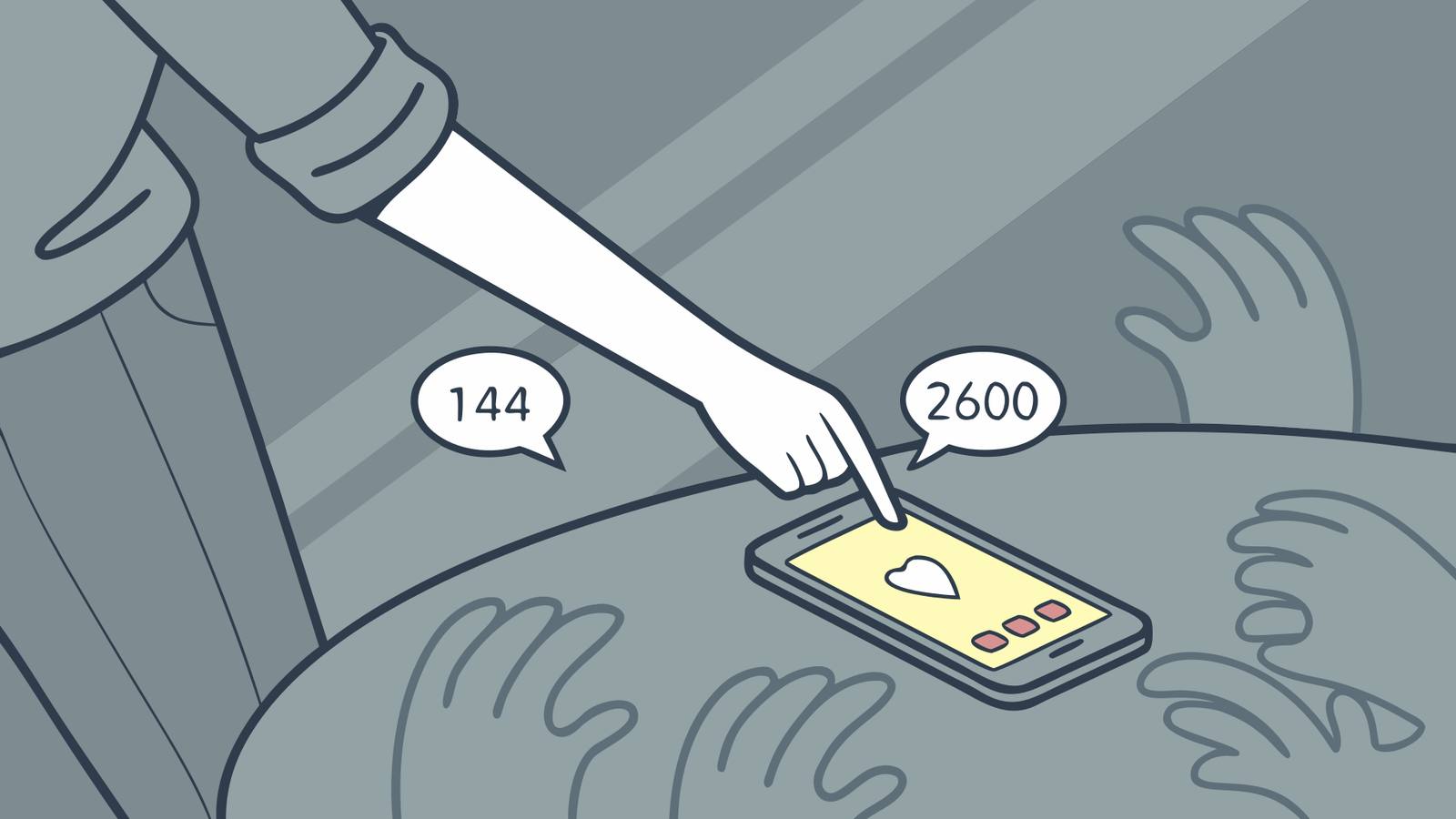
Be honest, did you just check your phone? If you did, you are not unusual. We check our phones on average 144 times a day and touch them more than 2,600 times. Often we do it not because something happened, but because something might have.
Attention is the most valuable currency online. Platforms offer constant stimulation so there is no moment left for quiet, for reflection, for simply sitting with thought. The result is a new normal where reaching for a screen is as automatic as breathing, and where the feed often wins over the face-to-face moment.
😔 Why we feel lonelier while looking more connected
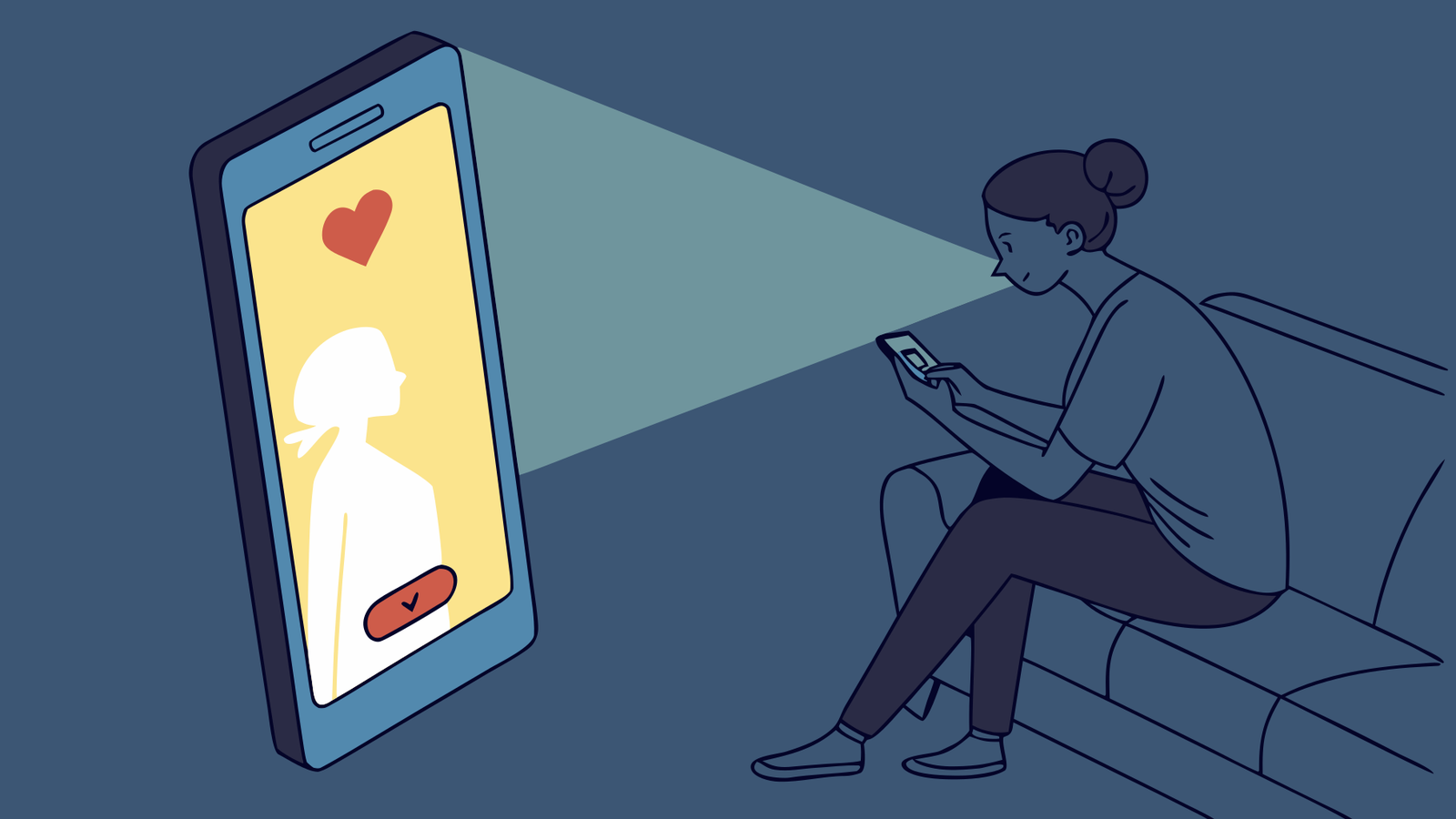
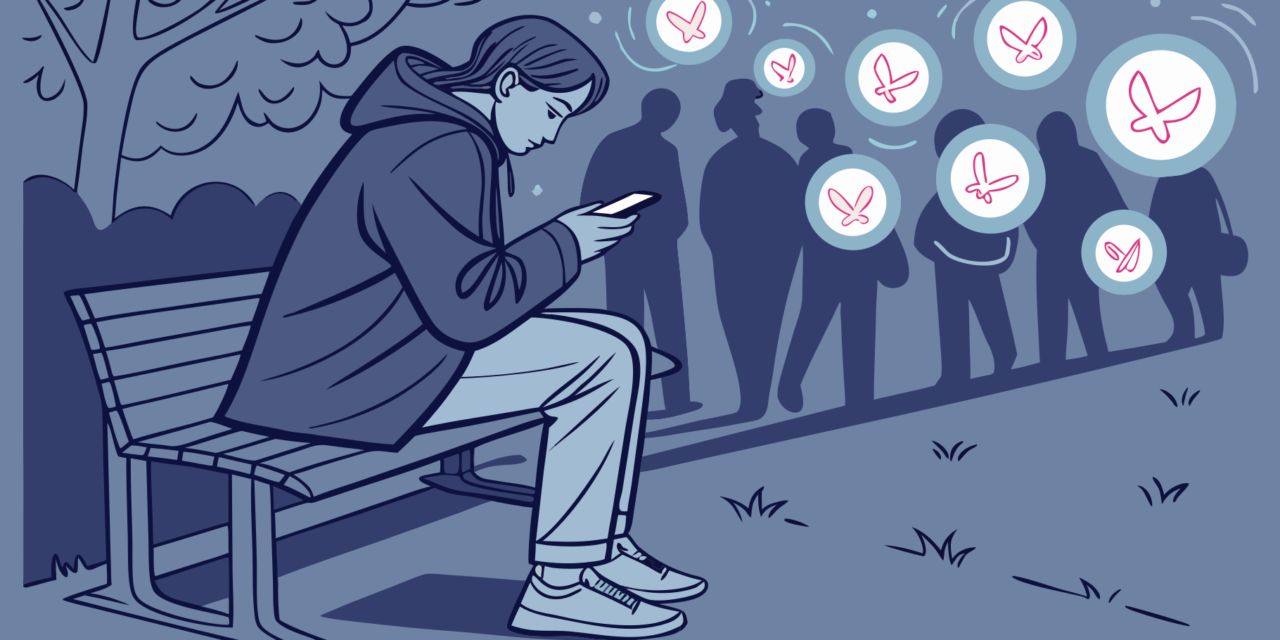
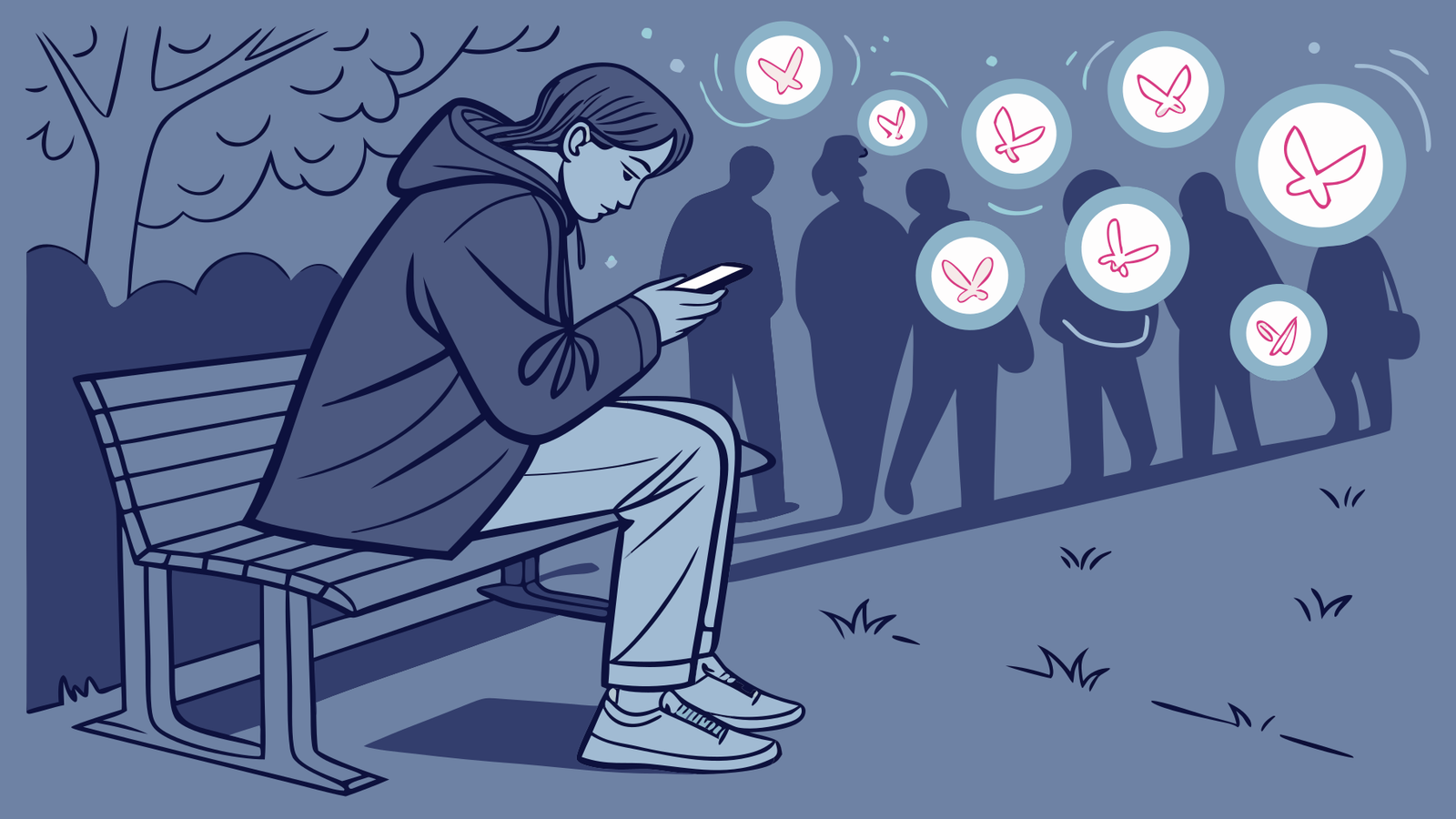
We say we are more connected than ever, but screens can give the illusion of intimacy without its substance. When a notification pings it can feel more intimate than eye contact. In the US the Surgeon General labelled loneliness a public health crisis even before the pandemic. By 2023, 58% of Americans reported feeling lonely often or always, and among teens the figure climbs above 70%.
“Alone, we scroll to feel less alone. And somehow it kind of works, until it doesn’t.”
Loneliness is not only an emotional state, it is a condition that increases risk of depression, anxiety, heart disease, dementia, stroke, and premature death. In effect, the damage from social isolation can be comparable to smoking 15 cigarettes a day.
🧠 How platforms hijack your brain
Social platforms are not neutral tools. They are emotional architectures built to poke your brain, hijack attention, and keep you scrolling. Designers learned how to create an itch. Stanford’s Persuasive Technology Lab, for instance, trained people in making those itches. Features like infinite scroll, autoplay, and random notification timings remove natural stopping cues and keep sessions longer.
- Removing stopping cues increases session time by 20 to 50%.
- Unpredictable rewards are more motivating than predictable ones. Wolfram Schultz’s neuroscience work shows dopamine spikes strongest at anticipation, not arrival.
- Likes, pings, typing indicators and “seen at” timestamps create constant small anxieties and keep attention hyper-focused on the feed.
That uncertainty – the maybe – is the engine of compulsive checking. You are not chasing the payoff. You are chasing the possibility of a payoff.
❤️🩹 The mental cost of curated applause
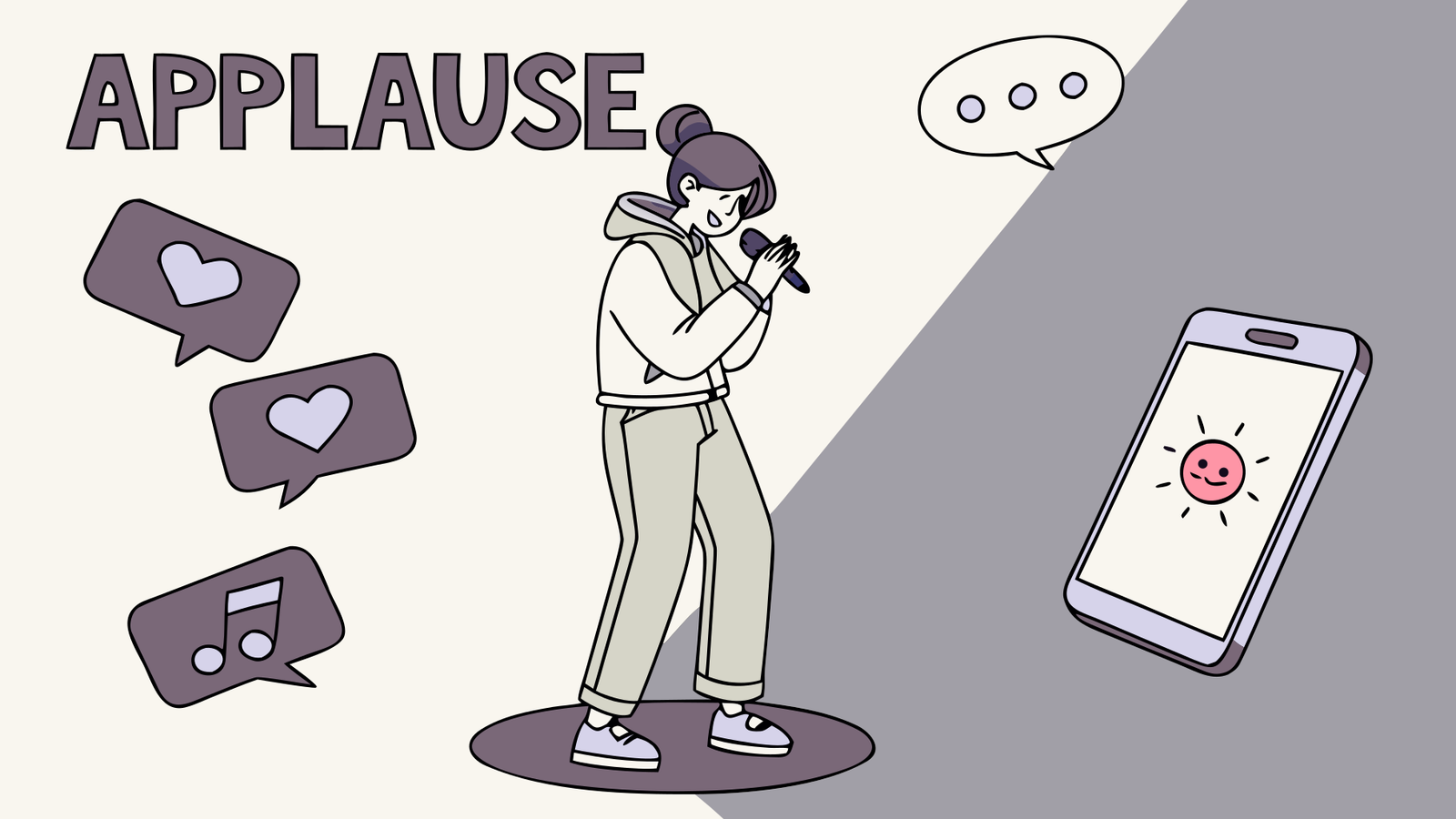
Metrics become proxies for self-worth. UCLA fMRI studies found that likes light up the nucleus accumbens, the brain’s reward center, the same circuitry activated by chocolate or money. When metrics substitute for meaningful feedback, social validation becomes identity validation. A post that does poorly can trigger the same internal script as “I am not interesting.”
People adapt. We curate joy, filter despair, and perform vulnerability when algorithms reward it. This produces “curated collapse” – share the fall, then scroll through applause. Cat Lazo’s story shows the limits of visibility: even with tens of thousands of followers, public attention did not equate to feeling seen or known, so she logged off to preserve her wellbeing.
🎭 The illusion of intimacy and why screen comfort can be deceptive
Digital contact can mimic intimacy but often misses the nonverbal nuance that builds trust. Eye contact, tone, body language, proximity and touch matter. Video chat and in-person interaction produce stronger feelings of connection than text or instant messaging. A study comparing in-person conversation, video chat, audio chat and texting found significantly higher feelings of connectedness during in-person meetings.
“Connection. Real connection is supposed to mean presence. Two brains, same moment, actual awareness.”
Screens can also act as shields. They protect us from discomfort, from having to stay with awkwardness, from immediate vulnerability. That comfort is attractive, but it short-circuits the very moments that build deeper relationships.
🌿 How to reclaim attention and rebuild real connection
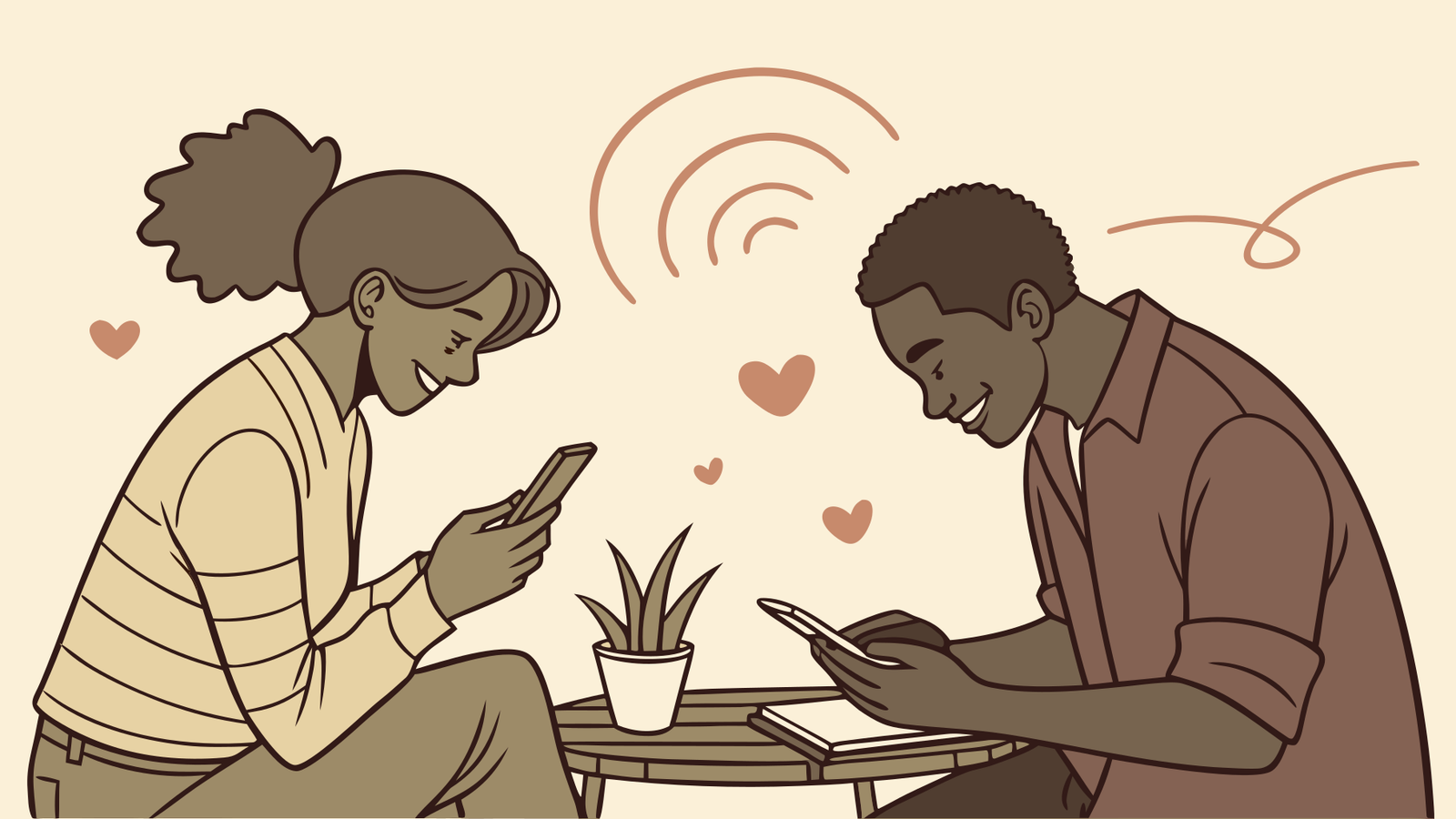
There is no single tech-free utopia to return to, but small, intentional changes work. Neuroscientist Matthew Lieberman argues that our default mode is social connection. Relearning how to be present takes practice and simple rituals.
- Behavioral substitution: replace compulsive scrolling with activities that do the same core job – connection, curiosity, or relaxation – but in healthier forms. Go for a walk with a friend, call someone, or join a small weekly group.
- Remove friction points that keep you glued. Disable nonessential notifications and restore stopping cues to give sessions natural endpoints. In one field study disabling notifications improved performance and reduced strain.
- Practice vulnerability in low-risk, in-person settings. Brene Brown’s work shows honest sharing invites others to meet you there and strengthens trust.
- Build human-sized circles. The Harvard 85-year study on adult development shows that warm relationships are the strongest predictors of long-term wellbeing.
- Press for better design. Technology is malleable. We can advocate for platforms and features that prioritise human flourishing over longer screen time.
Small rebellions against the scroll can add up: a phone-free day, a regular walk with a friend, logging off when performance metrics start to feel like identity metrics. These are not grand gestures, but they restore what algorithms cannot replace – presence, messiness, and true reciprocity.
❓ Frequently asked questions
Am I addicted if I check my phone hundreds of times a day?
How do algorithms use uncertainty to keep me engaged?
Is social media really linked to worse health outcomes?
What practical steps reduce phone dependency?
Can digital spaces be redesigned to promote intimacy?
🧭 Final thought
The problem is not technology itself. It is the rituals we abandoned when screens promised safer, easier connection. Real connection asks for presence, discomfort, and risk. It asks us to show up without a script. Would you still say yes if being close meant letting go of the feed? For me, the answer is yes. The work of re-learning how to be present is worth it.