
Table of Contents
- 🌟 Why teachers are moving to YouTube Automation
- 🧑🏫 Haider’s journey — from village to monetized channels
- 📚 Niche and content format Haider uses
- 🔍 Searchable evergreen vs browse viral strategies
- 📝 How Haider designs videos and playlists
- 📈 Metrics that matter — RPM, average view duration and CTR
- 💡 Practical tips for educators wanting to start
- 🚀 Monetization and scaling beyond AdSense
- 📌 Quick checklist to launch an education faceless channel
- 📅 Meet up and community
- ❓FAQ
- 🧾 Final words
🌟 Why teachers are moving to YouTube Automation
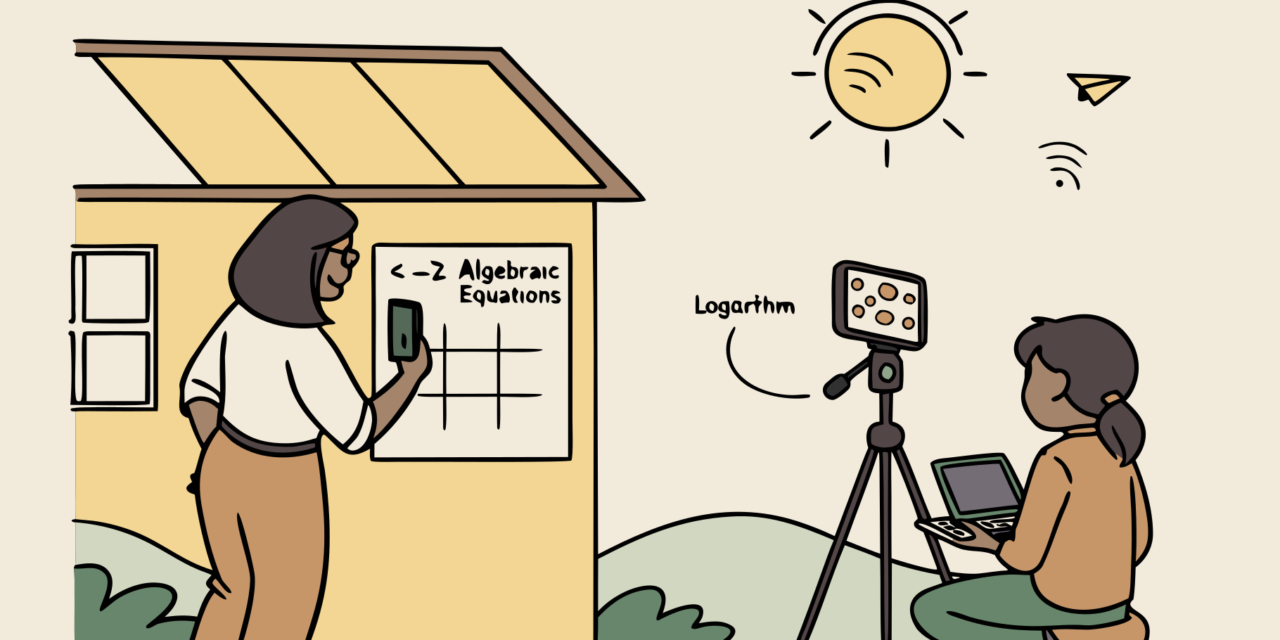
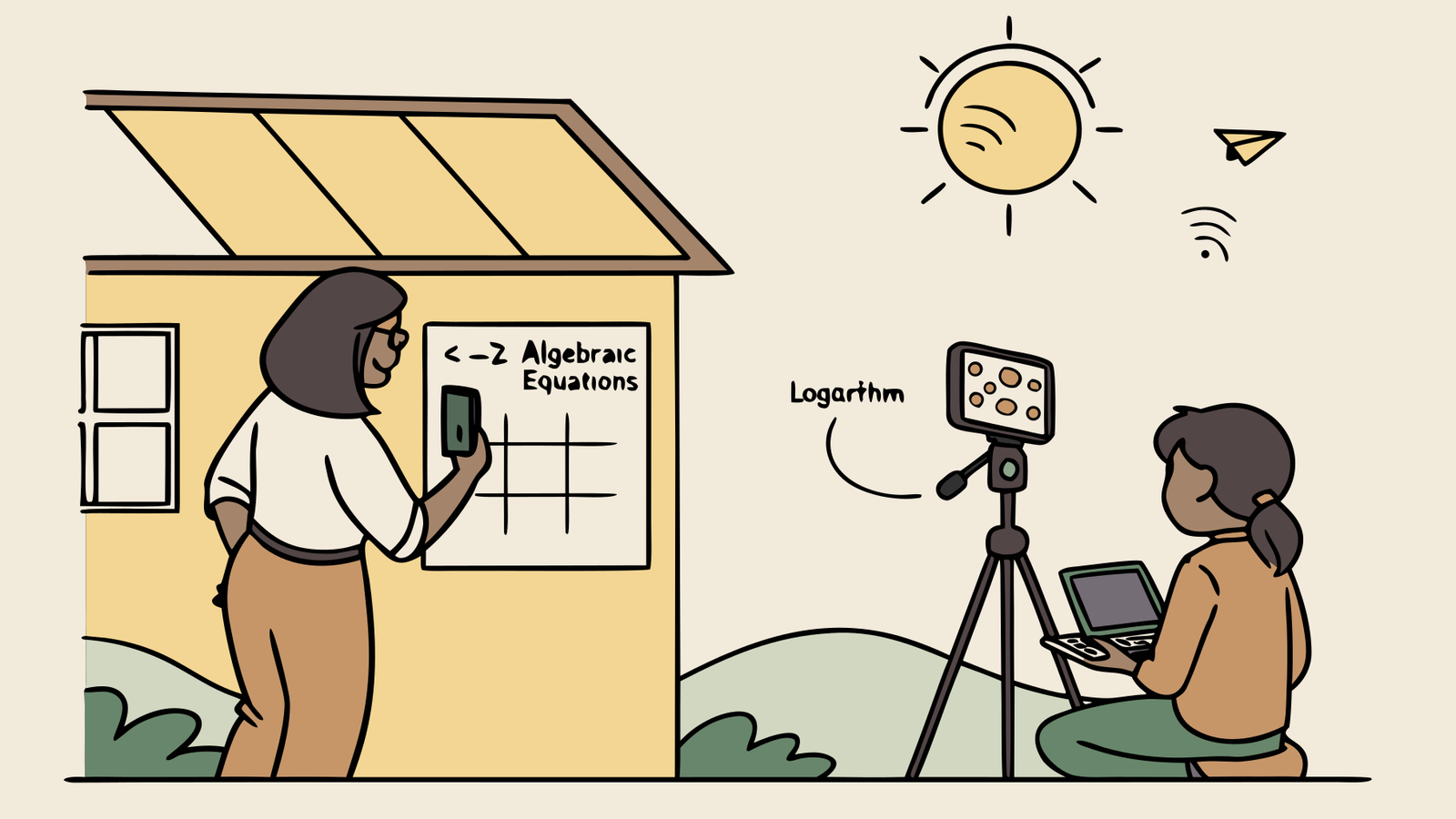
I invited Haider to talk about a niche that many overlook: competitive and foundational mathematics for students across the world. Haider is a government school teacher from Ghazni, a small village near Mitizai in Andar district. Despite facing frequent electricity and internet issues, he and his friends built monetized faceless channels focused on algebra and logarithms.
The message is simple and powerful: if you are literate and can teach basic concepts, you can build an educational faceless channel and scale it into multiple income streams.
🧑🏫 Haider’s journey — from village to monetized channels
Haider started his YouTube journey around December 2024 with no prior experience. In four months his channel became monetized. He works with friends and family members — one cousin who just finished FSc created a beginner algebra channel and is already earning.
Fuel for that growth came from consistent effort. Haider kept his government job and allocated fixed time after school to work on the channel. He emphasized routine and small, daily progress over bursts of work.
“I have kept my job along with it and I have fixed a time for myself. After coming back from school, I work for my channel within that time.”
📚 Niche and content format Haider uses
Haider focuses on educational content, mainly:
- Algebra and logarithms
- Past papers and Olympiad-style questions
- Beginner to competitive levels so content serves a wide audience
His target is international. Viewers come from the US, Germany, Brazil, France and many more countries. He uses faceless presentation with a clipboard and white paper for quick, clear solutions. This format suits an audience that wants to follow techniques fast without long setup shots.
🔍 Searchable evergreen vs browse viral strategies
There are two main growth paths for educational channels:
- Searchable evergreen content — slow and sustainable growth. Create videos on specific concepts like algebraic techniques. These videos get long-term views because students search for particular terms.
- Browse and suggested content — faster growth but less sustainable. These rely on playing with viewer psychology and trending hooks to get promoted in the browse feed.
Haider uses both. Because his content is educational, many videos continue to attract views over months and years. He also gets bursts of traffic when solving recent Olympiad questions from specific countries.
📝 How Haider designs videos and playlists
Key elements of his content workflow:
- Simple recording setup: clipboard and white paper instead of long whiteboard sessions
- Focused video length: he aims to keep individual problems concise — typically 5 to 25 minutes depending on complexity
- Playlists: grouped topics like algebra, radical simplification and logarithms help increase session watch time and average view duration
- Audience connection: respond to comments and use viewer suggestions to pick future topics
📈 Metrics that matter — RPM, average view duration and CTR
Haider shared real numbers to help set expectations:
- RPM for educational content is modest: around 1 to 1.5 USD per 1,000 views on his videos
- Average view duration: for a 10 minute video Haider gets around 5 to 6 minutes on average, which is excellent for the niche
- Video lengths: he avoids overly long videos unless the problem demands it. Usually one or two problems in 25 minutes max, with shorter 4 to 6 minute problem solutions also used
💡 Practical tips for educators wanting to start
If you are a teacher considering YouTube automation, these are the actionable steps Haider and I recommend:
- Start faceless if you prefer privacy: you do not need to show your face or voice
- Choose language wisely: Pashto,Dari,Urdu, Hindi or English. For most creators in the region starting with Pashto, Dari, Urdu or Hindi builds quick audience loyalty
- Be consistent: educational channels benefit from regular uploads and playlists
- Use playlists and CTAs: chain videos via calls to action so viewers move from one lesson to the next
- React and engage: friendly, slightly humorous replies and comment-driven topics build loyalty
- Pick a strategy: decide whether you will focus on evergreen search traffic or aim for browse-driven growth
🚀 Monetization and scaling beyond AdSense
AdSense is only the start. Haider and many teachers use YouTube as the distribution layer and then scale using:
- Online courses and paid study material
- Paid student communities and mentorship
- Workshops, offline meet ups and coaching sessions
I also shared a case study to inspire creators. Study the “Physics Wala” story — a creator who started teaching physics on YouTube and later built a unicorn startup valued very highly. That shows the real potential of education as a scalable business.
📌 Quick checklist to launch an education faceless channel
- Decide language and topic level (beginner, intermediate, competitive)
- Create a simple recording setup: clipboard, paper, screen recording or slides
- Plan a content calendar and playlists
- Target searchable queries first for sustainable growth
- Include CTAs that push viewers into playlists
- Engage with comments and create content from audience requests
📅 Meet up and community
We are organising a YouTube Automation meet up on 30th November 2025 in Lahore. Seats are limited to 170 and the event is free for students of the YouTube Automation Master Program. This is a practical chance to network, ask questions and meet creators who are already running faceless educational channels. If you want to join, contact the team via the WhatsApp link provided in the program information.
❓FAQ
Can a beginner with only school level knowledge create an educational channel?
Do I need a fancy studio or camera setup?
Which growth strategy should I pick: search or browse?
What video length works best for educational content?
How much can I earn from educational YouTube channels?
Can teachers manage YouTube while keeping a full time job?
🧾 Final words
Educational YouTube channels are a powerful and underexploited opportunity. If you have knowledge and consistency, you can build a faceless channel, grow an international audience and scale into higher revenue streams like courses and communities.
Start small, be consistent, make playlists and always listen to your audience. If you are a teacher, this could be the best way to multiply your impact and income.
Additional resources: see Brand story, read about Challenges, or visit Prime News.