Table of Contents
- 🌍 Origins and capture
- 👑 Damascus, the naming, and As Salih Ayyub
- ⚔️ Building power with the Mamluks
- 🛡️ Regent in a crisis and the Seventh Crusade
- 🏛️ Abdication, the rise of the Mamluks, and my brief rule
- 💰 Ransom, architecture and cultural imprint
- 🗡️ Power struggles, assassination and downfall
- 🕊️ Legacy: a dynasty, a precedent and the only woman on the Islamic Egyptian throne
🌍 Origins and capture
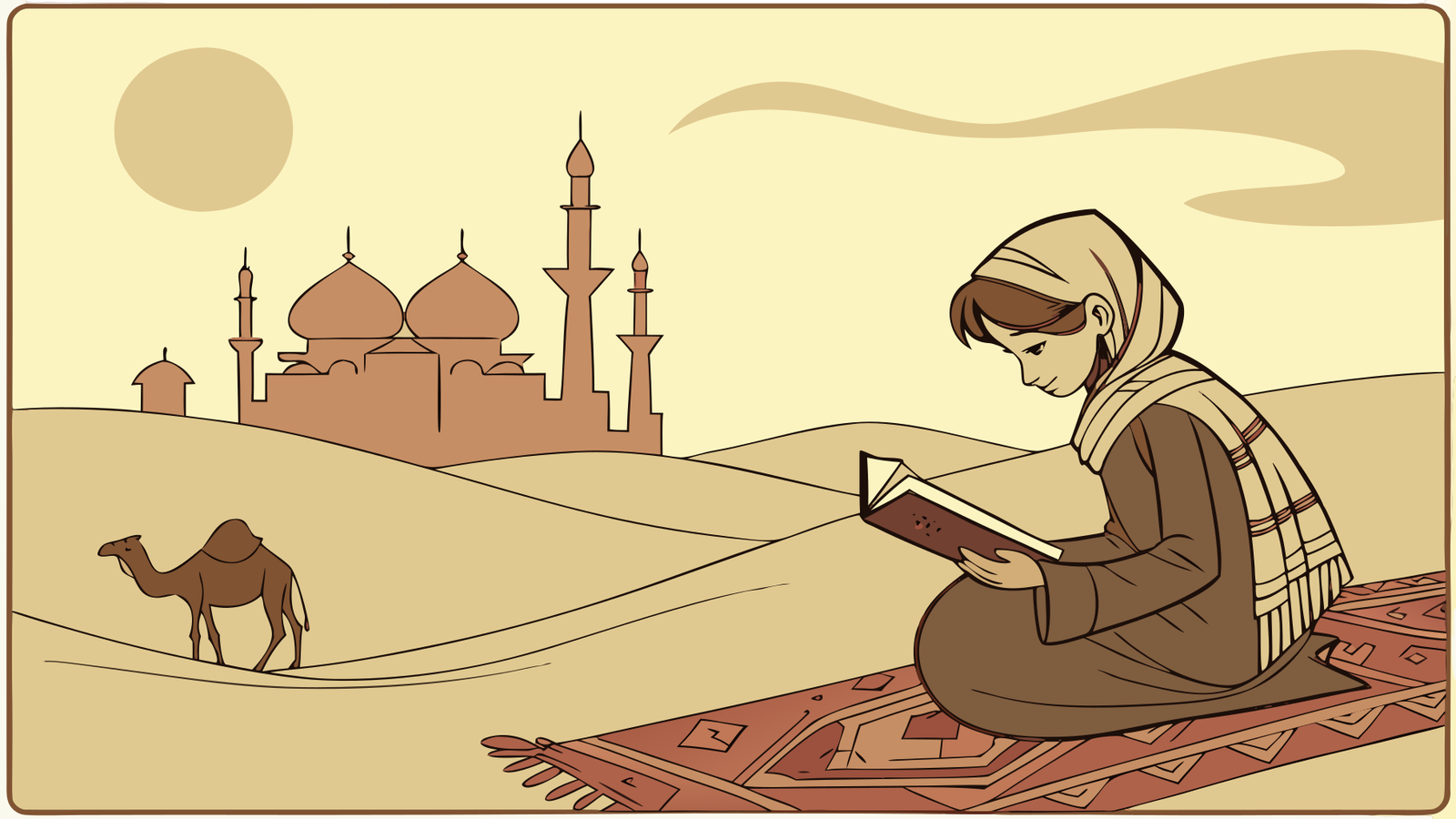
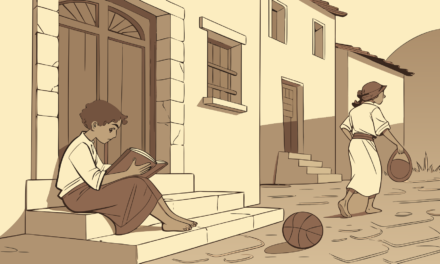
I do not know exactly when or where I was born. Most say the Central Asian steppes around 1226 and that I belonged to the Kipchak people. I remember only flashes of that life and the moment I was taken. At around eight years old I was sold into slavery and sent to Baghdad, into the Abbasid caliphal harem.
There were unexpected advantages to that cruel twist of fate. In Baghdad I received an education in literature, religion, politics and music. I learned to be interesting, to listen, and to speak at the right moment. That training would follow me for the rest of my life.
👑 Damascus, the naming, and As Salih Ayyub
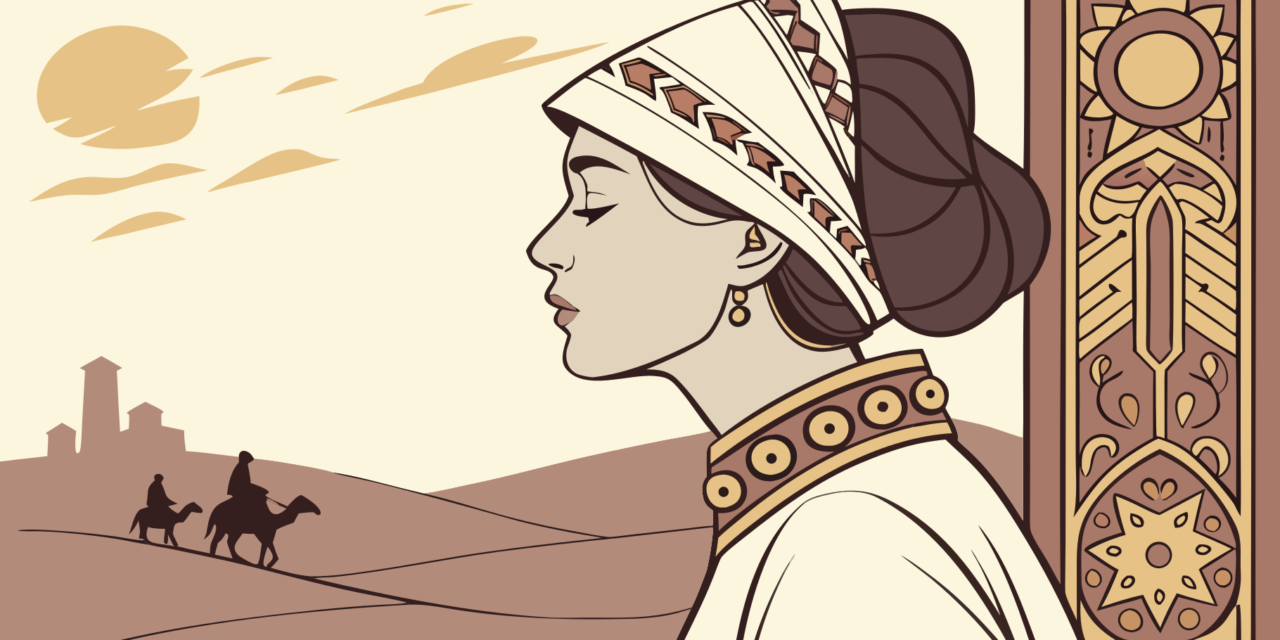
At around 11 or 12 I was given as a gift to As Salih Ayyub, the emir of Damascus. He called me Shajarat al Durr, the tree of pearls. He was in his thirties and I was barely a teenager, but the bond that formed between us was more than a passing affair. It became the foundation of my future.
When As Salih marched to claim power after his father died, fortunes shifted fast. He was captured and imprisoned at Karak Castle. I went with him and stood at his side. I bore him a son, Khalil, though he died in infancy. For concubines like me, motherhood was often our leverage. I became known as Um Khalil, the mother of Khalil, and that name mattered in the politics of succession.
⚔️ Building power with the Mamluks
My husband relied heavily on the Mamluk slave soldiers, Turkic and Kipchak men who had been trained as an elite military force. I shared that background and I watched their ranks grow under As Salih. We thought their loyalty was absolute. We were wrong to be complacent, but for a while that military pillar secured our rule.
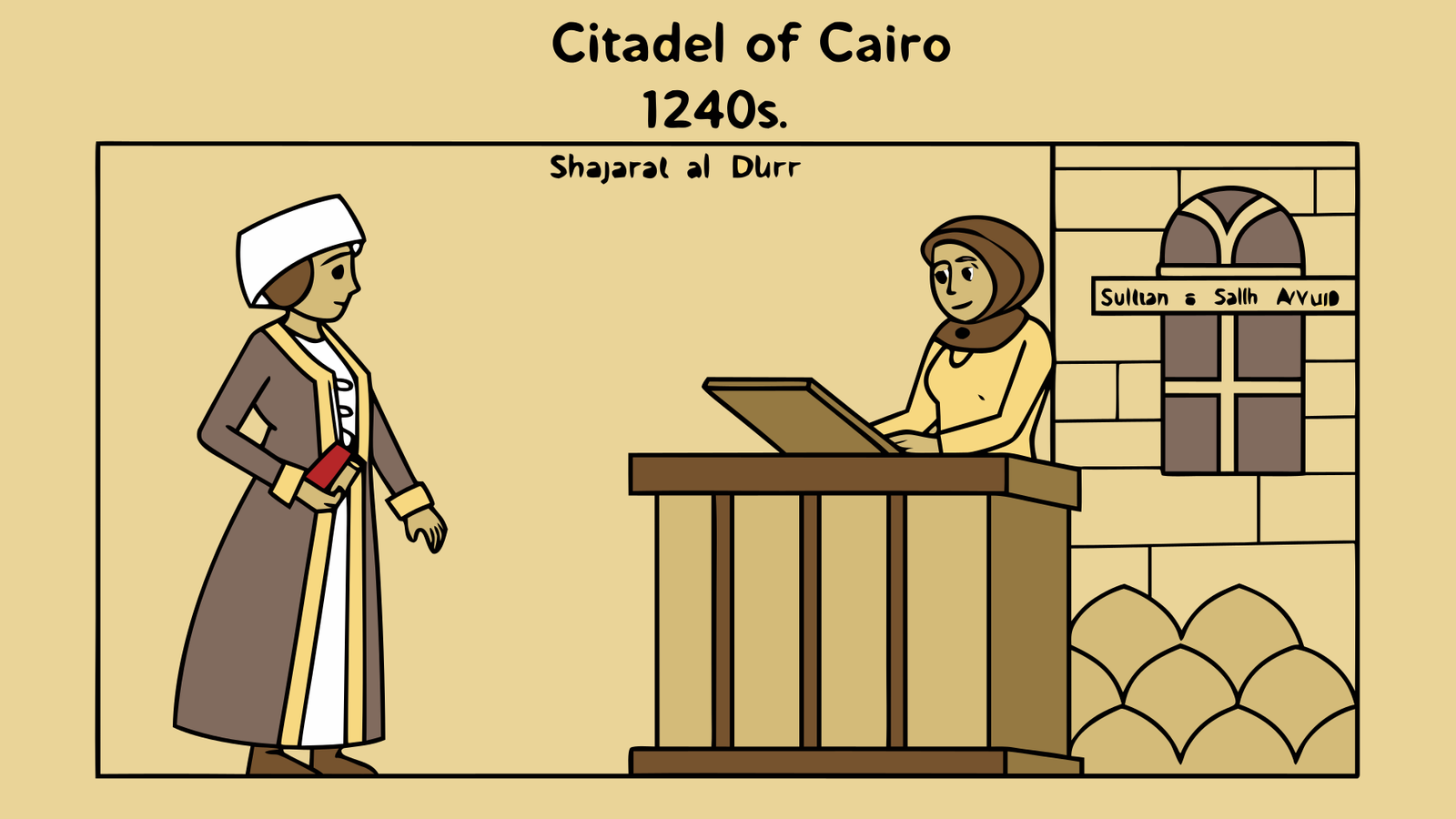
When As Salih finally entered Cairo and took the sultanate in 1240 I stood at his side in the Citadel. I learned the day to day of rulership. I listened to military reports, managed rents and estates, and mediated disputes. He treated me with kindness and, over time, his devotion and my political aptitude made us partners in governance.
🛡️ Regent in a crisis and the Seventh Crusade
In 1247 As Salih left for Syria despite his poor health. He named me regent in Cairo. I was in my early twenties and suddenly running the country. My time as regent taught me to sign decrees, issue orders and hold power in a time when few women dared or were allowed to do so.
When King Louis IX of France launched the Seventh Crusade and captured Damietta in 1249 the threat was immediate. I rallied the Ayyubid and Mamluk forces along the Nile. As Salih fell gravely ill at Mansoura and died in my arms. Rather than announce his death I kept the news secret. I forged his signature, kept up the appearance of a living sultan and bought time for our armies to repel the French.
That deception helped lead to a major victory. The crusaders were routed, their supply lines cut and their position collapsed. Early in 1250 we captured King Louis IX. For a woman who had been a slave, negotiating the ransom for a European king was a triumph the world would not easily forget.
🏛️ Abdication, the rise of the Mamluks, and my brief rule
The political realities, however, forced hard choices. I had been running Egypt for months but I had no son to place on the throne. The Abbasid caliph in Baghdad refused to recognise a woman as sovereign. He threatened to send a ruler of his own choosing. To secure the fragile stability of Egypt and the crucial backing of the Abbasids I agreed to marry Ayyub al Sayf al Dīn Aibak, the Mamluk commander whom Baghdad accepted.
In 1250 I abdicated in name but retained enormous influence. Coins were struck in my name, decrees bore my authority and, most importantly, my name was pronounced in the Friday khutbah. I had achieved something unprecedented: a woman in medieval Islamic Egypt whose rule was formally acknowledged from the pulpit.
💰 Ransom, architecture and cultural imprint
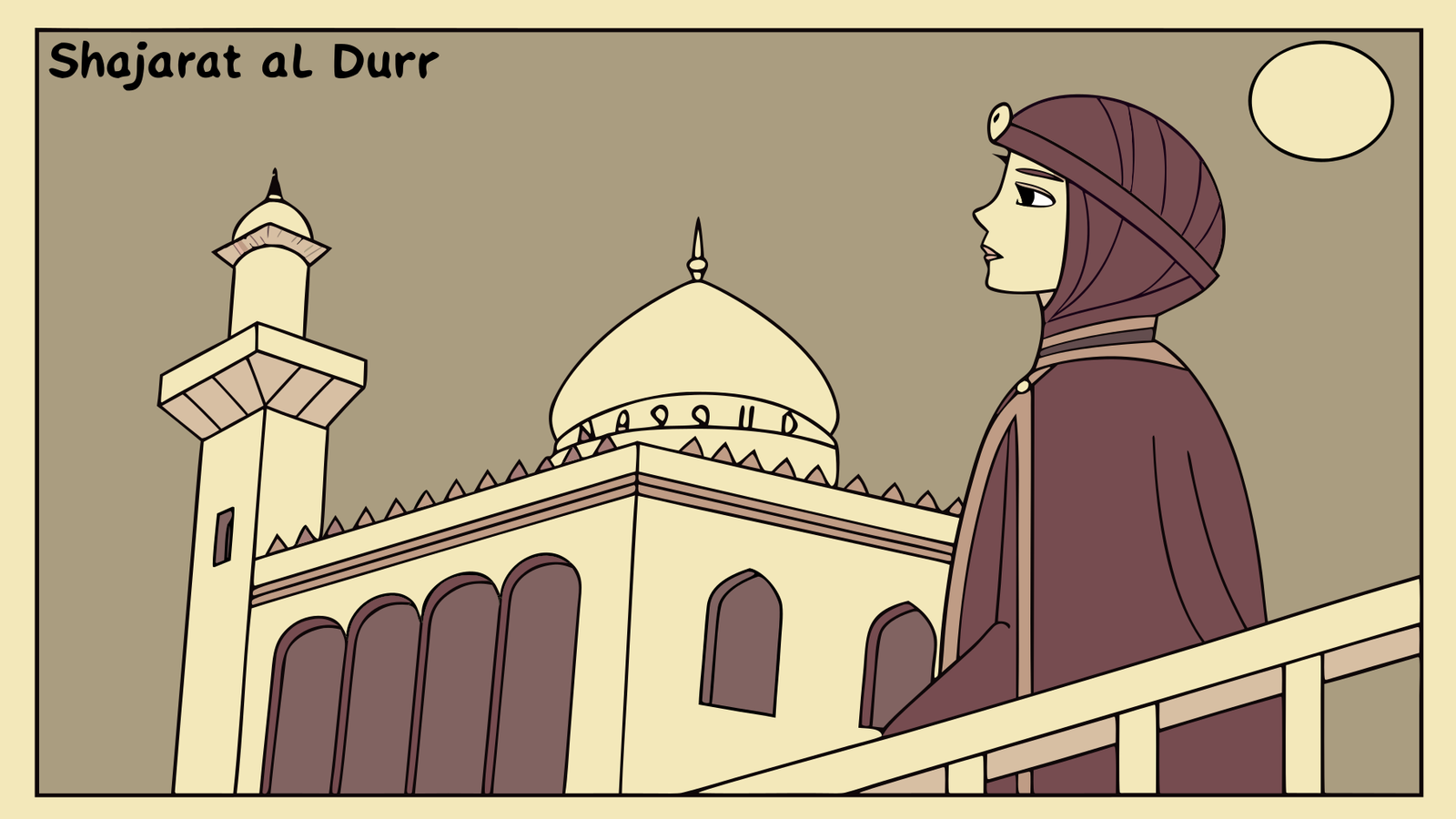
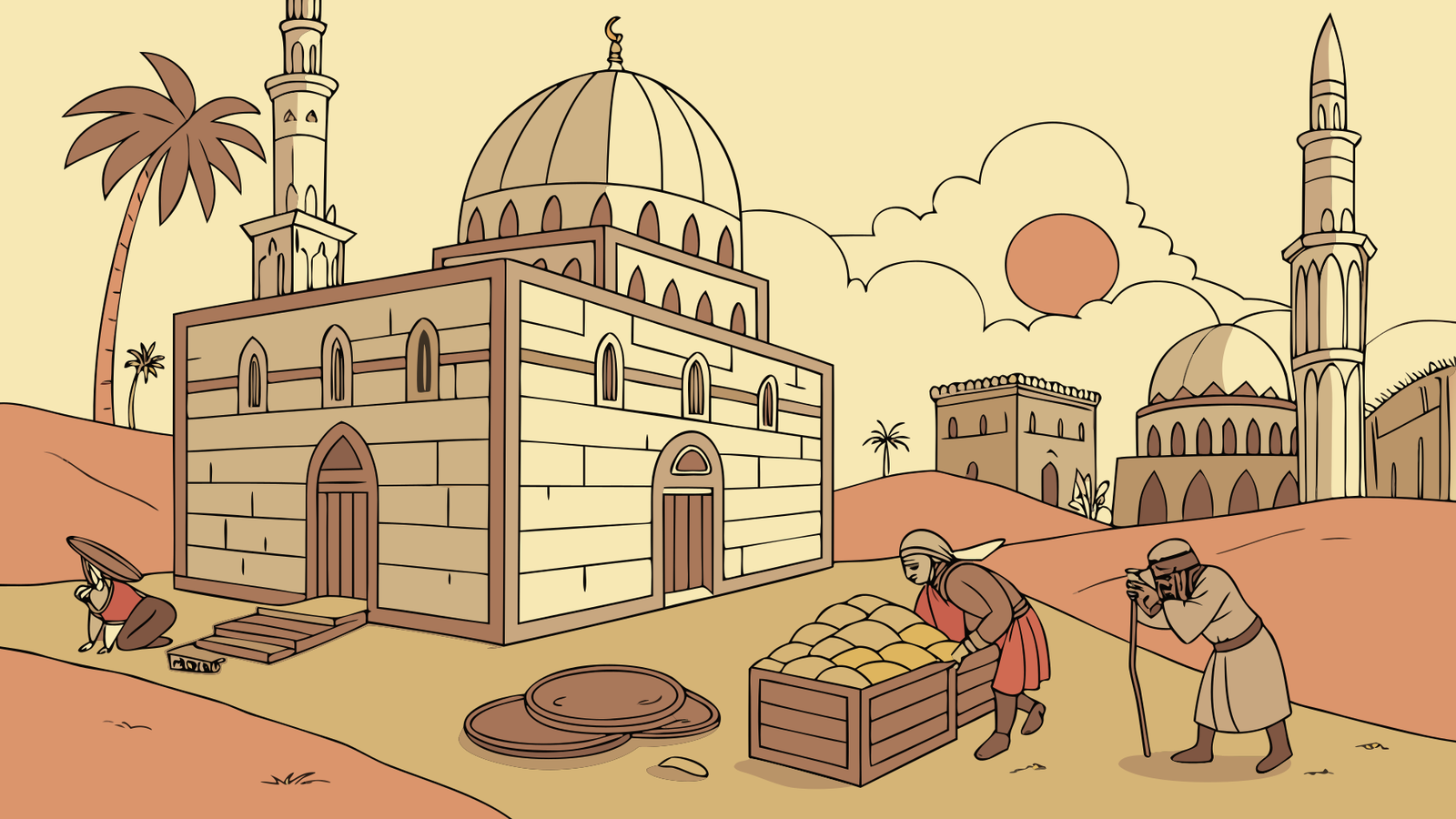
The ransom for Louis IX was enormous. It amounted to something like a third of France’s annual income. I used part of that wealth to leave a mark on Cairo. I commissioned a mausoleum for As Salih. That white-domed tomb with its mother of pearl inlay in the dome still stands in the medieval quarter of Cairo. It was my way of ensuring our names lived on in stone.
Under me and then under the Mamluks the city transformed. Tombs and madrasa complexes multiplied. Through architecture the new rulers carved a permanent legacy.
🗡️ Power struggles, assassination and downfall
Power is a dangerous business. Tensions never fully disappeared. In 1257 rumours reached me that Aibak planned to remarry. I could not accept that another wife, backed by Baghdad, might displace me. I ordered Aibak assassinated to protect my position. It was a risky move and it backfired.
Two factions rose. One supported me. Another rallied behind Aibak’s son, al Mansur Ali. The latter prevailed. I was betrayed, isolated and imprisoned in my rooms at the Citadel. The man who sat on the throne now had a score to settle, and he left my fate to his mother.
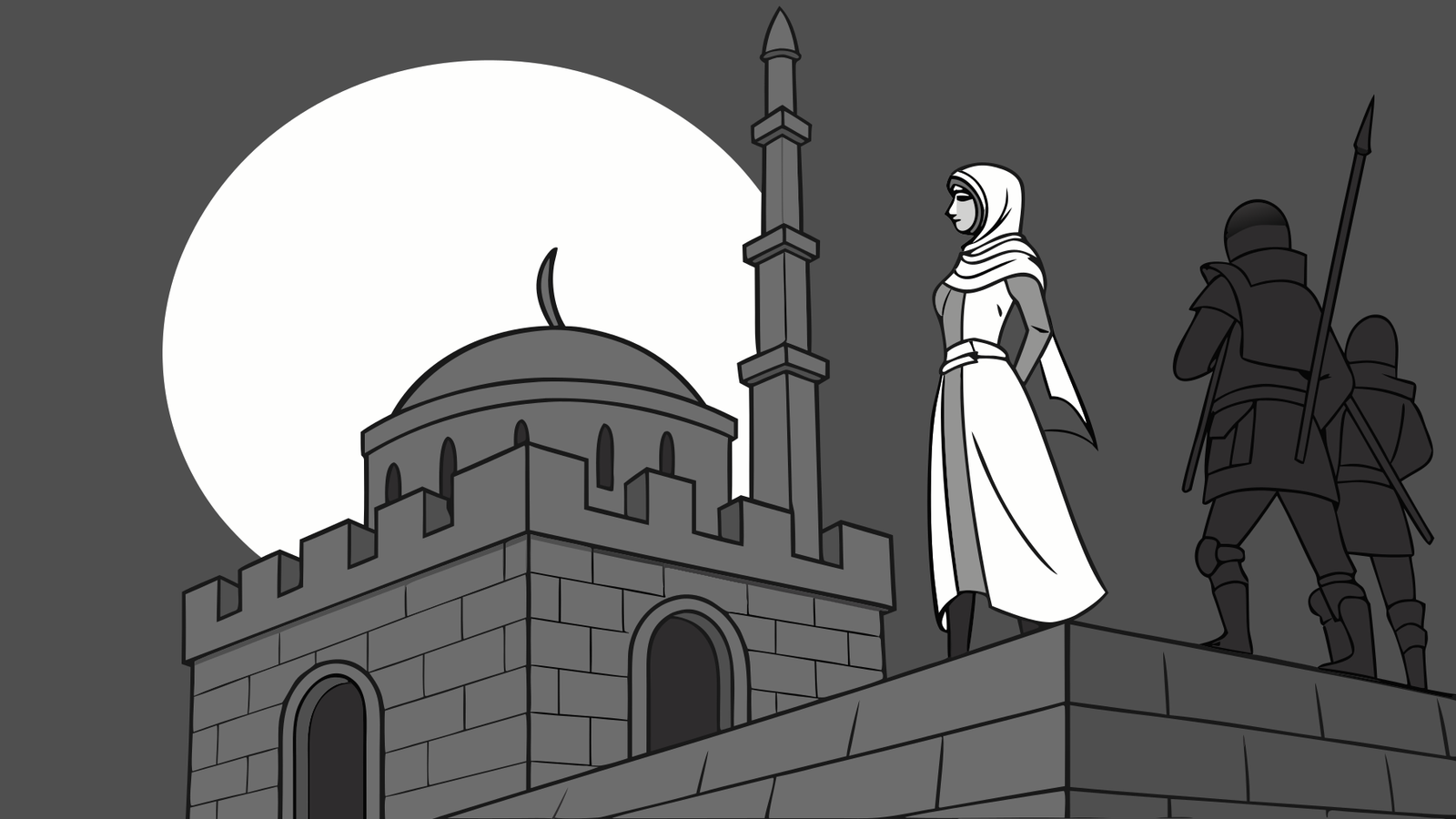
They came in the night. I tried to stand tall. I declared who I was, both to buy time and to remind them of my deeds. They beat me with wooden shoes, dragged me to the terrace and threw me from the walls. I was about 32 years old. My body was left naked and beaten in the grounds for days. A few Mamluk friends later buried me within the mausoleum I had commissioned.
🕊️ Legacy: a dynasty, a precedent and the only woman on the Islamic Egyptian throne
My rule was short and my end brutal, but the consequences were vast. The Ayubid dynasty ended and the Mamluk era began. I was the first woman to sit on Egypt’s throne since Cleopatra, nearly 1300 years earlier, and to this day I remain the only woman to have held that position in Islamic Egypt.
People called me schemer, power hungry, a woman who overstepped. I argued then as I do now that I had much more to give. I survived kidnappings, slavery and court intrigues to reach the pinnacle of power. I negotiated the ransom of a European king, guided armies, commissioned monuments and helped steer a state through the liminal moment between dynasties.
Who exactly was Shajarat al Durr?
How did she go from slave to ruler?
What role did she play in the Seventh Crusade?
Why was her rule so short?
What remains of her legacy in Cairo today?
Further reading: For general context, visit ThePrimeNews. Read about our background at Our Story, and explore modern parallels at Challenges.