Table of Contents
- 🌱 Why more women in their 40s are having babies — and what egg freezing really means
- 🩺 Endometriosis: the condition too many are told is “normal” pain
- 🧠 Thyroid cancer: silent signs, common in women, and what to watch for
- 💪 What these stories teach us about women’s health
- ❓ Frequently Asked Questions
- 📣 Final thoughts and an invitation
🌱 Why more women in their 40s are having babies — and what egg freezing really means
I froze my eggs at 35. Like many women, I wanted the option to build a family when I was ready rather than rush into a relationship just to have children. Hamdah Khan , CEO and co-founder of a creative agency in Jordan, shares the 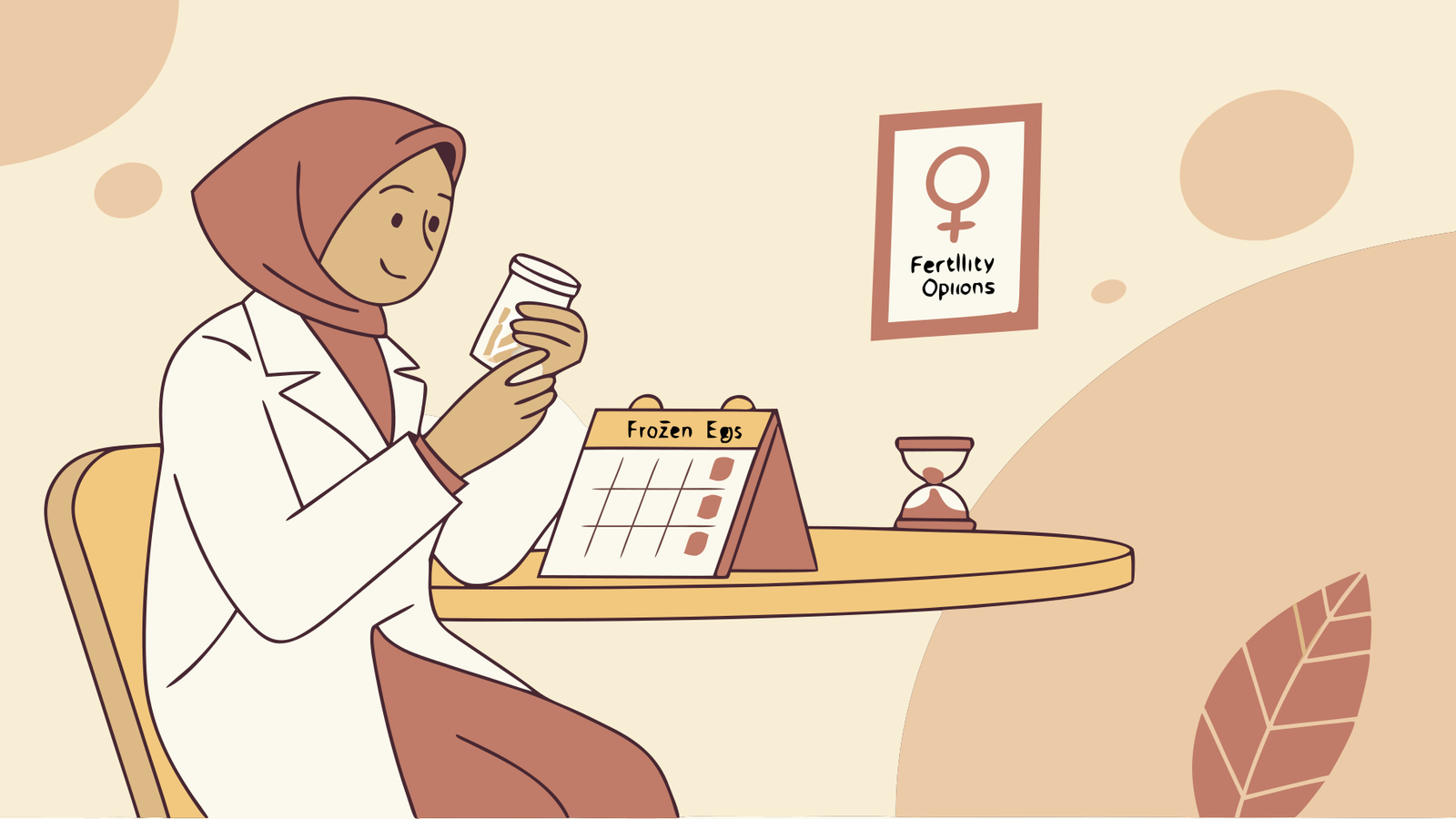 same reasoning: she wanted to “freeze time” for her reproductive future while focusing on her work.
Egg freezing is increasingly accessible around the world, but access and social acceptance vary greatly. In Jordan, Hamdah found the procedure legal and affordable, but faced cultural barriers. Clinics may refuse unmarried women or insist on surgical approaches that raise concerns about preserving perceived virginity. Even when the law allows a choice, taboos often shape care.
Key points from Hamdah’s experience:
- She decided at 35 after researching options and consulting doctors over several years.
- In Jordan, egg freezing is legal for anyone, but IVF with sperm and embryo transfer is only allowed for married women.
- She publicly shared her journey on Instagram and found strong support from peers and medical professionals.
- Her advice: know your body, see your gynecologist regularly, and consider freezing earlier if you want the option—don’t wait until 35 if you can help it.
“If I was able to do it at the age of 26, I would have done it at the age of 26. Don’t wait till you’re 35 because biologically we get older.” — Hamdah Khan
🩺 Endometriosis: the condition too many are told is “normal” pain
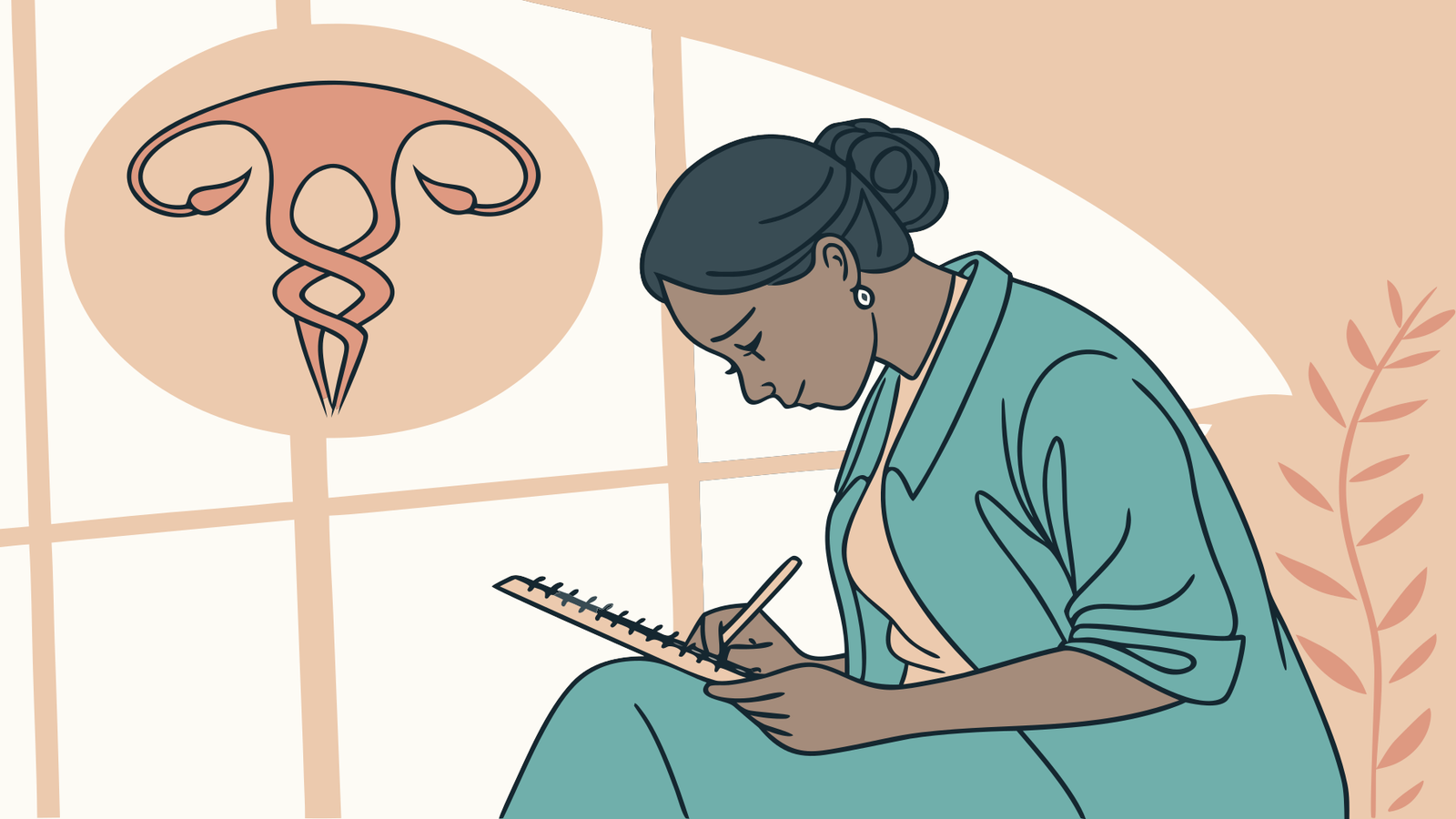
Nakeetah Jones, a TV presenter, lived with debilitating pelvic pain from her teens. She started her period at 12 and by 14 the pain was so severe she missed school often. For years doctors told her the pain was normal. It was not until she saw a friend’s social post about endometriosis at 27 that she pushed for a specialist and a diagnosis.
Endometriosis occurs when tissue similar to the uterus lining grows outside the uterus. These lesions cause inflammation, pain, organ adhesions, structural changes and can lead to infertility. Because lesions do not always show up on routine imaging, many people are misdiagnosed or dismissed.
Symptoms to watch for
- Severe period pain that disrupts life or requires strong painkillers
- Pain at other times in the cycle including ovulation
- Chronic pelvic pain, bowel or bladder symptoms such as severe rectal pain or urinary urgency
- Infertility or unexplained difficulty conceiving
- Migraines or gastrointestinal symptoms linked to cycles
Pelvic floor physical therapist Jana explains that endometriosis can be a “silent disease,” often missed by imaging and misinterpreted as normal menstrual pain. She stresses the importance of taking family history seriously and asking targeted questions: if several female relatives had hysterectomies or chronic pelvic issues, endometriosis may be a common thread.
What to do if you suspect endometriosis
- Track symptoms and how they affect daily life
- See a gynecologist experienced in endometriosis and consider referral to multidisciplinary teams
- If facing fertility challenges, consult an endometriosis specialist before costly fertility treatments
- Be persistent: listen to your body and advocate for further evaluation
“Listen to your body. You know best. If you are in pain repeatedly and it is debilitating, that is your body giving you a clear sign that something isn’t right.” — Nakeetah Jones
🧠 Thyroid cancer: silent signs, common in women, and what to watch for
Thyroid cancer affects women more than men. Dr Taboo Jaber, an endocrinology consultant, explains that we suspect hormones such as estrogen may play a role, but the disease is mostly asymptomatic. Many cases are discovered incidentally during scans for unrelated issues.
Still, there are possible signs to be alert to:
- Persistent difficulty swallowing or a sensation of something stuck in the throat
- Localised swelling or a palpable lump in the neck
- Unexplained ear or shoulder pain related to nerve irritation
- Enlarged lymph nodes in advanced cases
Ayah Khan shared a powerful story of being dismissed for years despite dramatic symptoms: rapid weight gain of 30 kilograms in six months, brain fog, fatigue, severe gastrointestinal issues and heat intolerance. She was told it was anxiety or to simply lose weight. Her eventual diagnosis at 23 brought relief and validation.
Advice from Ayah
- Do not minimise your symptoms to fit someone else’s expectations
- If you know something is wrong, persist and push for the right tests
- Maintain your mental health supports during long diagnostic journeys
“You are not your illness. You are not your cancer. You are yourself, first and foremost.” — Ayah Khan
💪 What these stories teach us about women’s health
Across egg freezing, endometriosis and thyroid cancer we see common themes:
- Knowledge gaps: many people do not learn about their bodies early enough
- Systemic dismissal: women’s pain is too often normalised or mislabelled as anxiety
- Cultural barriers: legal access is one thing; social acceptance is another
- Advocacy matters: tracking symptoms, asking questions and seeking specialists can change outcomes
Medical progress matters, but so does social progress. When women are heard, when specialists collaborate and when communities share experiences openly, outcomes improve.
❓ Frequently Asked Questions
What is egg freezing and who can access it?
At what age should I consider freezing my eggs?
What symptoms suggest endometriosis and when should I see a specialist?
Why is endometriosis often misdiagnosed?
How does thyroid cancer usually present and what should I do if I’m worried?
What can I do if doctors dismiss my symptoms?
📣 Final thoughts and an invitation
These stories are a reminder that women’s health matters in concrete, life-changing ways. Whether it is reproductive choices, chronic pelvic pain or cancer, the path to care is often littered with misunderstanding and gatekeeping. But sharing experiences, asking hard questions and seeking the right specialists makes a difference.
If you have a health story you want to share or a topic you think deserves more attention, speak up. Our bodies are not problems to be tolerated. They are signals to be listened to, acted on and respected.