Albert Camus: The Absurdity of It All — Table of Contents
- 🌅 A brief introduction
- 📚 Growing up in Algeria and the roots of my thought
- 🧭 The idea of the absurd
- 🎭 Early career: theatre, journalism and politics
- 📖 Key books and essays
- ❤️ Personal life and contradictions
- ⚔️ War, resistance and public life
- 🌍 Algeria, politics and the tightrope I walked
- 🏆 The Nobel Prize and later years
- 🚗 Death and the unfinished book
- 📜 Legacy and why my work still matters
- ❓ Frequently asked questions
🌅 A brief introduction
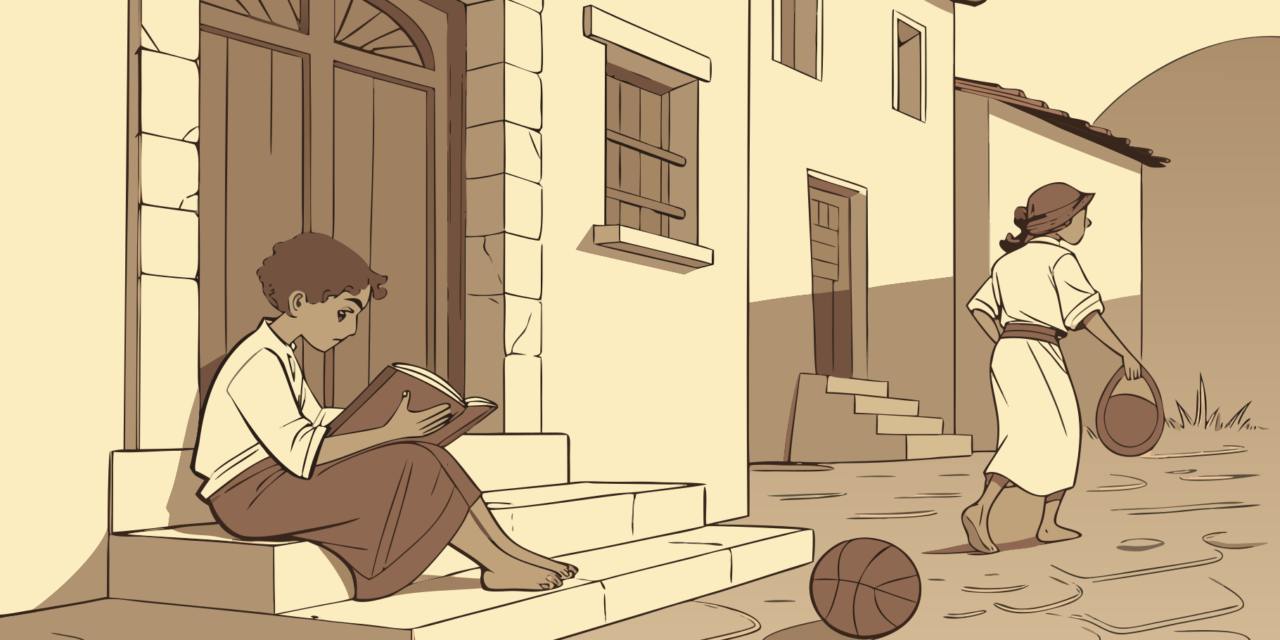
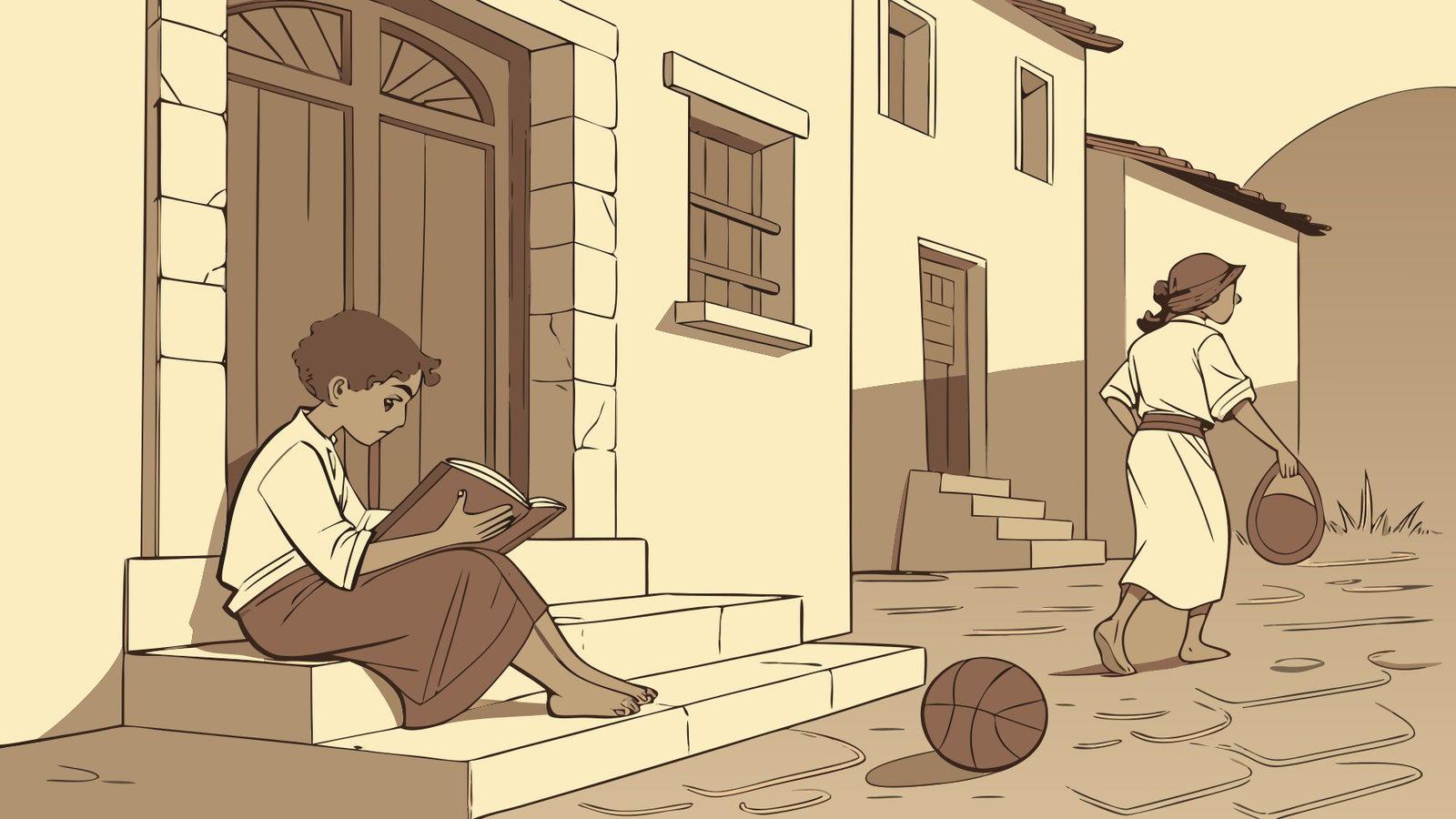
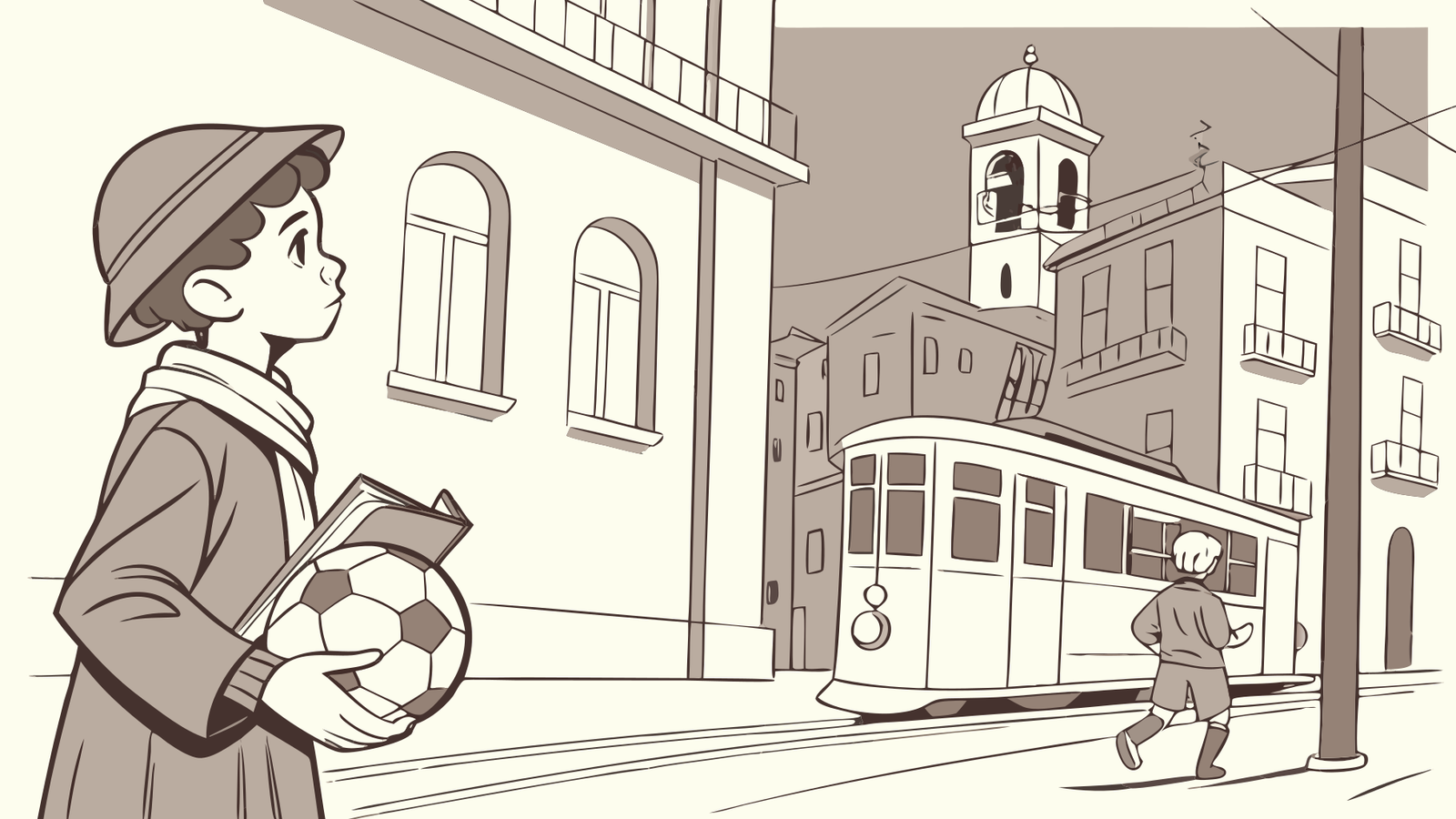
I was born on 7 November 1913 in Mondovi, a small coastal town in Algeria under French rule. My life began in a poor, loving home in Algiers. My father died in the First World War when I was not yet one year old. That loss stayed with me. My mother worked hard and was partially deaf. She could not read, but she wanted me to learn. Books and football gave me two very different pleasures: the life of the mind and the life of the body.
📚 Growing up in Algeria and the roots of my thought
Algeria shaped me. I was a pied-noir, a European settler in a colonised land. I saw the clear differences in rights between Europeans and the local Arab and Berber people. I watched a boy kicked off a bus for being poor and marked by lice. That sight left its mark on my thinking. I learned early that life can be unfair and that human cruelty often comes with ordinary routine.
🧭 The idea of the absurd
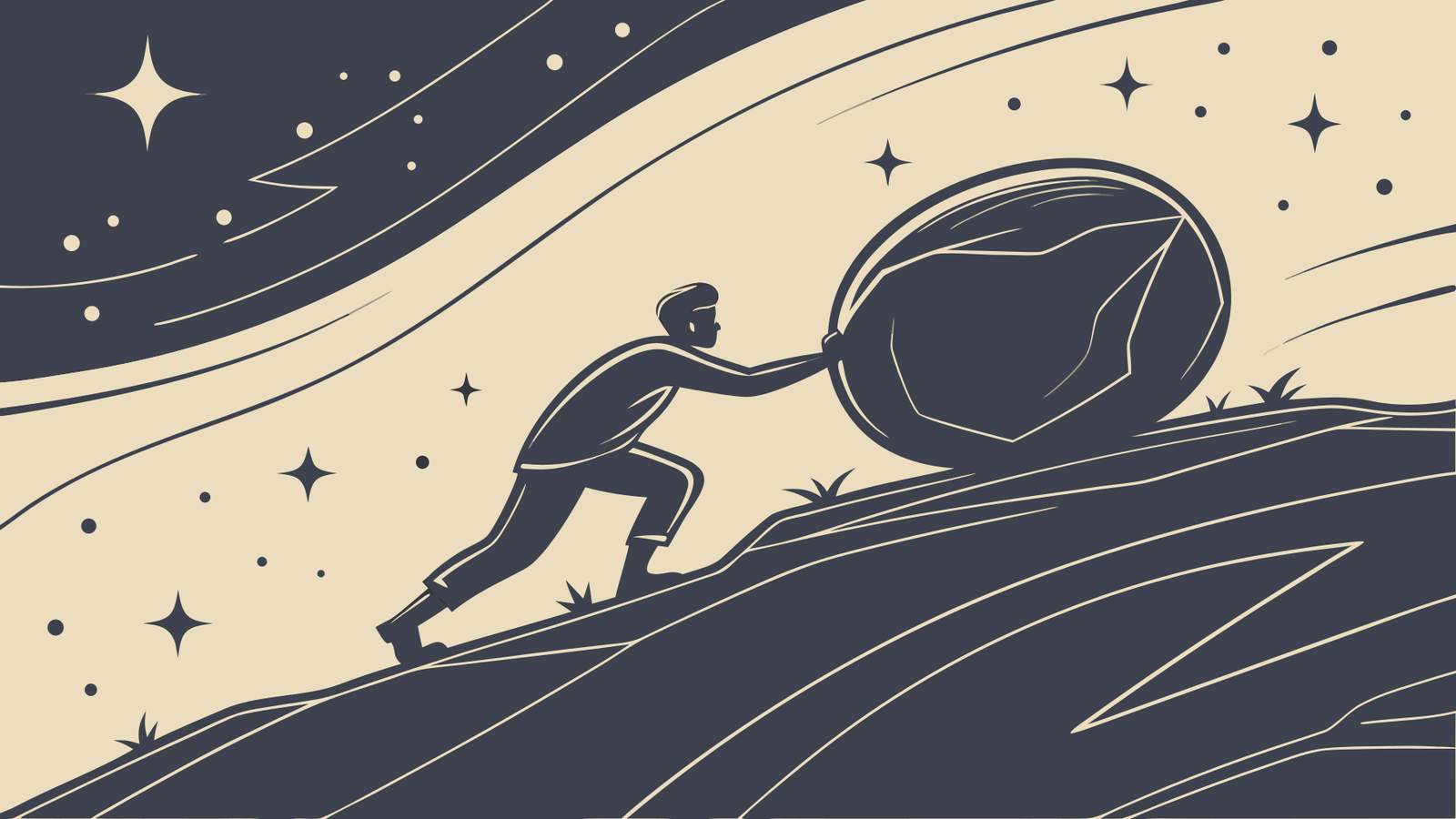
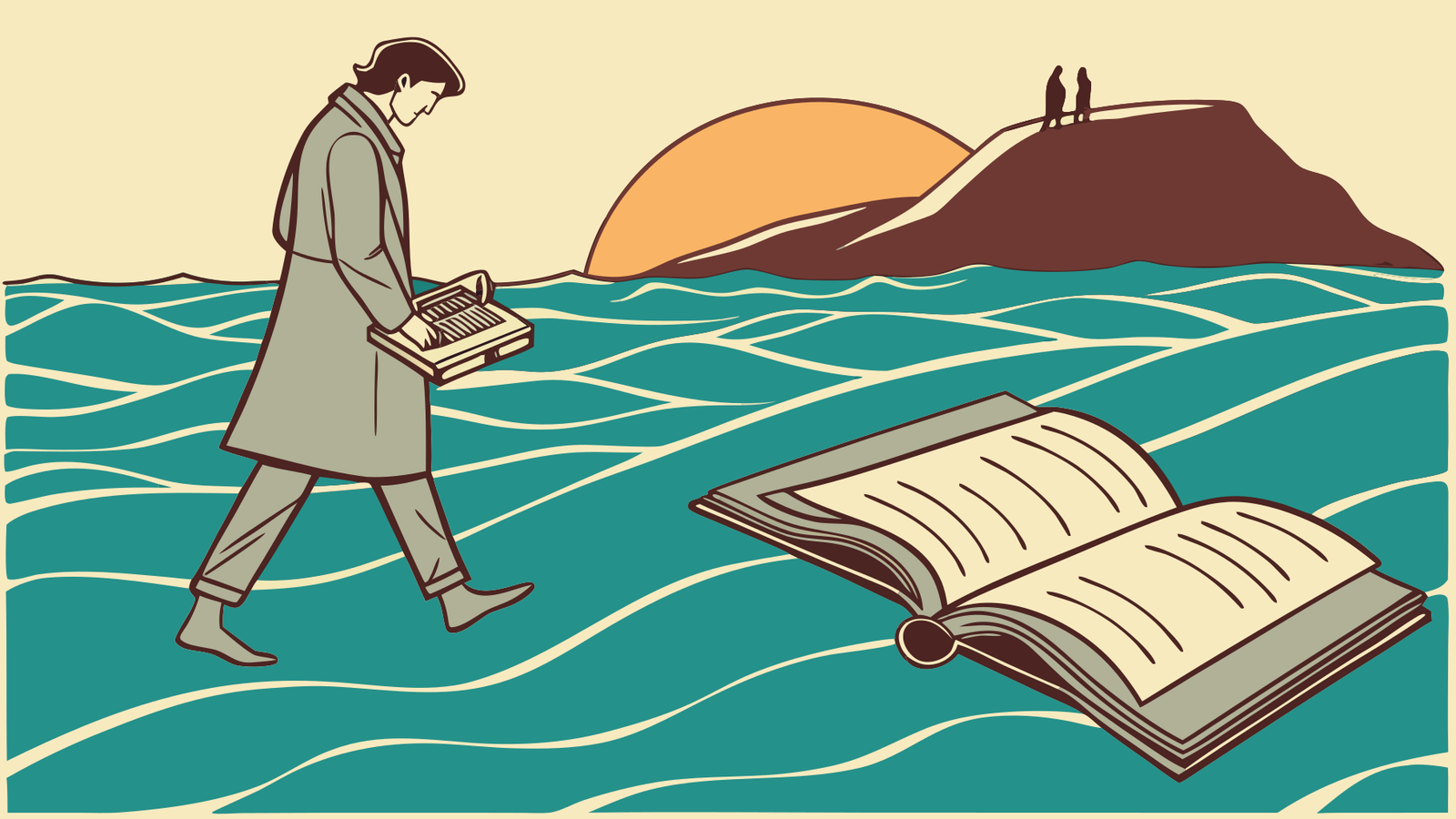
For me, life has no given meaning. We search for meaning in a world that does not offer it. This tension between our need for meaning and the world’s indifference is what I call the absurd. It is not a reason to despair. My essay on Sisyphus shows that even when the gods condemn a man to useless labour, the man’s refusal to surrender makes the act meaningful. I wrote:
“I looked up at the mass of signs and stars in the night sky, and laid myself open for the first time to the benign indifference of the world.”
In simple words: accept the fact that life may have no grand meaning, and still live fully and honestly.
🎭 Early career: theatre, journalism and politics
I studied philosophy at the University of Algiers but tuberculosis made a long academic life impossible. I tried many jobs: meteorologist, police clerk, salesman. Theatre became my first medium as a writer. I wanted to bring theatre to workers and the poor. Later, journalism suited me because of the daily pressure and direct contact with real lives. I wrote about the poor in remote regions of Algeria and the failures of French policy. That reporting made me more widely known and also got me into trouble with the authorities.
📖 Key books and essays
My work moves between fiction and essays. I wrote about the absurd, revolt, and human dignity.
- The Stranger — A novel about a man who faces life and death with a calm that unsettled readers. Critics noted that the victim in the book is an unnamed Arab whose point of view is not shown.
- The Myth of Sisyphus — An essay that uses the myth to explore the absurd and to argue that revolt and acceptance are the only honest responses.
- The Plague — A story about a city under a deadly disease that became a metaphor for resistance and human solidarity in dark times.
- The Rebel — A long essay on revolt and revolution arguing that the ends do not justify inhumane means. That book split me from some friends on the left.
❤️ Personal life and contradictions
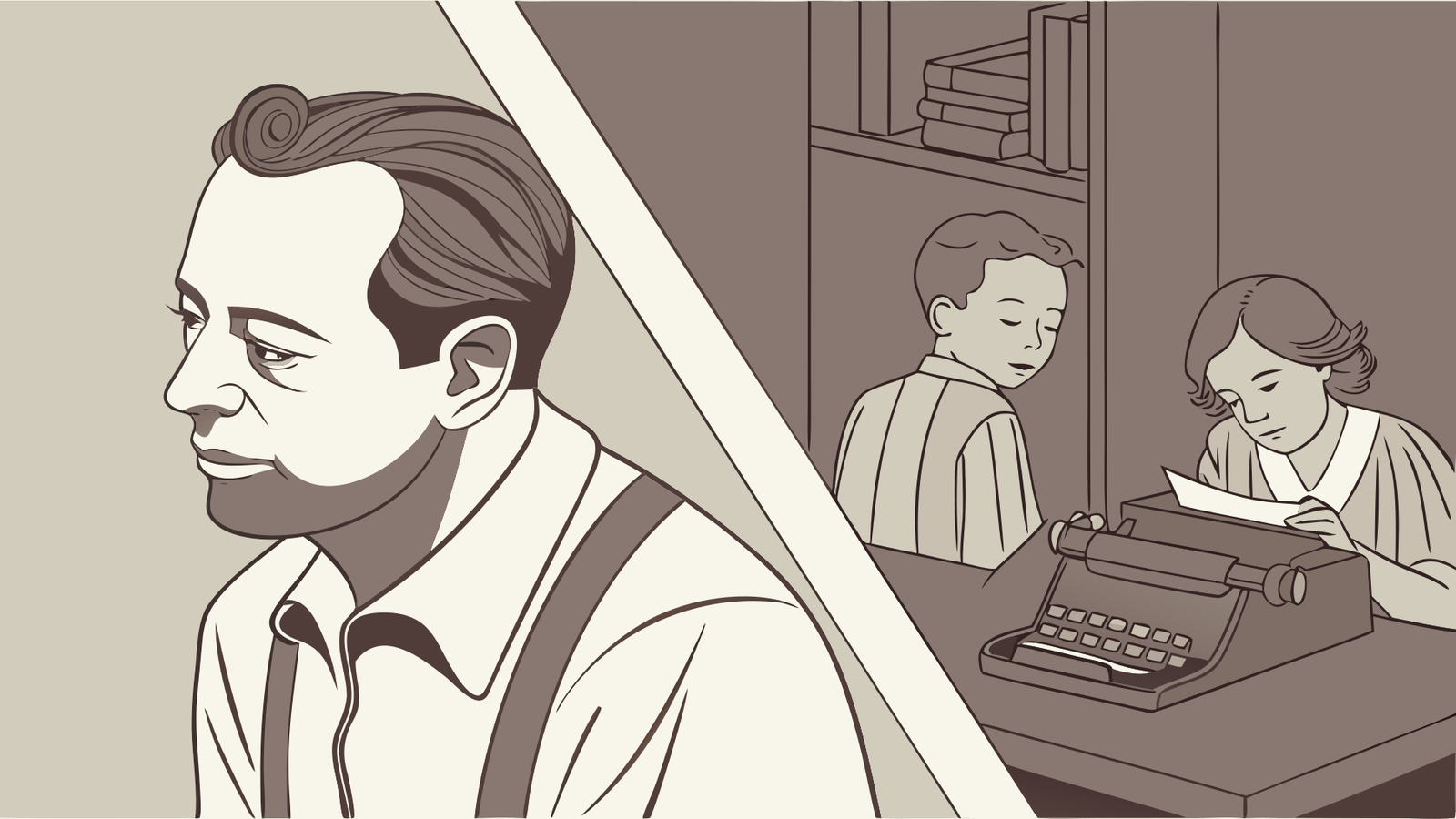
My personal life was complicated. I married young to Simone Hié, but the marriage failed. Later I married Francine in 1940. We had twins, Jean and Catherine, in 1945. I loved my children deeply, but I also sought freedom in love and had many affairs. These choices caused pain to Francine and to others. I often wrote about freedom, but my personal life was full of contradictions between desire and responsibility.
⚔️ War, resistance and public life
During the Second World War, I could not join the army because of my illness. Instead, I fought with words. I worked with the underground newspaper Combat and opposed collaboration with the Nazis. I was part of the intellectual life of occupied Paris and I worked with friends like Jean-Paul Sartre, though we later fell out over politics. I believed that in the face of darkness the radical act is to keep hope and act for human dignity.
🌍 Algeria, politics and the tightrope I walked
After the war, Algeria moved toward independence. I tried to be neutral and to protect civilians. I hoped for a solution that respected human rights and the rule of law. That position pleased neither the French settlers nor the nationalists. I was accused of favouring my own class and of betraying ideals. I wrote:
“People are now planting bombs in the tramways of Algiers. My mother might be on one of those tramways. If that is justice, then I prefer my mother.”
My stance made me unpopular with many. I tried to stop violence and find a humane path. In the end, I did not find the solution I hoped for.
🏆 The Nobel Prize and later years
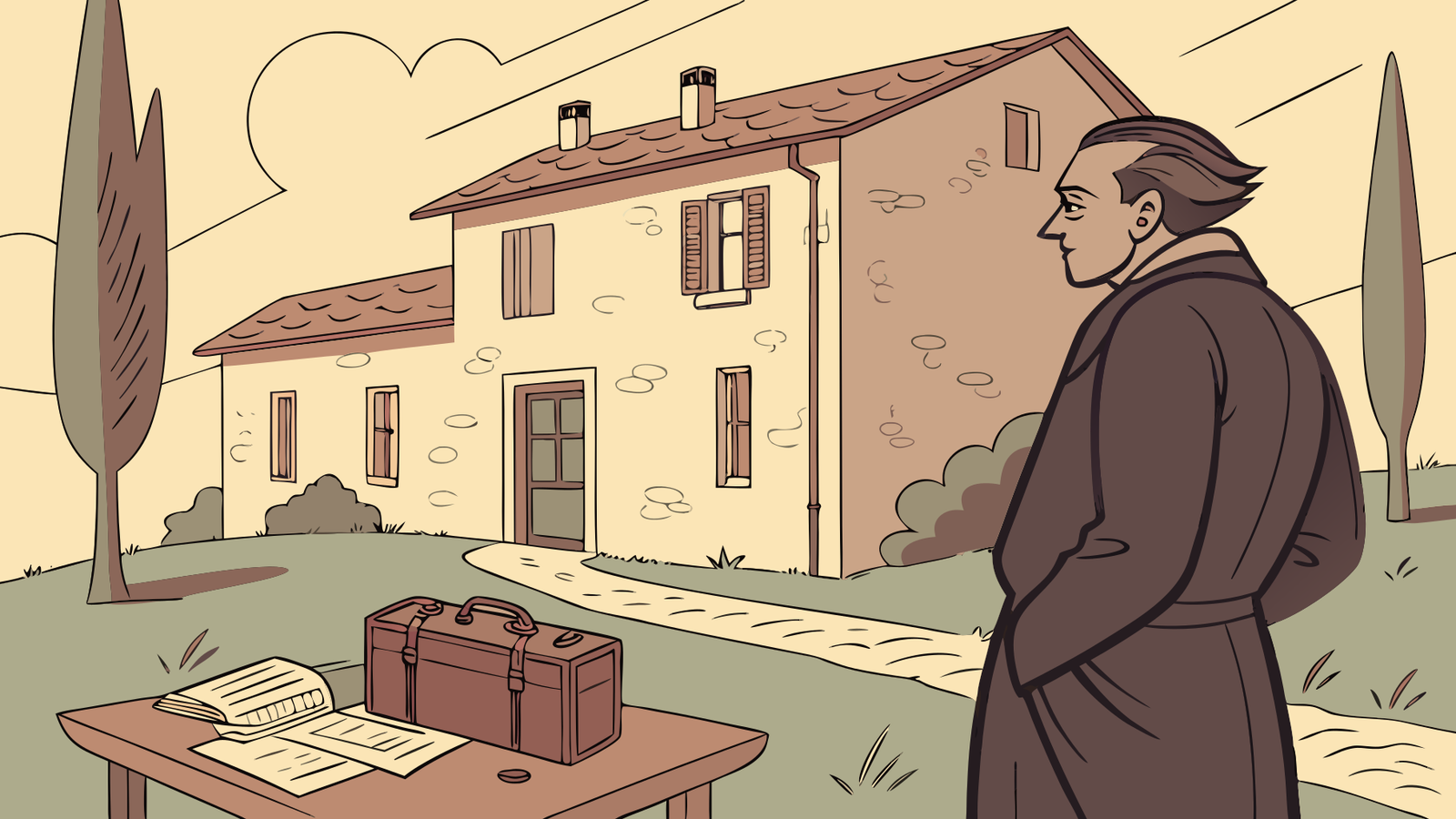
In 1957 I received the Nobel Prize for Literature at 44. It brought money and a house in Lourmarin in Provence. That house reminded me of Algiers and its light. The prize also filled me with fear that my best work was behind me. I continued to write, to travel, and to struggle with public life and private responsibilities.
🚗 Death and the unfinished book
In January 1960, I died in a car crash at 46. I had a strong fear of travelling by car and often preferred the train. When police found my body, they discovered an unfinished manuscript in my briefcase. That work, The First Man, was later published by my daughter Catherine. My death felt absurd to many because I had written so much about fate and chance.
📜 Legacy and why my work still matters
My writing asks simple but hard questions: How do we live in a world that offers no clear meaning? How do we remain human under pressure? I argued that the only honest response to the absurd is revolt, in the sense of refusing false comforts and acting with compassion. I wanted people to keep their dignity, to resist injustice, and to love beauty even amid suffering.
❓ Frequently asked questions
Who was Albert Camus?
What does absurdism mean?
Was I an existentialist?
How did Algeria influence my writing?
How did I die and what was left unfinished?
Why should people read my work today?