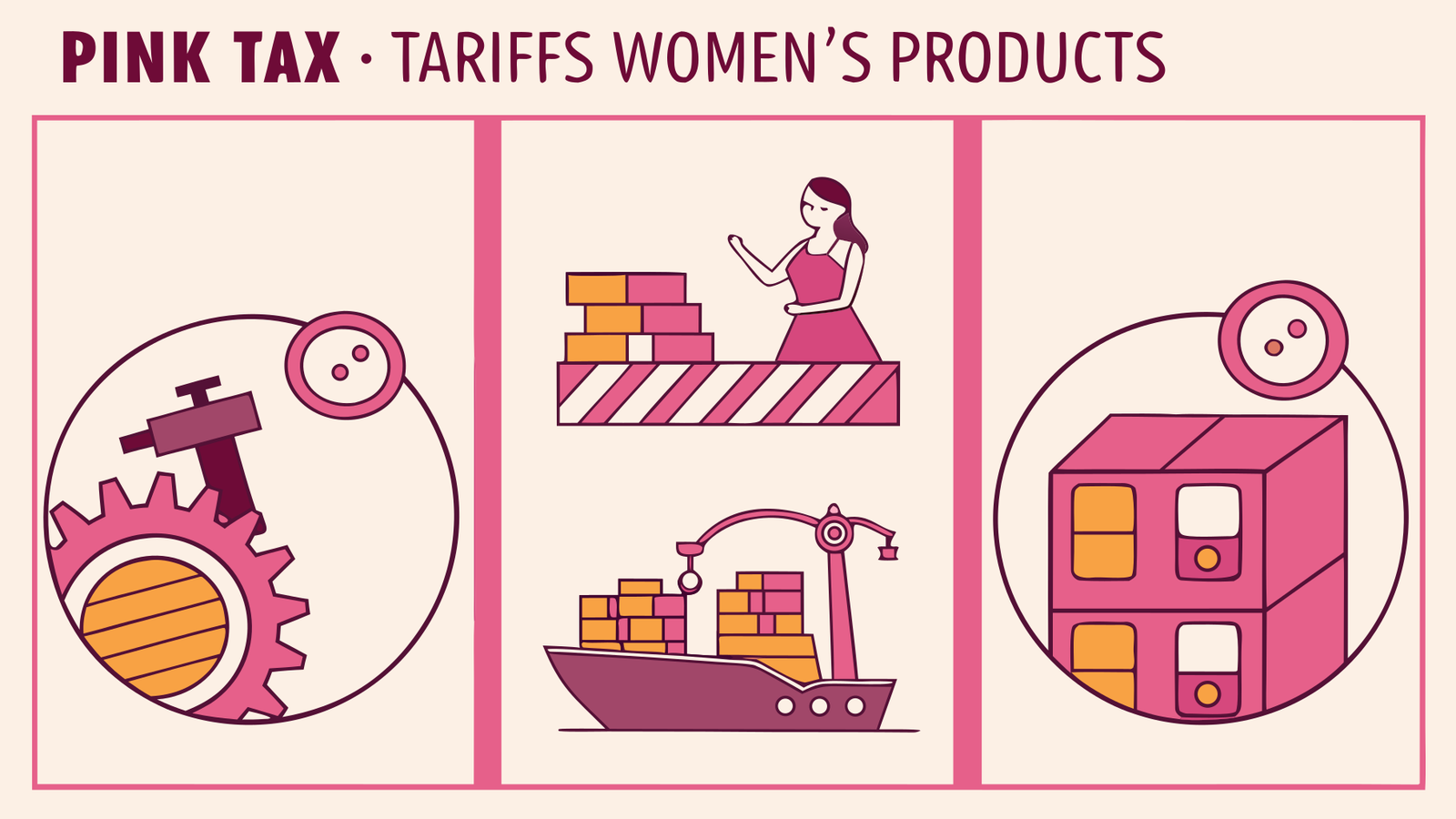
I’ve been thinking a lot about how everyday essentials like tampons, bras, razors, and cosmetics often cost more for women than similar items aimed at men. It is not just a cosmetic problem; it is baked into advertising, retail markups, and trade rules. I talked with Prachi Agarwal, a research fellow at the International Economic Development Group at ODI Global, to understand how tariffs and taxes amplify what we call the pink tax — and why the consequences ripple from consumers to factory workers in the global south.
Table of Contents
- What is the pink tax and what makes a pink tariff different? 🧐
- How marketing and retail practices push women to spend more 💄
- How tariffs translate into higher prices and fewer jobs 🏭
- Key statistics and country examples 🌍
- Donald Trump’s tariffs and gendered impacts 🔁
- Can governments fix this? Policy options and real-world challenges ✅
- Simple consumer strategies and collective action 🙋♀️
- Why this matters for women in the global south ⚖️
- FAQ ❓
What is the pink tax and what makes a pink tariff different? 🧐
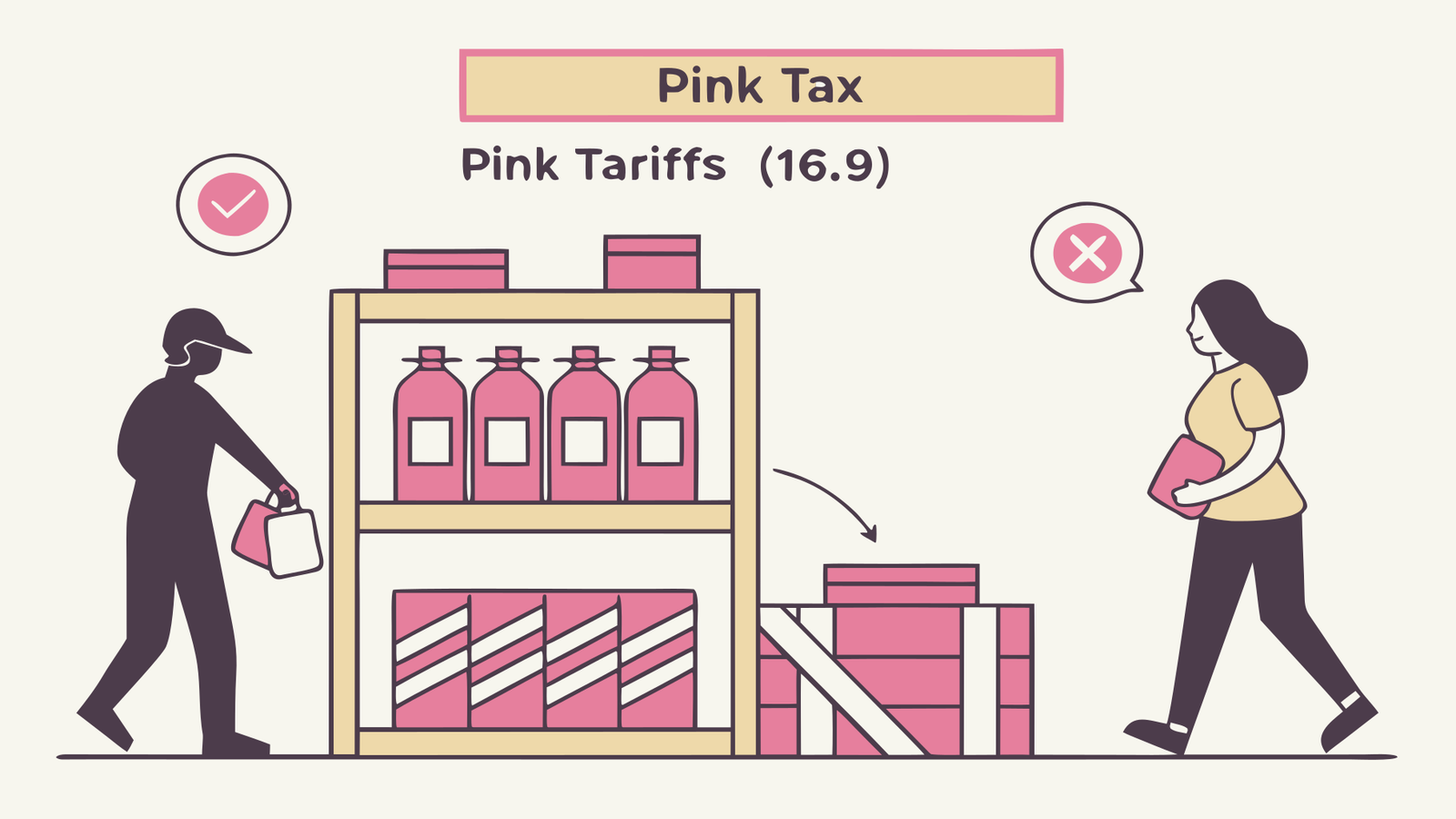
Pink tax is an umbrella term for the extra costs women pay for goods and services. It includes national taxes like VAT, discriminatory retail pricing and tariffs applied to goods traded across borders. A pink tariff is specifically a trade policy issue — extra customs charges on imports of items that are predominantly purchased by women.
“Pink taxes would essentially include all tariffs as well,” Prachi told me. “Pink tariffs specifically are for trade policy. So these are applied on goods that are traded across borders.”
How marketing and retail practices push women to spend more 💄
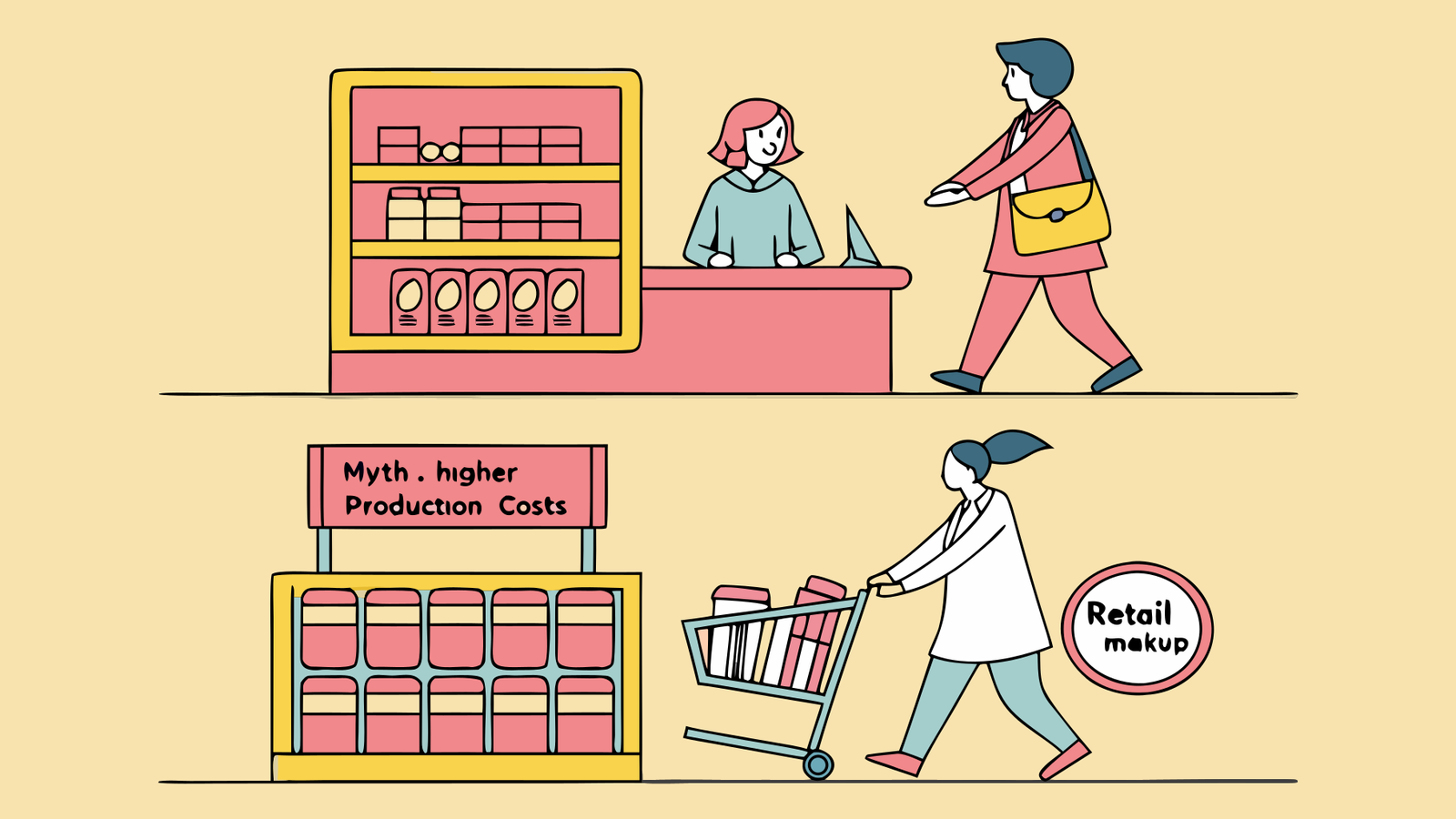
Advertising and product design play a major role. As Prachi explained, marketing aimed at women often sells the idea that we need more products to be attractive or acceptable. That feeds higher consumption, and retailers exploit this by charging higher prices for women’s versions of similar goods.
- Retailers sometimes claim women’s garments cost more to produce. Prachi calls this a myth: some items need more tailoring, some need frills, but overall production costs do not justify the consistent price gap.
- When governments cut taxes on an item and retailers keep prices the same, the intended benefit never reaches consumers. Prachi pointed to cases where VAT cuts were absorbed into higher markups.
How tariffs translate into higher prices and fewer jobs 🏭
Tariffs operate at the border: importers pay a tax to bring goods into a country. When tariffs rise, final retail prices usually rise too. That is the demand-side effect. But there is also a supply-side reaction.
Exporters in manufacturing countries want to remain competitive, so they try to lower production or export costs to meet previous market prices. Those cost cuts typically come from the low-paid, low-skill workers who make clothing and personal care products — many of whom are women. This can mean wage pressure, job cuts or worse working conditions.
“Once tariffs go up … exporters want to sell at the old price. They will try to lower selling costs, and that lower cost often comes from the women employed in low-paid manufacturing jobs,” Prachi said.
Key statistics and country examples 🌍
- Research shows the US tariff system taxed women’s clothing higher than men’s, costing women more than $2 billion a year.
- In some countries women pay 7 to 13 percent more for clothing in India and 13 to 19 percent more for personal products in South Africa compared with comparable male items.
- Gender pay gaps vary: Prachi noted figures like women earning about 77 cents to a dollar in some global averages, and about 90 cents to a dollar in US estimates, underscoring that women often earn less while paying more.
- VAT on menstrual products differs widely across Europe: Hungary has one of the highest rates at 27 percent, while Ireland, Cyprus and Malta charge no VAT on tampons. Germany reduced VAT from 17 percent to 7 percent in 2020 after classifying menstrual products as necessities. The UK removed its tampon tax in 2021.
- Policy changes are not always permanent: Tanzania removed the tampon tax and later reinstated VAT when retailers did not lower prices for consumers.
Donald Trump’s tariffs and gendered impacts 🔁
When the United States announced reciprocal tariffs in 2018 and 2019, Prachi and colleagues tested whether those measures were gender biased. They found the tariff structure was already slanted against women’s goods, and the new tariffs would have hit apparel-exporting countries in the global south particularly hard. Countries like Cambodia, Myanmar, Sri Lanka and Lesotho, which rely heavily on apparel exports, would become less competitive and see prices rise for women’s goods.
Can governments fix this? Policy options and real-world challenges ✅
Yes, governments can act — and it would not necessarily cost them much revenue. Prachi explains that the share of women’s goods in total imports tends to be low, so removing discriminatory tariffs would not be a huge fiscal hit. A government could align tariffs for women’s and men’s clothing or eliminate pink tariffs altogether.
Still, there are implementation problems:
- When VAT or tariff cuts are announced, retailers sometimes keep prices unchanged and pocket the difference. Consumers see no benefit.
- Some governments can enforce pass-through with mechanisms like maximum retail prices, but most do not have such rules.
- Policy change needs evidence. Prachi says more gender-disaggregated trade research is essential to push policymakers to act.
Simple consumer strategies and collective action 🙋♀️
You do not have to wait for government action to save money. Prachi and I both suggested practical steps people already use:
- Buy the cheaper, functionally identical alternative — for example, men’s razors are often cheaper and work just as well as pink versions.
- Vote with your wallet and buy brands that price fairly across gendered products.
- Make noise: share information, push for transparency on prices and support campaigns that target tampon taxes and discriminatory tariffs.
Why this matters for women in the global south ⚖️
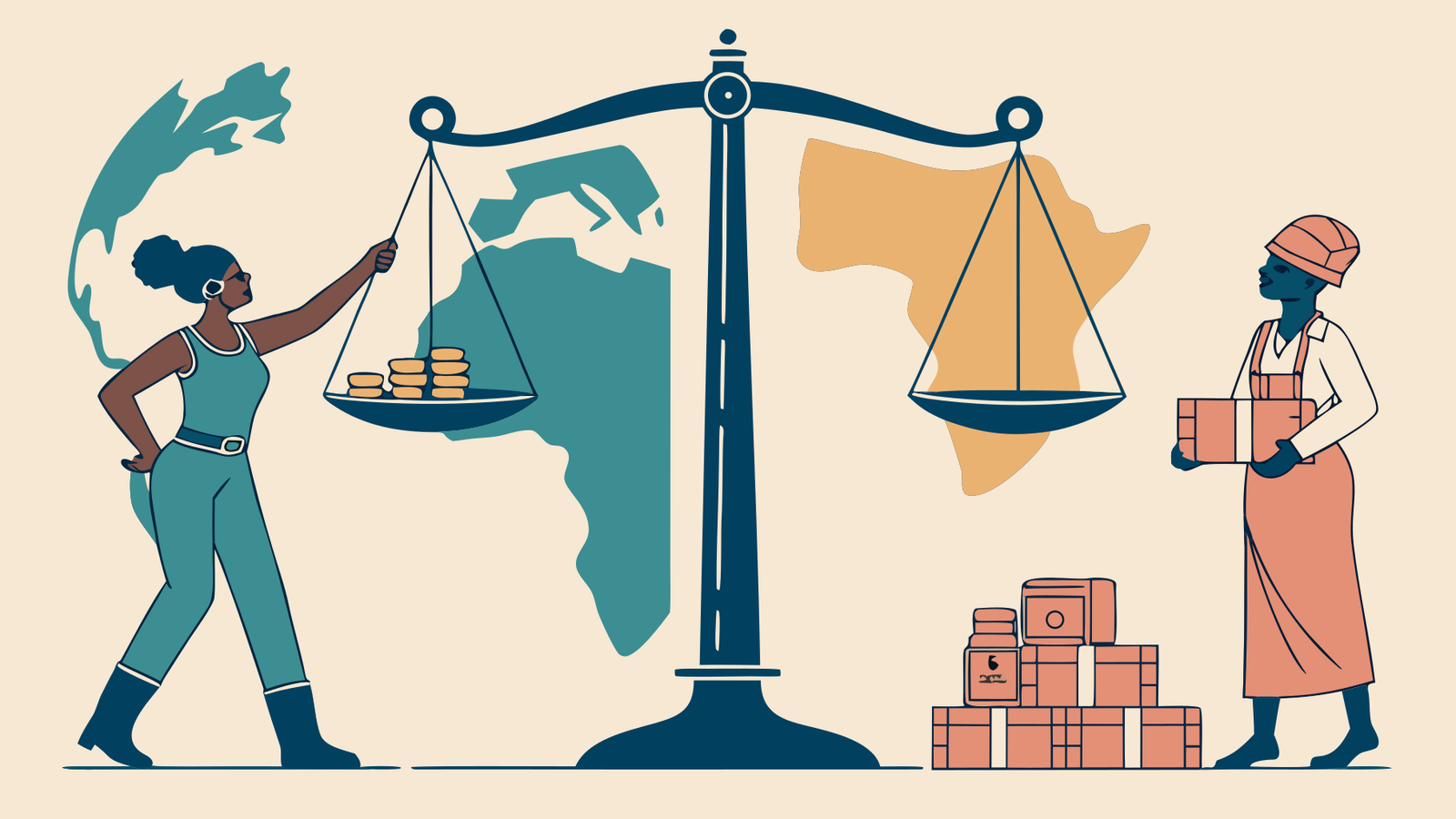
It is easy to think of the pink tax as a first-world shopping nuisance. But tariffs and trade policy connect supermarket shelves to factory floors. When import taxes rise in consumer countries, exporters in manufacturing hubs must squeeze costs. Those cost cuts often fall on women who make clothes and personal products, worsening job security, pay and working conditions. That is why trade policy is a gender issue, not only a fiscal or economic one.
Final thoughts
Eliminating gender bias in taxes and tariffs is both practical and fair. Governments can make tariffs gender neutral with limited revenue loss, and citizens can push for better policy and smarter shopping. The first step is visibility: understanding how price-setting at every level — advertising, retail, taxation and trade — adds up to deepen inequality. Once we see the chain, we can start to change it.